
Buying a home with a flat roof can be a smart decision, but it requires careful consideration of drainage systems and maintenance requirements. Flat roofs are common in Toronto’s urban landscape, particularly in modern and mid-century homes, but they present unique challenges compared to traditional sloped roofs. The key to a successful flat roof home purchase lies in understanding the drainage infrastructure, identifying potential water management issues, and knowing what maintenance the roof will need. In Toronto’s climate—with heavy rainfall, snow accumulation, and freeze-thaw cycles—proper drainage isn’t optional; it’s essential for protecting your investment.
Understanding Flat Roofs in Toronto’s Urban Landscape
Flat roofs are a distinctive feature of many Toronto homes, especially in neighborhoods with modern architecture or converted commercial buildings. Despite the name, these roofs aren’t completely flat—they’re designed with a slight slope (typically 1-10 degrees) to direct water toward drainage points.
Toronto homeowners choose flat roofs for several reasons:
- Architectural style: Modern, minimalist, and mid-century designs often feature flat roofing
- Urban space efficiency: Flat roofs can provide usable outdoor space in dense neighborhoods
- Cost-effective construction: Initial installation costs can be lower than complex pitched roof systems
- HVAC accessibility: Easier placement and maintenance of heating and cooling equipment
However, the same climate that makes Toronto homes energy-intensive—cold winters, wet springs, and humid summers—also creates specific challenges for flat roofing systems that potential buyers must understand.
The Drainage Factor: Your Biggest Consideration
When evaluating a flat roof home, drainage should be your primary concern. Unlike sloped roofs where gravity naturally moves water to eavestroughs and downspouts, flat roofs rely on precisely engineered drainage systems to prevent water accumulation.
How Flat Roof Drainage Works
Flat roofs typically use one of three drainage methods:
Interior Drains: These drains are positioned at low points on the roof surface and connect to pipes that run through the building’s interior. They’re efficient but require proper maintenance to prevent clogs, especially during Toronto’s heavy leaf-fall seasons.
Scuppers: These are openings in the parapet walls that allow water to flow to exterior downspouts. They’re visible and easier to maintain but must be sized correctly for Toronto’s rainfall intensity.
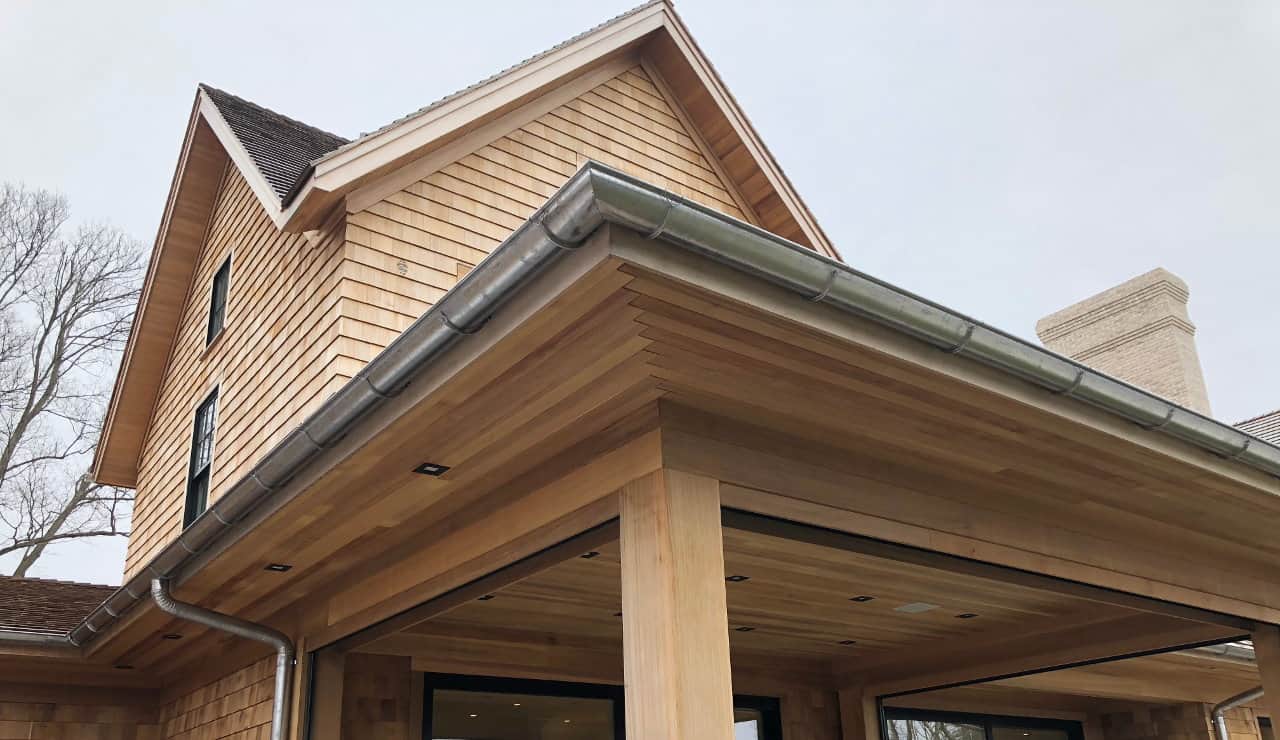
Gutters and Downspouts: Some flat roofs include perimeter eavestrough systems similar to pitched roofs. These require the same maintenance as traditional gutter systems but bear the additional burden of managing potentially larger water volumes.
Why Drainage Failures Happen
The GTA’s climate creates perfect conditions for flat roof drainage problems:
- Ponding water: After heavy rainstorms, water may pool in low spots, accelerating roof membrane deterioration
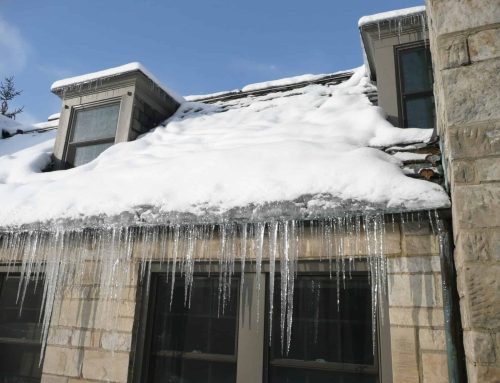
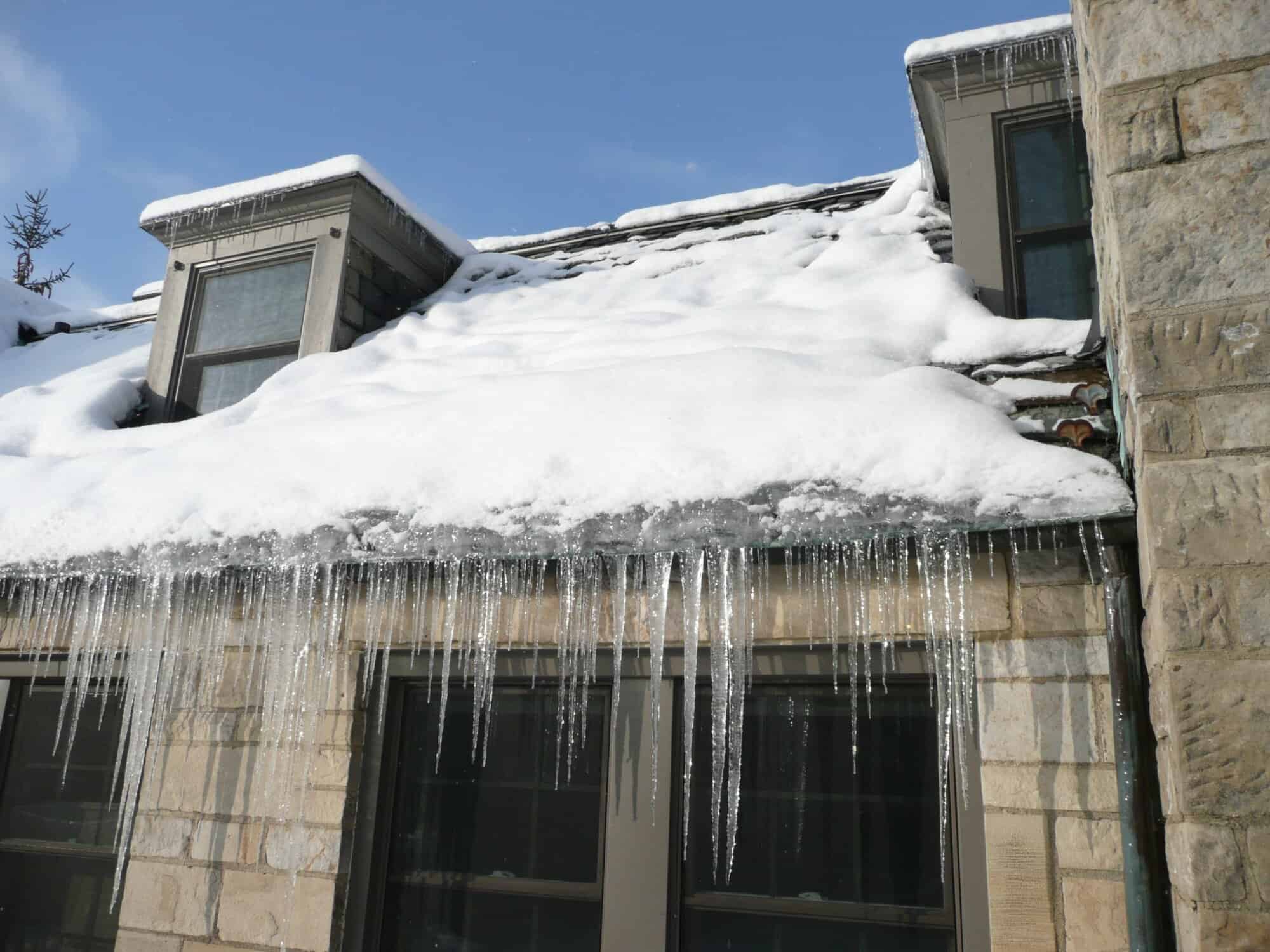
- Ice damming: Winter freeze-thaw cycles can cause ice to block drains and scuppers
- Debris accumulation: Leaves and organic matter from Toronto’s urban tree canopy can clog drainage points
- Downspout disconnection: If water isn’t carried far enough from the foundation, it can cause basement leaks and foundation damage
A flat roof with compromised drainage doesn’t just risk roof damage—it threatens your entire home’s structural integrity through water infiltration, foundation undermining, and basement flooding.
Structural & Maintenance Considerations Beyond Drainage
Roof Membrane Lifespan
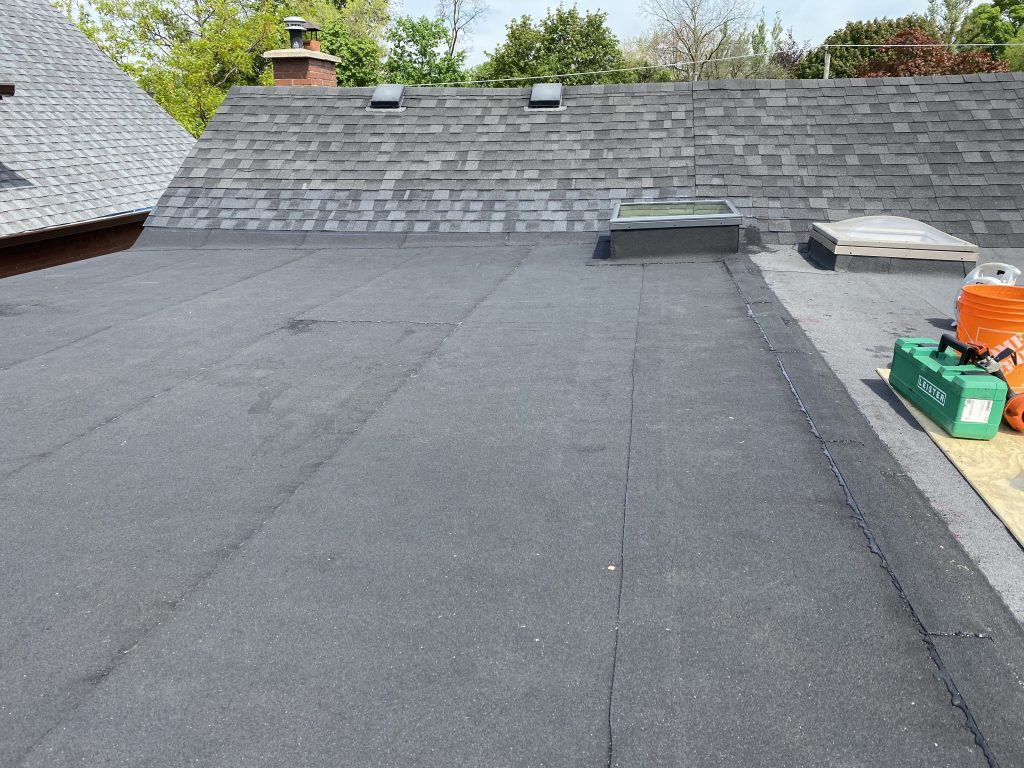
Flat roofs use waterproof membranes rather than shingles. Common types in Toronto homes include:
- EPDM (rubber): 20-25 year lifespan with proper maintenance
- TPO or PVC: 15-20 years, increasingly popular in modern construction
- Modified bitumen: 20-25 years, common in older Toronto homes
- Built-up roofing (tar and gravel): 15-30 years, found in many vintage Toronto properties
Ask for documentation about the roof membrane type, installation date, and maintenance history. A 15-year-old roof approaching the end of its lifespan represents a significant near-term expense.
Snow Load and Toronto Winters
Toronto’s building code requires flat roofs to handle substantial snow loads, but older homes may not meet current standards. Heavy, wet snow characteristic of GTA winters can:
- Overwhelm drainage systems during spring melts
- Stress roof structures not designed for modern code requirements
- Create ice dams at drainage points
- Hide existing roof damage until the spring thaw reveals leaks
Accessibility and Inspection Challenges
Unlike pitched roofs that can be partially inspected from the ground, flat roofs require direct access for thorough evaluation. This means:
- Professional inspections are essential—you can’t assess the roof from your driveway
- Regular maintenance requires safe access, which may mean hiring professionals
- Hidden problems like membrane degradation or drainage slope issues won’t be visible until you’re on the roof surface
What to Inspect Before Buying a Flat Roof Home
If you’re considering a flat roof home in Toronto, arrange for a comprehensive inspection that specifically evaluates:
Drainage System Integrity
- Active drainage flow: Have the inspector test drainage during wet weather if possible
- Scupper and drain conditions: Check for rust, clogs, or improper sizing
- Downspout connections: Ensure downspouts carry water at least 6 feet from the foundation
- Slope verification: Confirm the roof has adequate pitch toward drainage points
- Ponding water evidence: Look for water stains, algae growth, or membrane deterioration in low spots
Roof Surface Condition
- Membrane integrity: Bubbles, cracks, or peeling indicate approaching replacement
- Flashing condition: Check where the roof meets walls, vents, and chimneys
- Parapet walls: Examine the condition of perimeter walls and their waterproofing
- Previous repairs: Multiple patches may signal systemic problems
Interior Warning Signs
Walk through the home’s interior looking for:
- Water stains on top-floor ceilings
- Musty odors suggesting chronic moisture problems
- Recent ceiling repairs that might hide ongoing issues
- Basement dampness potentially linked to poor roof drainage
Documentation Review
Request from the seller:
- Roof installation or replacement records
- Regular maintenance logs
- Warranty information for the roofing membrane
- Any previous inspection reports
- Records of drainage system cleaning or repairs
Making the Right Decision: Long-Term Ownership Costs
Buying a flat roof home isn’t inherently risky, but it does require realistic expectations about ongoing costs and maintenance.
Annual Maintenance Requirements
Budget for professional inspections and maintenance at least twice yearly:
- Spring inspection: After winter damage assessment, drainage system clearing
- Fall preparation: Pre-winter drainage cleaning, debris removal, flashing check
Toronto’s seasonal extremes make this maintenance non-negotiable. Skipping annual maintenance on a flat roof is significantly riskier than on a pitched roof system.
Long-Term Financial Planning
Consider these costs over your ownership timeline:
- Membrane replacement: $12,500-$30,000 + depending on roof size and material
- Drainage system repairs: $1,000-$5,000 + depending on size and material for significant work
- Emergency repairs: Flat roof leaks often require immediate professional response
- Higher insurance: Some insurers charge more for flat roof homes or have coverage limitations
The Expertise Factor
Flat roofs require contractors with specific expertise. Not all roofing companies in Toronto have equal experience with flat roof systems and their unique drainage requirements. Working with a drainage-focused contractor who understands how roof water management connects to foundation protection and basement leak prevention ensures you’re addressing the complete water management system, not just the roof surface.
When a Flat Roof Home Makes Sense
Despite the considerations above, flat roof homes can be excellent purchases for the right buyer:
- You’re comfortable with proactive maintenance schedules
- The home has well-documented roof maintenance history
- Recent roof replacement means you won’t face immediate major costs
- You value the architectural style and potential for rooftop space
- The drainage system has been professionally designed and maintained
- You’re willing to invest in quality contractors for ongoing care
Get Professional Guidance Before You Buy
If you’re considering a flat roof home in the Greater Toronto Area, don’t rely solely on a general home inspection. The unique drainage challenges of flat roofs in Toronto’s climate require specialized knowledge.
Before making your purchase decision, consult with contractors who specialize in residential drainage systems and understand how roof water management, eavestrough function, and foundation protection work together. A drainage-focused assessment can reveal issues a general inspector might miss and give you accurate estimates for any necessary repairs or improvements.
At Ontario Downspout Service, we’ve helped countless Toronto homeowners understand the drainage implications of flat roof systems through pre-purchase inspections and ongoing maintenance. Our experience with residential water management means we can identify not just roof problems, but how those problems might affect your foundation, basement, and long-term home integrity.
Considering a home with a flat roof? Contact us for a professional drainage assessment that goes beyond the roof surface to evaluate your complete exterior water management system. We’ll give you the clear, honest information you need to make a confident buying decision.
Ontario Downspout Service is a licensed, insured, and award-winning residential drainage specialist serving Toronto and the GTA. With over 10 Best of Homestars awards and decades of experience, we help homeowners protect their most important investment through expert eavestrough, downspout, and drainage solutions.