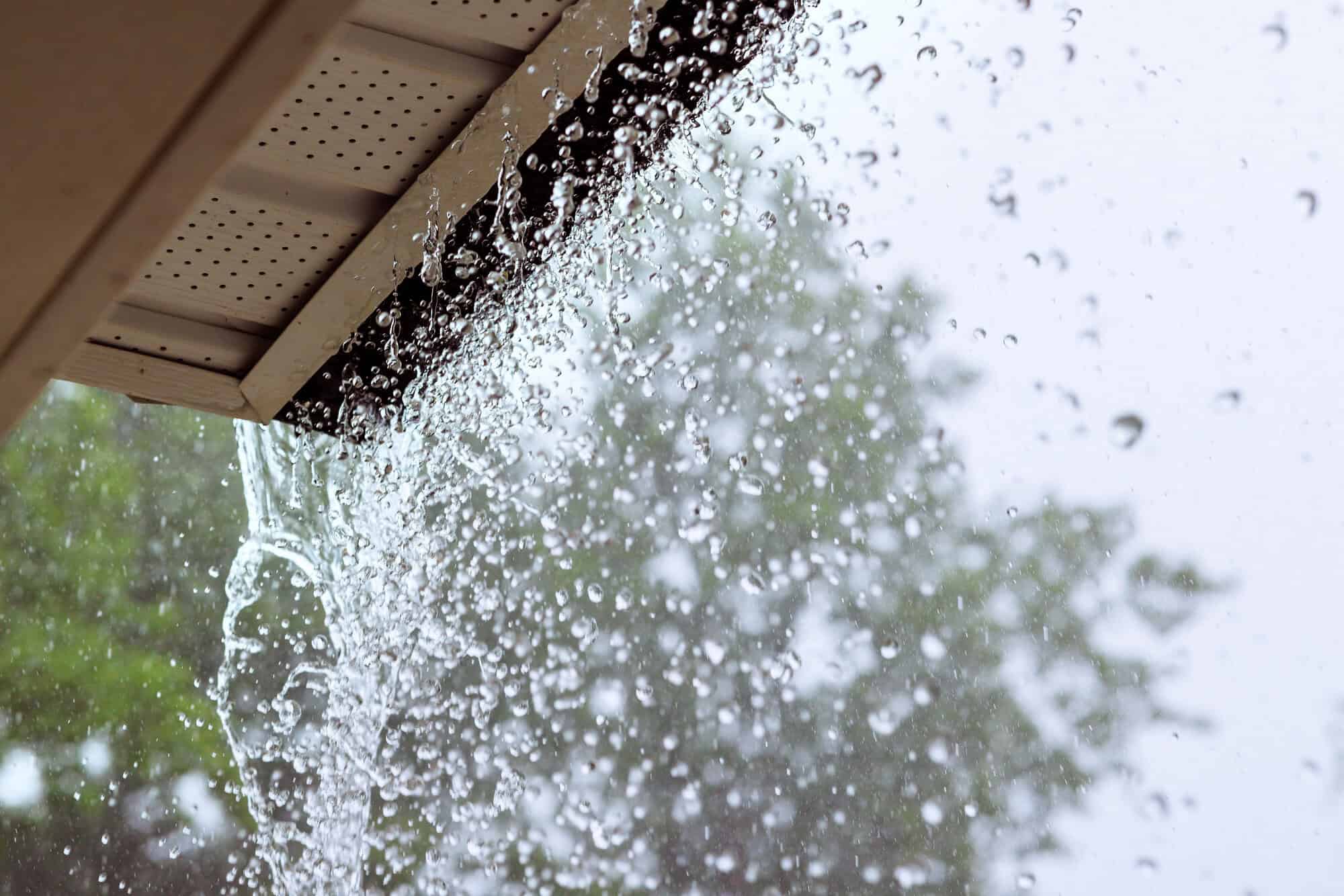
No, properly functioning gutters should not overflow during heavy rain—consistent overflow indicates a problem with your eavestrough system that needs immediate attention. While exceptionally brief overflow during the most extreme storm events might occur even with well-maintained systems, regular or sustained overflow points to clogged gutters, undersized capacity, or installation problems. For Toronto homeowners, eavestrough overflow isn’t just a nuisance—it’s a warning sign that thousands of gallons of roof water are cascading directly onto your foundation instead of being safely directed away from your home. This concentrated water flow threatens your basement, undermines your foundation, and can cause structural damage that far exceeds the cost of addressing the underlying drainage problem. Understanding what’s normal versus what requires intervention helps you protect your home before minor overflow issues become major repair expenses.
What Causes Gutters to Overflow During Heavy Rain
Eavestrough overflow happens when water volume entering the system exceeds its capacity to transport and discharge that water through downspouts. Several factors create this imbalance.
Blockages and Debris Accumulation
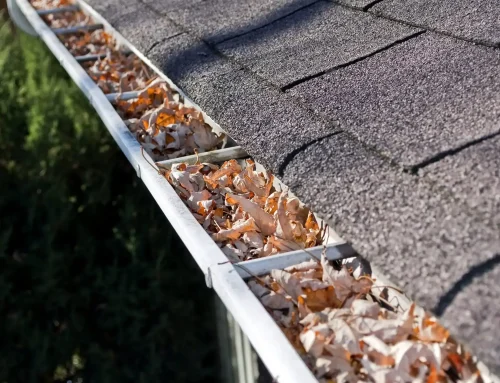
The most common cause of gutter overflow is simple blockage:
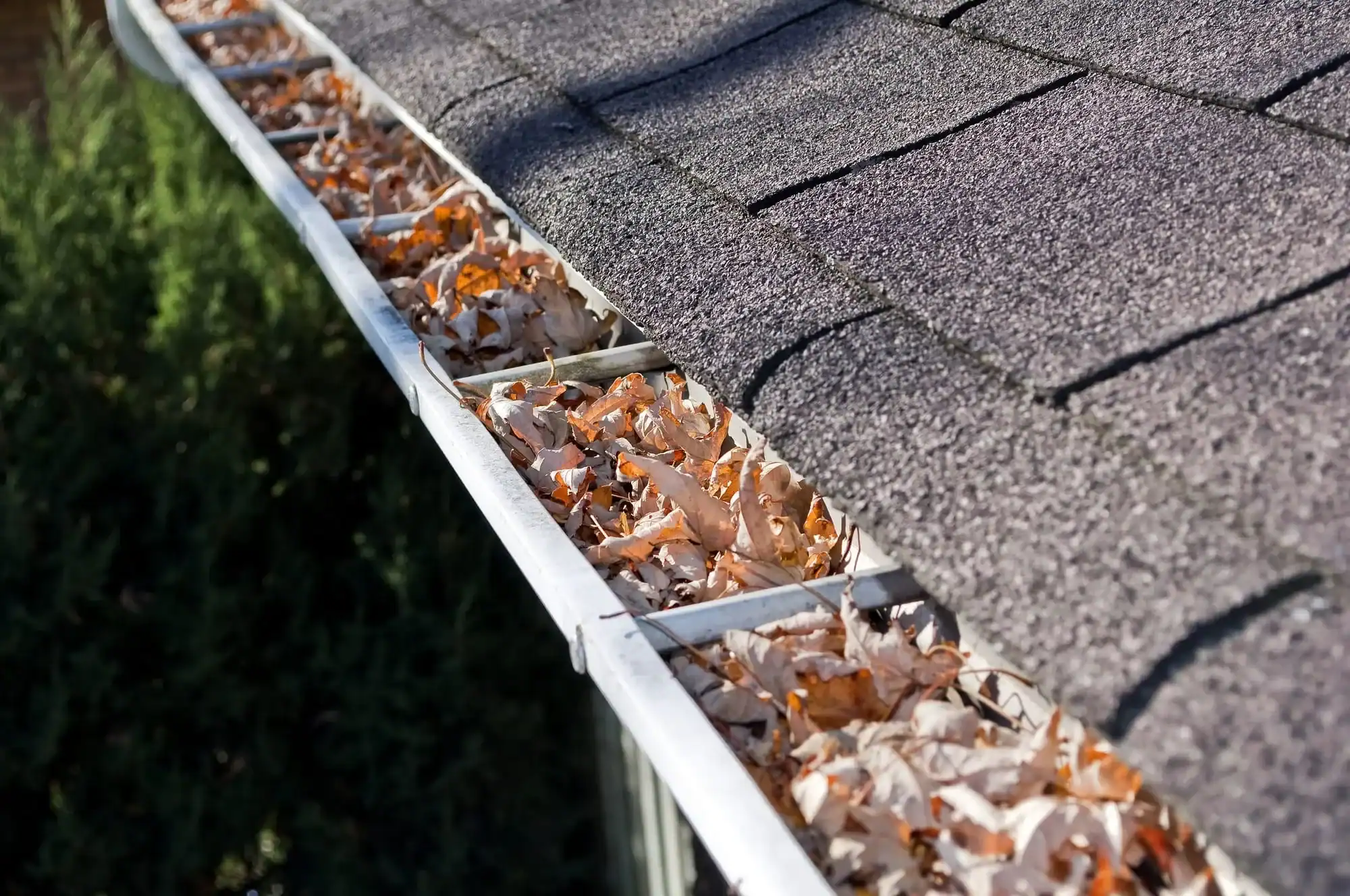
Leaf and organic debris: Toronto’s mature tree canopy drops massive quantities of leaves, seeds, blossoms, and twigs into eavestrough systems. Even partial blockages restrict water flow, causing backup and overflow during heavy rainfall.
Shingle granules: Asphalt shingles shed protective granules over time, particularly after hailstorms or as roofs age. These granules wash into gutters and settle, gradually reducing capacity and creating dams that trap additional debris.
Nesting materials: Birds, squirrels, and other urban wildlife sometimes build nests in gutters or downspout openings, creating complete blockages that force overflow.
Seasonal accumulation: Spring brings tree seeds and blossoms. Summer delivers dust and organic matter. Autumn brings leaves. Winter creates ice blockages. Year-round debris requires regular attention.
When debris blocks gutter channels or downspout openings, water backs up behind these dams and overflows the nearest gutter edge—typically directly beside your foundation.
Undersized Gutter Capacity
Many Toronto homes have eavestrough systems that were adequate when installed but can’t handle current storm intensity:
Standard 5-inch limitations: Traditional 5-inch gutters were designed for moderate rainfall patterns. Toronto’s increasingly intense storm events—particularly summer thunderstorms delivering 30-50mm in an hour—exceed what these smaller systems can manage.
Roof area calculations: Homes with large roof areas, complex roof lines with valleys, or steep roof pitches generate concentrated water flow that overwhelms undersized gutters.
Downspout quantity: Even properly sized gutters overflow if there aren’t enough downspouts. Eavestrough runs longer than 30-40 feet often require additional downspouts to prevent capacity problems.
Downspout sizing: Standard 2×3-inch downspouts create bottlenecks. Water flows into gutters faster than small downspouts can discharge it, causing backup and overflow.
The difference between adequate and inadequate capacity isn’t subtle—during heavy rain, undersized systems overflow extensively while properly sized systems continue functioning.
Installation and Pitch Problems
Even clean, appropriately sized gutters overflow if improperly installed:
Insufficient slope: Gutters require approximately 1/4 inch pitch per 10 feet toward downspouts. Without adequate slope, water pools in low spots rather than flowing to discharge points. During heavy rain, these pooled areas overflow while downspout areas remain underutilized.
Reverse pitch: Sometimes gutters sag or were installed incorrectly, creating reverse slopes that direct water away from downspouts. This guarantees overflow during any significant rainfall.
Improper mounting: Sagging sections caused by inadequate bracket spacing or loose fasteners create low spots where water accumulates and overflows.
Separated seams: Sectional gutters rely on joints that can separate over time, particularly when stressed by ice weight or debris buildup. Water escapes through separated seams rather than reaching downspouts.
Missing or Inadequate Drip Edge
Homes without proper drip edge installation experience what appears to be gutter overflow but is actually water missing the gutter entirely:
Water behind gutters: Without drip edge, water can run under shingles and down fascia boards behind gutters instead of falling into gutter channels.
Wind-driven rain: Toronto’s storms often include strong winds that drive rain at angles. Proper drip edge directs this angled rain into gutters rather than allowing it to bypass the system.
This isn’t true overflow, but it creates identical problems—water cascading down your foundation instead of flowing through your drainage system.
Understanding Normal vs. Problematic Overflow
Not all overflow situations are equal. Distinguishing between extreme event limitations and system failures helps you determine when action is necessary.
When Brief Overflow Might Be Acceptable
Extreme storm events: During the most intense thunderstorms—those delivering 40-50mm of rain in less than an hour—even well-designed systems may experience brief overflow at peak intensity. If overflow lasts only during the absolute peak of an exceptional storm and stops as rainfall moderates, your system may be functioning within design limits.
Concentrated valley discharge: Homes with complex roof geometry may experience momentary overflow where multiple roof valleys concentrate flow to a single gutter section during extreme rainfall. If this occurs only briefly during peak intensity and the system recovers as rainfall reduces, it may represent a design limitation rather than a failure.
First flush phenomena: The initial moments of heavy rainfall can carry accumulated roof debris into gutters, creating brief blockages that clear as water flow increases. Momentary overflow at storm onset that quickly resolves may not indicate a problem.
When Overflow Indicates Real Problems
Most overflow situations signal issues requiring attention:
Sustained overflow: Gutters that overflow throughout a rainstorm—not just during peak intensity—are inadequate for your home’s drainage needs.
Overflow during moderate rain: Systems that overflow during normal rainfall (10-20mm/hour) have serious capacity, blockage, or installation problems.
Specific location overflow: Water consistently overflowing from the same gutter sections indicates localized blockages, pitch problems, or inadequate downspout placement.
Overflow from multiple locations: Extensive overflow from various points suggests system-wide inadequacy—either undersized capacity or widespread blockages.
Increasing frequency: If overflow happens more often over time, it indicates progressive problems—accumulating debris, deteriorating pitch from sagging gutters, or climate-related capacity inadequacy.
For Toronto homeowners, the key question is: “Does my eavestrough system handle typical spring rains and summer thunderstorms without overflow?” If the answer is no, you have a problem that needs addressing.
The Real Cost of “Normal” Overflow
Some homeowners accept gutter overflow as normal—an inevitable part of heavy rainstorms. This acceptance can lead to expensive consequences.
Foundation and Basement Threats
Every instance of gutter overflow deposits large water volumes directly beside your foundation:
Hydrostatic pressure buildup: Saturated soil around foundations creates pressure that forces water through cracks, cove joints, and porous concrete into basements.
Progressive foundation damage: Repeated saturation cycles deteriorate concrete and mortar, widen existing cracks, and create new infiltration points.
Window well flooding: Overflow that saturates soil around basement windows causes these vulnerable foundation penetrations to fill with water, leading to leaks.
Seasonal vulnerability: Spring overflow is particularly damaging because ground is already saturated from snow melt, preventing water absorption and directing all overflow toward foundation infiltration.
Structural Damage Beyond Basements
Overflow damages more than foundations:
Fascia and soffit deterioration: Water overflowing gutters runs down fascia boards and behind soffit panels, causing wood rot that compromises eavestrough mounting surfaces and requires expensive repair.
Siding damage: Overflow stains and damages siding materials, particularly on the lower sections where concentrated water runs down exterior walls.
Landscape erosion: Concentrated overflow creates channels in soil, washes away landscaping, undermines walkways, and damages plantings adjacent to your home.
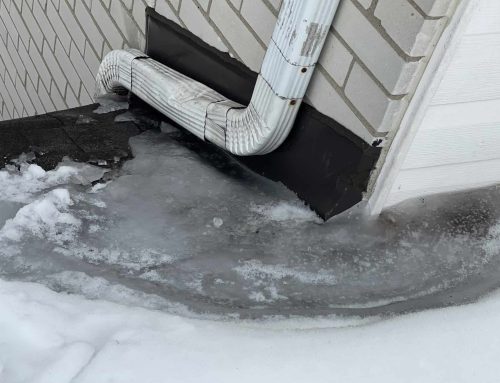
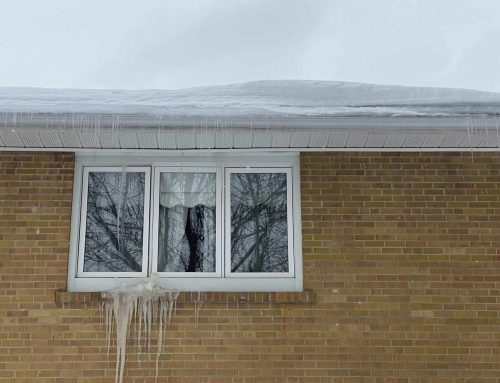
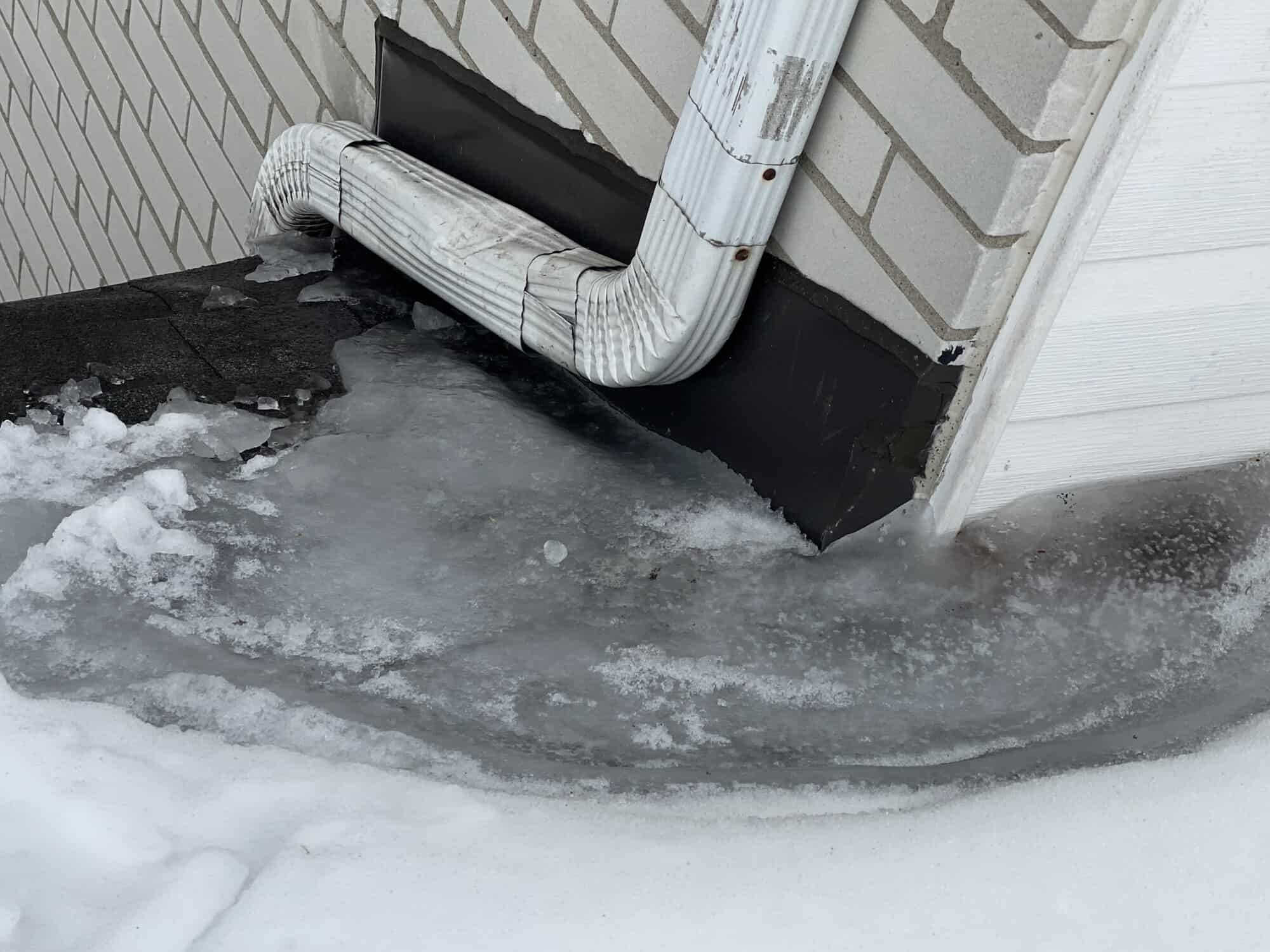
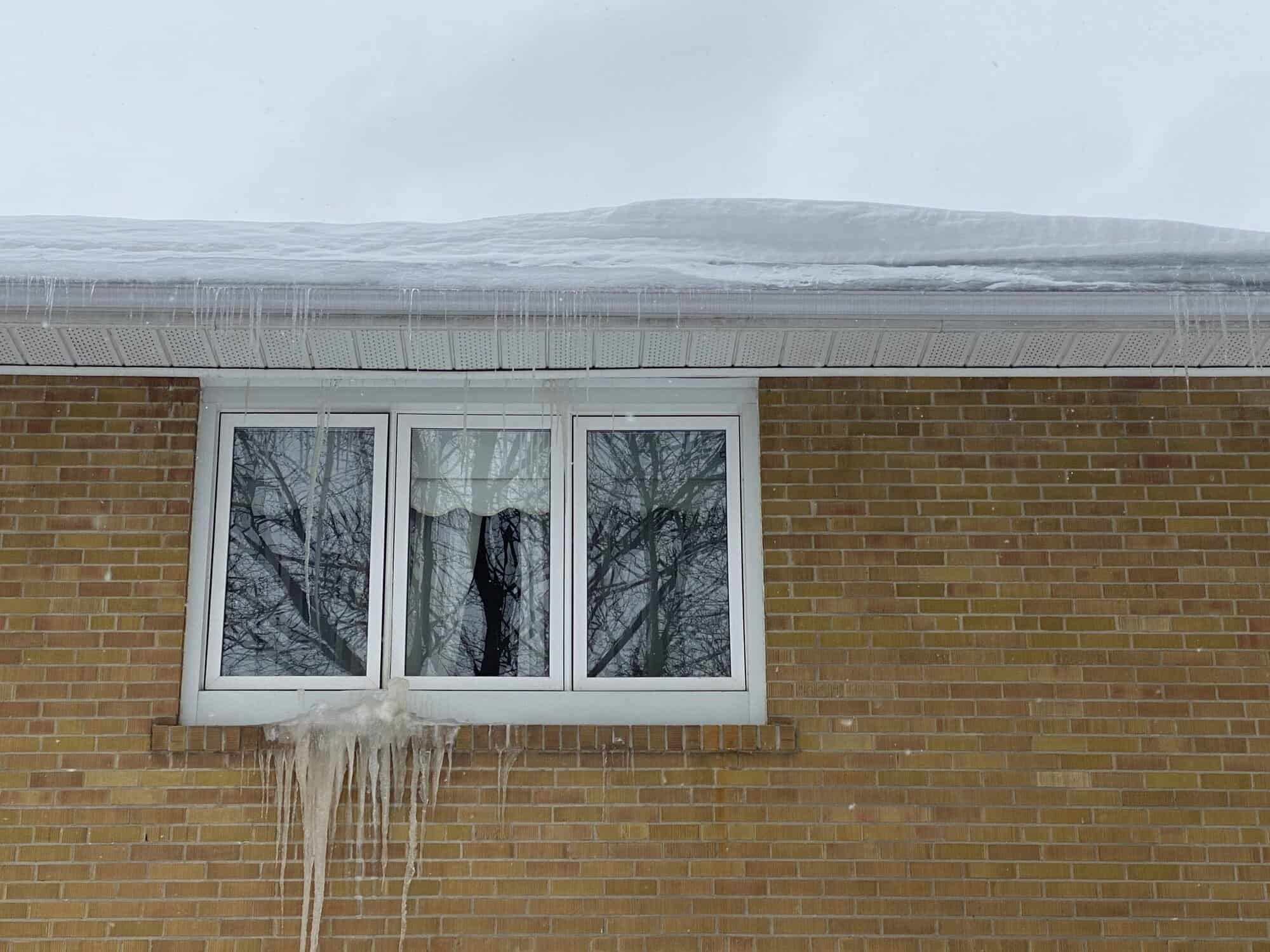
Ice dam contribution: Winter overflow that freezes creates ice buildups on roof edges and in gutters, contributing to destructive ice dams that damage both roofing and eavestrough systems.
Solutions: Preventing Gutter Overflow
Eliminating overflow requires addressing the root cause, not just accepting the symptom.
Immediate Solutions for Clogged Systems
If overflow stems from blockages:
Professional cleaning: Comprehensive eavestrough cleaning removes all debris from channels and flushes downspouts to restore full capacity. Toronto homeowners should schedule cleaning minimally twice yearly—late spring and late autumn.
Gutter guard installation: Quality gutter guard systems prevent debris accumulation while maintaining water flow. This reduces cleaning frequency and prevents the gradual blockages that cause overflow.
Downspout screening: Installing screens at downspout entrances prevents large debris from entering and blocking these critical discharge points.
Long-Term Solutions for Capacity Issues
When overflow indicates undersized systems:
Upgrade to 6-inch gutters: The single most effective overflow solution for many Toronto homes is replacing standard 5-inch gutters with 6-inch heavy-gauge aluminum systems. The approximately 40% capacity increase eliminates overflow during all but the most extreme storm events.
At Ontario Downspout Service, we exclusively install 6-inch heavy-gauge aluminum eavestroughs because we’ve seen the dramatic difference in overflow prevention. Homes that experienced chronic overflow with 5-inch systems consistently remain overflow-free after upgrading to 6-inch capacity—even during Toronto’s most intense summer thunderstorms.
Increase downspout quantity: Adding downspouts reduces the distance water must travel through eavestrough channels and decreases the volume each downspout must handle.
Upgrade downspout sizing: Installing 3×4-inch or larger downspouts (compared to standard 2×3-inch) eliminates bottlenecks that cause backup and overflow.
Optimize downspout placement: Strategic positioning of downspouts at roof valleys and long run mid-points prevents capacity overload.
Installation and Repair Solutions
For overflow caused by installation problems:
Professional pitch adjustment: Contractors can re-pitch sagging gutter sections to restore proper drainage slope toward downspouts.
Seam repair or seamless replacement: Fixing separated seams or replacing sectional gutters with seamless construction eliminates leak points.
Proper mounting reinforcement: Installing additional mounting brackets at appropriate spacing prevents future sagging.
Drip edge installation: Adding proper drip edge ensures water flows into gutters rather than behind them.
When Professional Assessment Is Essential
If you’re uncertain why your gutters overflow or what solution is appropriate, professional drainage assessment provides clarity:
Capacity calculations: Professionals can calculate whether your current system has adequate capacity for your roof area and Toronto’s rainfall intensity.
Installation evaluation: Experts identify pitch problems, mounting issues, and other installation defects causing overflow.
Comprehensive solutions: Rather than addressing symptoms, professionals develop complete drainage solutions that solve underlying problems.
Integration planning: Drainage specialists ensure your eavestrough system works cohesively with downspout discharge, grading, and complete water management infrastructure.
Taking Action to Protect Your Home
If your gutters overflow during heavy rain, you’re watching your foundation and basement protection fail in real-time. While it’s tempting to dismiss overflow as normal during Toronto’s intense storms, this acceptance ultimately costs far more than addressing the problem.
The good news is that gutter overflow is entirely preventable through proper system sizing, professional installation, and regular maintenance. Whether your solution requires simple cleaning, gutter guards, or upgrading to 6-inch capacity systems, addressing overflow protects your home from expensive water damage.
At Ontario Downspout Service, we’ve helped thousands of Toronto homeowners eliminate chronic gutter overflow through properly sized drainage systems. Our decade-plus experience with residential water management in the GTA means we understand exactly what Toronto’s climate demands from eavestrough systems—and standard 5-inch gutters often don’t meet those demands.
Our exclusive focus on 6-inch heavy-gauge aluminum eavestroughs stems from seeing overflow problems disappear when homes upgrade to adequate capacity. Combined with professional installation that ensures proper pitch, secure mounting, and optimized downspout configuration, these systems keep basements dry and foundations protected even during the heaviest rainfall Toronto experiences.
Tired of watching your gutters overflow during every heavy rain? Contact Ontario Downspout Service for a professional drainage assessment. We’ll identify exactly why your system overflows and provide clear solutions—whether that’s comprehensive cleaning, system upgrades, or complete replacement with 6-inch capacity gutters designed for Toronto’s storm intensity.
Ontario Downspout Service is a licensed, insured, and 10-time Best of Homestars award-winning residential drainage specialist serving Toronto and the GTA. We exclusively install 6-inch heavy-gauge aluminum eavestroughs and provide expert drainage solutions that eliminate overflow and protect your foundation.