Yes, clogged gutters (eavestroughs) can cause basement leaks. When leaves, dirt, and other debris block your eavestroughs, rainwater can overflow and collect around your home’s foundation. Over time, this excess moisture can seep through foundation cracks, basement walls, or other vulnerable areas, leading to water damage, dampness, and potentially costly repairs.
For homeowners in Toronto and the Greater Toronto Area (GTA), clogged eavestroughs are a common drainage concern, particularly during heavy spring rainfall, autumn leaf buildup, and winter freeze-thaw cycles.
Understanding how your home’s drainage system works and recognizing early warning signs can help you prevent basement water problems before they become serious.
How Do Clogged Gutters Cause Basement Leaks?
Your home’s eavestroughs and downspouts have an important job: collecting rainwater from the roof and directing it safely away from your foundation.
When the system is working properly, water flows along the eavestroughs, enters the downspouts, and is discharged away from the house.
However, when eavestroughs become clogged, several problems can develop.
1. Water Overflows Near Your Foundation
When debris prevents water from flowing through your eavestroughs, rainwater spills over the edges instead of reaching the downspouts.
This water often lands directly beside your foundation, where it can saturate the surrounding soil.
As the soil becomes increasingly wet, water pressure against your basement walls can increase. This is known as hydrostatic pressure, and it can force water through existing foundation cracks, gaps, or other vulnerable areas.
Even a relatively small drainage problem can contribute to basement moisture issues when it happens repeatedly.
2. Clogged Downspouts Prevent Proper Drainage
Sometimes the problem isn’t the eavestrough itself but the downspout connected to it.
Leaves, twigs, and debris can accumulate inside downspouts, restricting or completely blocking water flow.
When this happens, water backs up into the eavestrough and may overflow near the house.
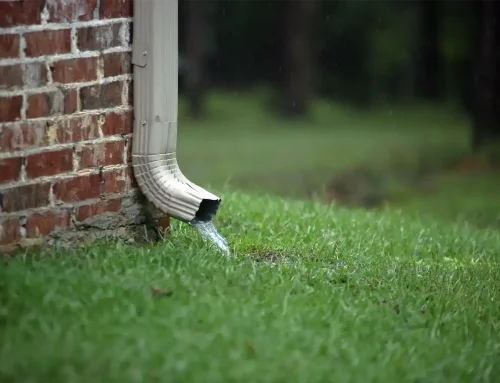
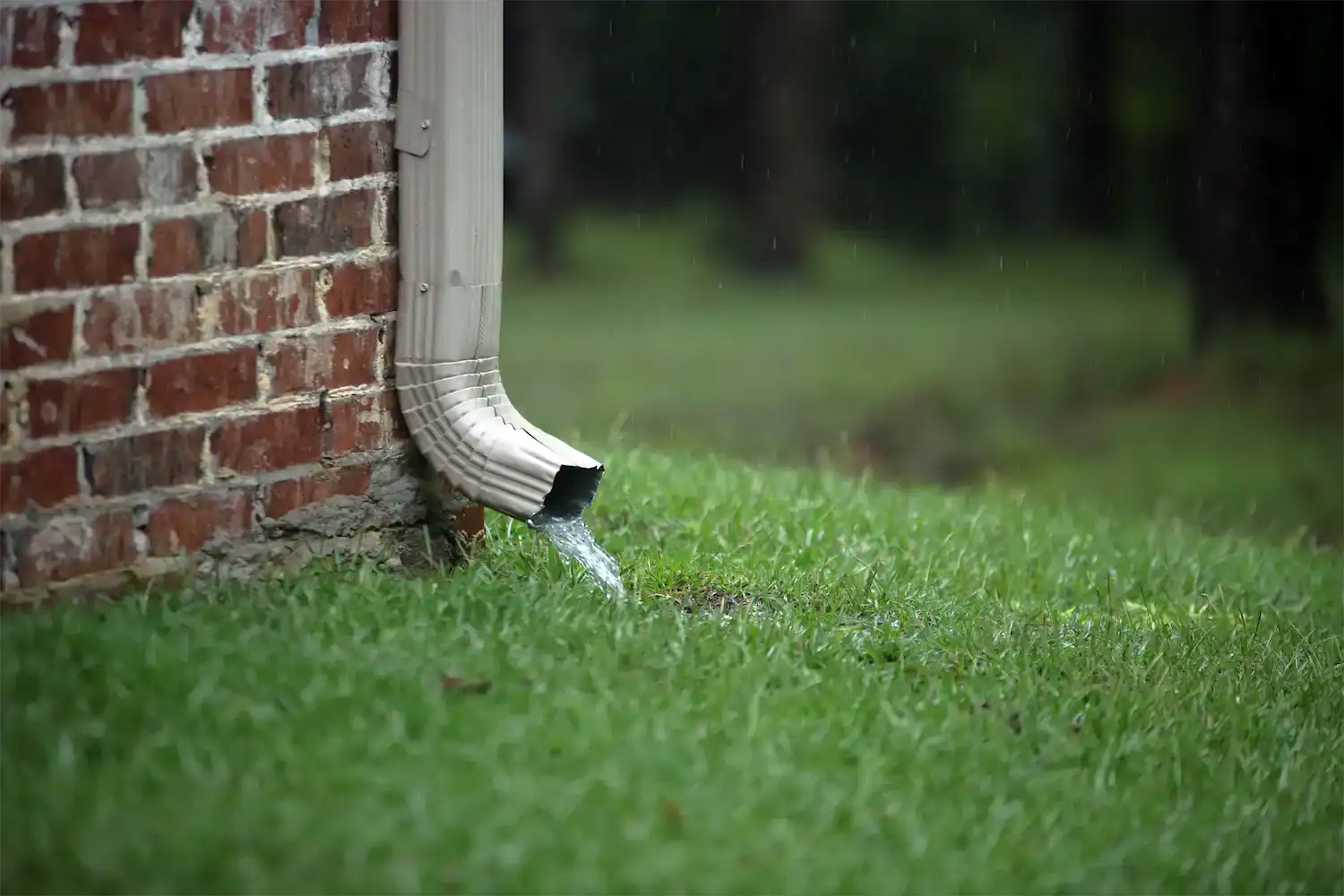
Downspouts that are disconnected, damaged, or too short can create similar problems by allowing roof water to discharge too close to the foundation.
The important point: Cleaning your gutters is only part of the solution. Your downspouts must also be clear, properly connected, and positioned to direct water away from your home.
3. Repeated Water Exposure Can Worsen Foundation Problems
Concrete and masonry foundations can develop cracks and other vulnerabilities over time.
When overflowing eavestroughs repeatedly saturate the soil beside your house, moisture may enter through these existing openings.
Repeated wetting can also contribute to soil movement and foundation deterioration under certain conditions.
Clogged eavestroughs do not automatically mean your foundation will leak, but they can significantly increase the risk when other drainage or waterproofing weaknesses are present.
Warning Signs Your Gutters May Be Contributing to Basement Leaks
Basement water problems don’t always begin with a noticeable puddle. Often, there are smaller warning signs outside and inside your home.
Watch for the following:
- Water spilling over your eavestroughs: Rainwater flows over the edges instead of through the downspouts.
- Puddles near your foundation: Water collects beside your home during or after rainfall.
- Soil erosion: Mulch, soil, or landscaping is being washed away beneath your roofline.
- Damp basement walls: Moisture appears on basement walls, especially after heavy rain.
- Musty basement odours: Persistent dampness can create conditions that encourage mould growth.
- Water stains or peeling paint: Discolouration, bubbling paint, or white mineral deposits may indicate moisture entering through basement walls.
- Overflowing downspout connections: Water backs up or escapes from joints during rainfall.
If you notice several of these symptoms together, your eavestrough and downspout system should be inspected as part of a broader drainage assessment.
Why Toronto Homes Are Particularly Vulnerable to Drainage Problems
Toronto’s changing seasons can place considerable stress on residential drainage systems.
Heavy Spring Rainfall and Snowmelt
During the spring, melting snow and seasonal rainfall can introduce large amounts of water around residential foundations.
If eavestroughs are clogged or downspouts are blocked, the drainage system may struggle to move water away from the house.
The combination of saturated soil and additional roof runoff can increase the likelihood of basement water infiltration.
Autumn Leaves and Debris
Many established Toronto neighbourhoods have mature trees that shed significant amounts of leaves in the fall.
Leaves, small branches, and other debris can quickly accumulate in eavestroughs, especially when regular cleaning has been neglected.
A blockage that develops in autumn may remain unnoticed until heavy rain or spring snowmelt exposes the problem.
Winter Ice and Freeze-Thaw Cycles
During winter, trapped water and debris can freeze inside eavestroughs and downspouts.
Ice buildup can restrict drainage, contribute to overflowing water during thaws, and place additional stress on gutter connections.
Toronto’s frequent temperature fluctuations make it particularly important to address drainage blockages before winter arrives.
How to Prevent Basement Leaks Caused by Clogged Gutters
Fortunately, many gutter-related basement drainage problems can be prevented through regular maintenance and a properly designed water management system.
1. Keep Your Eavestroughs Clean
Regular eavestrough cleaning removes leaves, dirt, and debris that interfere with water flow.
For many Toronto homes, cleaning in the spring and again after the majority of autumn leaves have fallen is a practical starting point.
Homes surrounded by mature trees may require more frequent attention.
2. Make Sure Downspouts Drain Away From Your Foundation
Your downspouts should carry roof water to an appropriate discharge location away from your home.
A common starting recommendation is to direct water approximately 4 to 6 feet away from the foundation, where practical. However, the correct distance depends on your property’s grading, drainage conditions, and local requirements.
Simply extending a downspout may not solve the problem if the surrounding ground slopes back toward your house.
A residential drainage specialist can evaluate the best discharge location for your property.
3. Repair Leaking or Sagging Eavestroughs
Even clean eavestroughs can cause drainage problems if they are damaged or improperly installed.
Common issues include:
- Loose or separated gutter joints
- Incorrect eavestrough slope
- Sagging sections that hold standing water
- Leaking corners and seams
- Damaged or disconnected downspouts
Addressing these problems helps restore proper water flow and reduces the amount of water reaching your foundation.
4. Check the Grading Around Your Home
Your property’s grading refers to how the ground slopes around the foundation.
Ideally, the surrounding landscape should direct surface water away from the house rather than allowing it to collect against basement walls.
Even a properly functioning eavestrough system can be less effective if the ground slopes toward your foundation.
5. Consider Additional Residential Drainage Solutions
Some properties have drainage challenges that cannot be solved through eavestrough cleaning or downspout extensions alone.
Depending on the property, additional solutions may include:
- Repositioning or replacing downspouts
- Improving roof water discharge locations
- Correcting drainage problems around the home
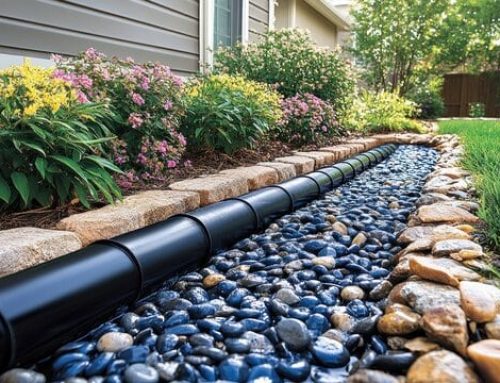
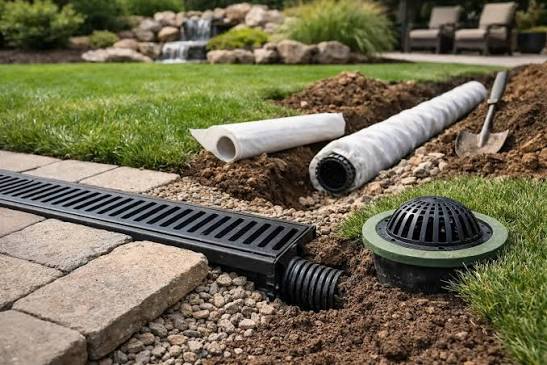
- Installing a French drain where appropriate
The right solution depends on where the water originates, how it moves across the property, and the condition of the existing drainage system.
Can Cleaning Your Gutters Stop a Basement Leak?
Cleaning clogged gutters can help stop basement leaks when overflowing roof water is the primary cause. However, gutter cleaning alone will not resolve every basement water problem.
Basement leaks can also result from foundation cracks, poor grading, groundwater pressure, window wells, plumbing leaks, or failed waterproofing systems.
If your basement becomes wet after heavy rainfall, inspecting the eavestroughs and downspouts is a sensible first step.
If the drainage system is functioning correctly and water continues to enter the basement, further investigation may be needed to identify the source. The last thing you want is a newly remodeled basement to suddenly have major water issues.
The goal is to correct the cause of the water intrusion rather than simply treating the visible symptoms.
When Should You Repair or Replace Your Eavestroughs?
Not every drainage problem requires a complete eavestrough replacement.
If your system is structurally sound, professional cleaning, resealing, adjusting the slope, or repairing a damaged downspout may be sufficient.
However, replacement may be worth considering when:
- Eavestroughs repeatedly overflow despite regular cleaning
- Multiple sections are sagging or separating
- Corrosion or deterioration has weakened the system
- The existing eavestroughs are undersized for the roof’s drainage requirements
- Downspout locations are poorly designed
- Previous repairs have not resolved recurring drainage problems
A professional inspection can help determine whether targeted repairs or a more comprehensive drainage improvement will provide better long-term protection.
Protect Your Toronto Home With Proper Eavestrough and Downspout Drainage
Basement leaks can be expensive and disruptive, but some of the contributing drainage problems begin outside the home, where they may be easier to identify and correct.
Keeping your eavestroughs clear, maintaining properly functioning downspouts, and directing rainwater away from your foundation are important steps in protecting your home from water damage.
At Ontario Downspout Service, we specialize in residential eavestroughs, downspouts, and drainage solutions for homeowners throughout Toronto and the GTA.
As a family-run, licensed, insured, and award-winning company, we focus on helping homeowners manage roof water effectively and protect their properties from preventable drainage problems.
Whether you have overflowing eavestroughs, damaged downspouts, or recurring water accumulation near your foundation, our team can assess your exterior drainage system and recommend appropriate solutions.
Contact Ontario Downspout Service to discuss your home’s eavestrough, downspout, or drainage concerns.