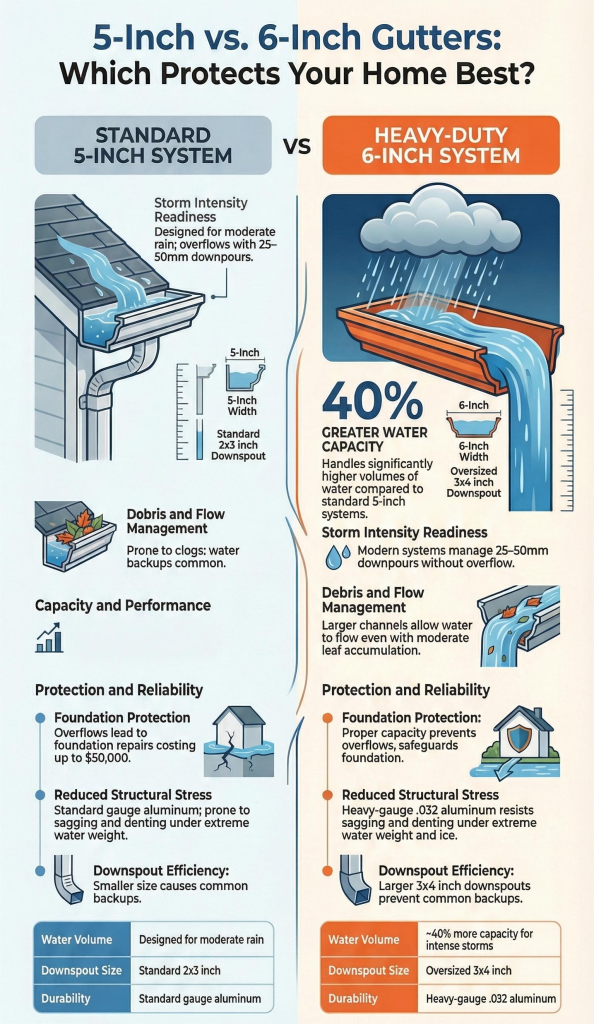
6-inch gutters provide approximately 40% more water capacity than standard 5-inch gutters, making them significantly more effective at preventing overflow during Toronto’s heavy rainfall events and protecting your foundation from water damage. This capacity difference becomes critical during the intense summer thunderstorms and spring deluges that are increasingly common in the Greater Toronto Area. While 5-inch gutters were adequate for historical rainfall patterns, modern storm intensity demands the enhanced performance that 6-inch systems deliver. For homeowners serious about preventing basement leaks, protecting foundations, and eliminating the chronic overflow problems that plague undersized eavestrough systems, upgrading to 6-inch gutters represents one of the most effective drainage improvements available.
Understanding the Capacity Difference
The difference between 5-inch and 6-inch gutters seems small—just one inch—but the performance gap is substantial.
Water Flow Capacity Comparison
Eavestrough capacity depends on cross-sectional area, not just width. A 6-inch gutter provides significantly more area for water flow:
5-inch gutter capacity: Standard K-style 5-inch gutters can handle approximately 1,200 square feet of roof area per downspout under moderate rainfall conditions.
6-inch gutter capacity: K-style 6-inch gutters manage approximately 1,700-2,000 square feet of roof area per downspout under the same conditions—roughly 40% more capacity.
This difference becomes critical during Toronto’s heavy rainfall events. When a summer thunderstorm drops 40-50mm of rain in an hour, that extra capacity determines whether water flows smoothly through your drainage system or overflows directly onto your foundation.
Peak Flow Performance
The capacity gap widens during intense rainfall:
Moderate rain (5-10mm/hour): Both 5-inch and 6-inch systems typically perform adequately with proper maintenance.
Heavy rain (15-25mm/hour): 5-inch gutters approach capacity limits and may overflow at roof valleys or long runs. 6-inch gutters handle this intensity comfortably.
Intense storms (30-50mm/hour): 5-inch systems overflow extensively. 6-inch gutters continue functioning, though may reach capacity during the most extreme events.
For Toronto homeowners, the question isn’t whether you’ll experience 30mm/hour rainfall—it’s when. The GTA sees multiple such events annually, particularly during July and August thunderstorm season.
Debris Management Capacity
Larger gutters don’t just handle more water—they manage debris more effectively:
Continued flow with partial blockage: When leaves and organic matter accumulate, 6-inch gutters maintain better water flow than clogged 5-inch systems. This doesn’t eliminate cleaning needs, but it reduces overflow risk between maintenance intervals.
Larger downspout compatibility: 6-inch gutters accommodate 3×4-inch or larger downspouts, which resist clogging better than standard 2×3-inch downspouts common with 5-inch systems.
Spring debris challenges: Toronto’s spring brings both heavy rainfall and tree debris (seeds, blossoms, early leaves). The extra capacity of 6-inch systems helps manage both simultaneously.
Toronto Climate Factors That Favor Larger Gutters
The Greater Toronto Area’s specific weather patterns make 6-inch gutters particularly valuable compared to regions with different climate conditions.
Increasing Storm Intensity
Climate data shows Toronto experiencing more frequent high-intensity rainfall:
Historical vs. current patterns: Drainage systems installed 20-30 years ago were designed for rainfall patterns that no longer represent current conditions. Storm intensity has increased, with more frequent events delivering 25-50mm in short periods.
Summer thunderstorm intensity: Convective storms during summer months can produce rainfall rates exceeding what smaller gutters were designed to handle. A single severe thunderstorm can overwhelm 5-inch systems while 6-inch gutters continue functioning.
Flash flooding events: The GTA has seen several significant flash flooding events in recent years. Homes with adequate eavestrough capacity suffered far less damage than those with undersized systems.
Spring Melt and Rain Combination
Toronto’s spring season creates unique drainage challenges:
Rapid snow melt: When temperatures spike in March or April, roofs shed large volumes of meltwater quickly. This concentrated flow overwhelms small gutters.
Melt-rain events: Simultaneous melting snow and rainfall creates maximum water volume. 6-inch gutters handle these peak flow conditions better.
Saturated ground conditions: Spring soil saturation means water from overflowing gutters can’t absorb into the ground—it flows directly to foundations and basements.
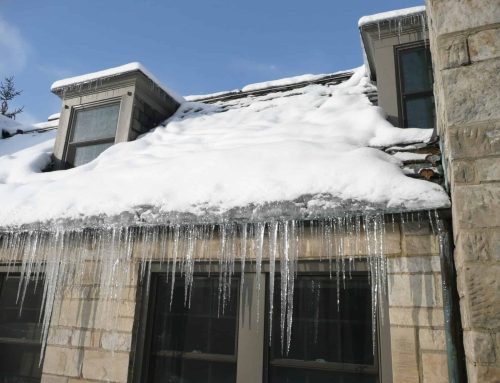
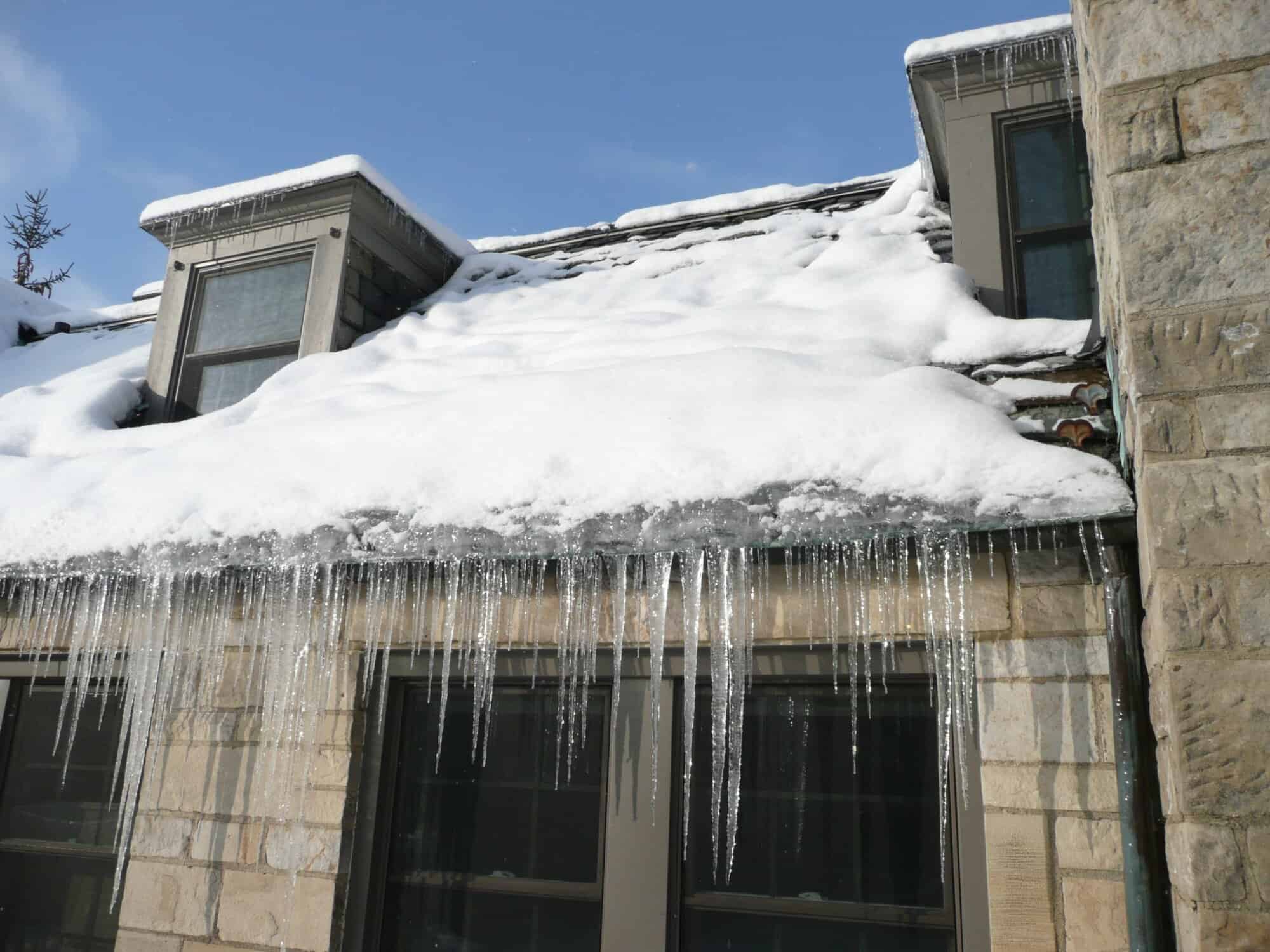
Winter Ice Dam Prevention
Adequate gutter capacity helps prevent ice dam formation:
Meltwater flow: During winter thaw periods, 6-inch gutters allow meltwater to flow and drain before refreezing. Smaller gutters back up, causing ice dams.
Reduced ice weight: Better drainage means less water remains in gutters to freeze, reducing destructive ice weight.
Spring ice clearing: Larger gutters clear accumulated ice faster during spring thaw, reducing damage risk to your eavestrough system.
Urban Tree Canopy
Toronto’s mature urban forest impacts drainage systems significantly:
Leaf volume: Established neighborhoods with large maples, oaks, and other deciduous trees generate massive leaf quantities each autumn. 6-inch gutters provide more capacity to handle debris while maintaining adequate water flow.
Year-round debris: Beyond autumn leaves, trees drop seeds, blossoms, twigs, and organic material throughout the year. Larger gutters manage this constant debris load better.
Overhanging branches: Dense tree canopy concentrates debris in specific eavestrough sections. The extra capacity of 6-inch systems prevents these concentrated areas from becoming complete blockages.
How 6 Inch Gutters Protect Your Foundation and Basement
The primary value of larger gutters isn’t just preventing overflow—it’s protecting your home’s structural integrity through better water management.
Preventing Foundation Saturation
When 5-inch gutters overflow during heavy rain:
Concentrated waterfall effect: Water pours over random gutter locations, often directly beside your foundation. A single overflow point can dump hundreds of gallons in minutes.
Foundation saturation: This concentrated water saturates soil immediately adjacent to your foundation, creating hydrostatic pressure that forces water through any available opening.
Chronic exposure: Repeated saturation cycles during each storm season progressively damage foundations—deteriorating concrete, widening cracks, compromising waterproofing.
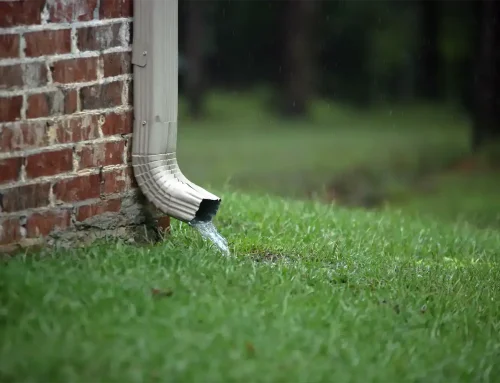
6-inch gutters prevent this cycle by maintaining flow capacity during heavy rainfall, directing water through downspouts to proper discharge points away from foundations.
Basement Leak Prevention
The connection between eavestrough capacity and basement dryness is direct:
Eliminating overflow sources: When gutters don’t overflow, water doesn’t cascade down foundation walls seeking basement entry points.
Reducing hydrostatic pressure: Keeping water away from foundations prevents the pressure buildup that forces infiltration through cracks, cove joints, and porous concrete.
Window well protection: Properly functioning gutters prevent the soil saturation around window wells that causes these vulnerable foundation penetrations to fill with water.
Many Toronto homeowners spend thousands on basement waterproofing systems to address problems that 6-inch gutters would prevent for a fraction of the cost.
Long-Term Foundation Protection
Foundation repair is exponentially more expensive than drainage upgrades:
Exterior waterproofing: Requires excavation around your entire foundation perimeter and costs $8,000-$15,000 or more.
Foundation crack repair: Professional foundation repair runs $500-$3,000 depending on damage extent.
Settlement issues: Foundation settlement from repeated saturation can require structural repairs costing $15,000-$50,000+.
Installing 6-inch gutters represents preventive maintenance that protects against these catastrophic expenses.
Heavy-Gauge Aluminum: Material Matters
At Ontario Downspout Service, we recommend 6-inch heavy-gauge aluminum eavestroughs specifically because the material quality matches the capacity advantage.
Why Heavy-Gauge Aluminum Outperforms Standard Options
Structural integrity: Thicker aluminum (typically .032 gauge or heavier) resists sagging under water weight. During heavy storms, 6-inch gutters filled with water are substantially heavier than 5-inch systems—heavy-gauge construction prevents the sagging that compromises drainage function.
Durability: Heavy-gauge aluminum withstands impacts from falling branches, ice, and debris better than thin-gauge alternatives. Toronto’s winter conditions and urban tree canopy make this durability essential.
Rust resistance: Unlike steel gutters that eventually rust, aluminum remains corrosion-free despite Toronto’s wet climate and winter road salt exposure.
Low maintenance: Aluminum doesn’t require painting or protective coatings. The material maintains performance with basic cleaning and occasional inspections.
Longevity: Properly installed heavy-gauge aluminum systems last 25-30 years or more—often outlasting the homes’ roofing systems.
Seamless Construction Advantages
Professional 6-inch installations use seamless construction methods:
Leak prevention: Seamless gutters eliminate the seam points where sectional gutters commonly fail, reducing leak risk substantially.
Structural consistency: Without seams, heavy-gauge aluminum provides uniform strength along the entire run.
Better appearance: Seamless systems look cleaner and more professional than sectional alternatives.
Custom fit: Seamless construction allows precise fitting to your home’s exact measurements and architectural details.
When Upgrading to 6 Inch Gutters Makes Sense
Certain situations make upgrading to 6-inch systems particularly valuable.
Ideal Upgrade Scenarios
Roof replacement timing: If you’re replacing your roof, upgrade gutters simultaneously. Combined projects save on labor costs and scaffolding setup.
Chronic overflow problems: If your current gutters overflow during heavy rain despite regular cleaning, you need larger capacity.
Basement moisture issues: Recurring basement dampness after rainstorms often indicates inadequate drainage capacity.
Age of current system: Gutters approaching 15-20 years old need replacement soon. Upgrade to 6-inch rather than replacing with undersized 5-inch systems.
New home purchase: Older Toronto homes often have original 5-inch gutters. Upgrading early prevents problems and provides peace of mind.
Large or complex roof areas: Homes with extensive roof area, multiple valleys, or complex roof geometry benefit substantially from 6-inch capacity.
Heavy tree coverage: Properties surrounded by mature trees accumulate more debris and experience concentrated rainfall under canopy. Larger gutters manage both better.
Properties That Benefit Most
Multi-story homes: Taller homes collect runoff from greater roof area and create more downspout velocity—demanding adequate capacity.
Homes with flat roof sections: Properties combining sloped and flat roofing often have concentrated drainage points requiring robust eavestrough systems.
Properties on slopes: Homes on hillsides need excellent drainage to prevent foundation undermining from combined roof water and surface runoff.
Older foundations: Homes with aging foundations benefit from enhanced drainage that reduces water exposure and prevents further deterioration.
Making the Right Choice for Your Toronto Home
Choosing between 5-inch and 6-inch gutters ultimately comes down to understanding Toronto’s climate realities and deciding whether to meet minimum standards or invest in superior protection.
Standard 5-inch gutters may function adequately during average conditions, but Toronto’s weather increasingly features above-average intensity. The modest cost difference between 5-inch and 6-inch systems pales in comparison to foundation repair, basement waterproofing, or flood damage restoration expenses.
At Ontario Downspout Service, we’ve specialized in residential drainage for over a decade, working exclusively with 6-inch heavy-gauge aluminum eavestrough systems because we’ve seen the dramatic performance difference in real-world Toronto conditions. Our experience across thousands of GTA homes has shown us that proper drainage capacity isn’t optional—it’s fundamental to protecting your home’s structural integrity and keeping basements dry.
Whether you’re dealing with current overflow problems, planning proactive upgrades, or want the peace of mind that comes with superior drainage infrastructure, we can design and install a 6-inch eavestrough system specifically matched to your property’s needs.
Ready to upgrade to superior drainage protection? Contact Ontario Downspout Service for a professional assessment of your current eavestrough system and a detailed proposal for 6-inch heavy-gauge aluminum gutters. We’ll show you exactly how larger capacity gutters will protect your foundation, prevent basement leaks, and eliminate the overflow problems that plague undersized systems.