If your eavestrough system overflows during heavy rainfall, shows signs of pooling water near your foundation, or was installed more than 15-20 years ago, you likely need drainage upgrades to handle Toronto’s increasingly intense storm events. Climate data shows the GTA is experiencing more frequent high-intensity rainfall, with storms that deliver 25-50mm of precipitation in just a few hours—far exceeding what older, undersized drainage systems were designed to manage. Modern drainage upgrades don’t just prevent overflow during extreme weather; they protect your foundation from water damage, keep basements dry, and eliminate the chronic maintenance headaches that come with inadequate eavestrough capacity. For Toronto homeowners facing heavier spring rains and more intense summer thunderstorms, upgrading your drainage infrastructure is becoming a necessity rather than an option.
Signs Your Current Drainage System Can’t Handle Heavy Storms
Many homeowners don’t realize their drainage system is inadequate until they experience basement flooding or foundation damage. Recognizing the warning signs early allows you to upgrade proactively rather than responding to emergencies.
During and Immediately After Storms
Eavestrough overflow: The most obvious sign is water pouring over gutter edges during heavy rainfall instead of exiting through downspouts. If this happens even briefly during intense storms, your system lacks adequate capacity.
Waterfalls at corners or seams: Water cascading from specific eavestrough locations indicates either blockages or inadequate channel size at those points. While cleaning might temporarily help, recurring overflow suggests undersized gutters.
Downspout backup: Water backing up out of downspout openings or overflowing at elbows shows your downspouts can’t handle the volume your gutters are delivering. This is particularly common with standard 2×3-inch downspouts during Toronto’s heaviest rainfall.
Pooling water around foundations: Standing water within 6 feet of your foundation after storms indicates your drainage system isn’t directing water far enough from your home. This saturation threatens basement integrity and foundation stability.
Erosion channels: Grooves or channels worn into soil along your foundation show concentrated water flow from above—typically from inadequate drainage capacity forcing water over eavestrough edges repeatedly in the same locations.
Chronic Performance Issues
Frequent clogging despite cleaning: If your gutters clog repeatedly even with regular maintenance, they may be too small to handle debris volume along with water flow. Larger gutters provide more capacity for both.
Ice dam formation: Persistent winter ice dams suggest inadequate drainage capacity. When gutters can’t handle meltwater flow, it backs up under shingles and freezes, creating destructive ice buildups.
Basement dampness correlation: If your basement shows moisture problems specifically after heavy rains, investigate whether eavestrough overflow is saturating your foundation perimeter.
Sagging or pulling away from fascia: Older, undersized gutters filled beyond capacity become extremely heavy. This weight stresses mounting systems, causing gutters to sag or separate from fascia boards—creating both drainage and structural problems.
Why Toronto’s Climate Demands Robust Drainage Systems
The Greater Toronto Area’s weather patterns create specific drainage challenges that older or undersized systems simply can’t manage.
Increasing Storm Intensity
Climate data from Environment Canada shows concerning trends for the GTA:
More frequent heavy rainfall events: Toronto is experiencing an increase in storms delivering 25mm or more of rain in 24 hours. These events overwhelm drainage systems designed for historical average rainfall patterns.
Intensity duration changes: Rather than gentle, all-day rain, Toronto increasingly experiences concentrated downpours where significant precipitation falls in 1-3 hour windows. Drainage systems must handle peak flow rates, not just total volume.
Summer thunderstorm patterns: July and August bring intense convective storms that can drop 40-50mm in less than an hour. Eavestrough systems sized for moderate rainfall fail completely during these events.
Seasonal Drainage Challenges
Each season presents distinct drainage demands:
Spring thaw and rain combination: March through May brings both melting snow and frequent rainfall. Drainage systems face maximum water volume when saturated ground can’t absorb additional water—making efficient eavestrough function critical.
Summer intensity: Short-duration, high-intensity thunderstorms test peak capacity. A system that handles light rain adequately may overflow catastrophically during summer downpours.
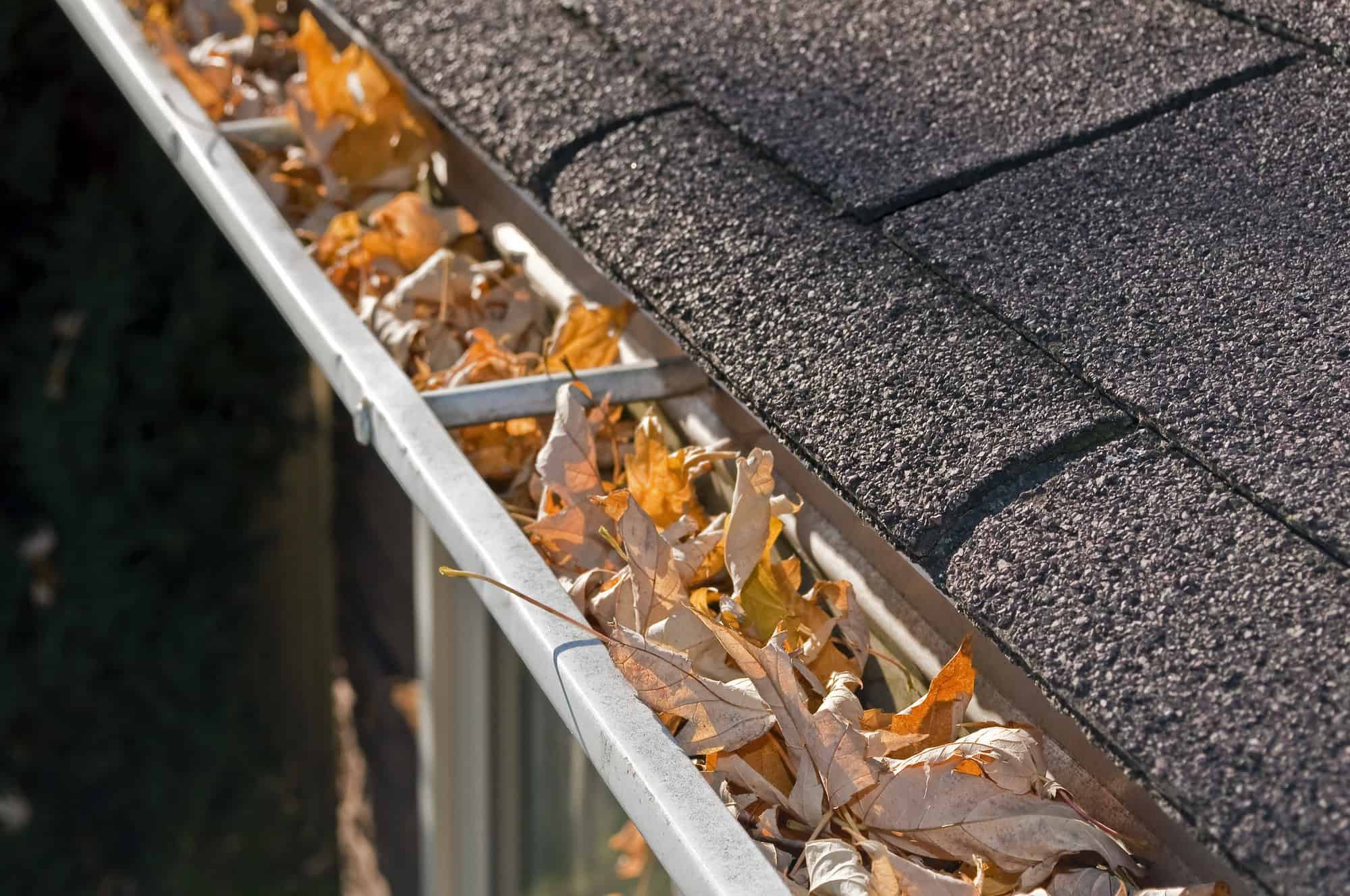
Autumn debris load: Falling leaves reduce effective eavestrough capacity just when fall rains arrive. Larger gutters maintain function even with some debris accumulation.
Winter freeze-thaw cycles: Inadequate drainage contributes to ice dam formation. Proper capacity allows meltwater to drain before refreezing.
Toronto’s Urban Environment
The GTA’s mature tree canopy and urban density create additional drainage considerations:
Leaf volume: Neighborhoods with established trees see massive leaf accumulation each autumn. Standard 5-inch gutters struggle to manage both leaves and water flow simultaneously.
Roof runoff patterns: Toronto’s mix of housing styles—from Victorian homes to modern builds—creates varied roof pitches and drainage patterns. Older homes often have complex roof lines with multiple valleys concentrating water flow to specific eavestrough sections.
Foundation proximity: Dense urban development means homes sit close to property lines. Water must be managed precisely rather than allowed to overflow and affect neighboring properties.
What Modern Drainage Upgrades Include
Upgrading your drainage system for heavy storm performance involves more than just replacing old gutters with new ones of the same size.
Heavy-Duty Eavestrough Systems
The foundation of robust drainage is properly sized, high-quality eavestrough:
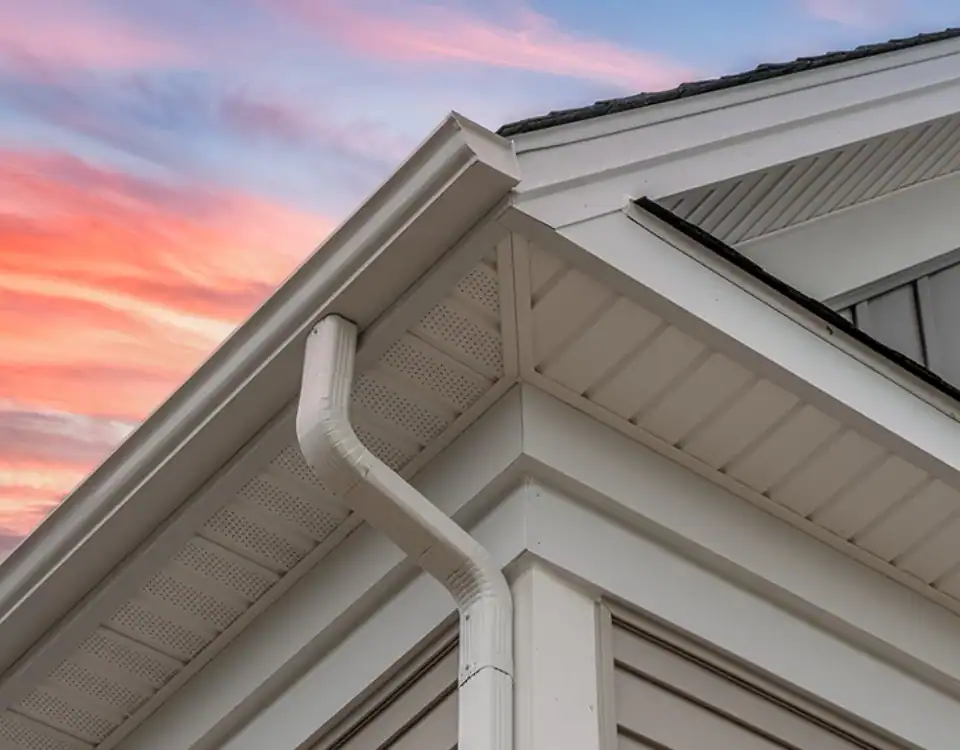
6-inch eavestrough capacity: Standard 5-inch gutters were designed for moderate rainfall patterns. Modern 6-inch systems provide approximately 40% greater water capacity—the difference between overflow and proper function during intense storms.
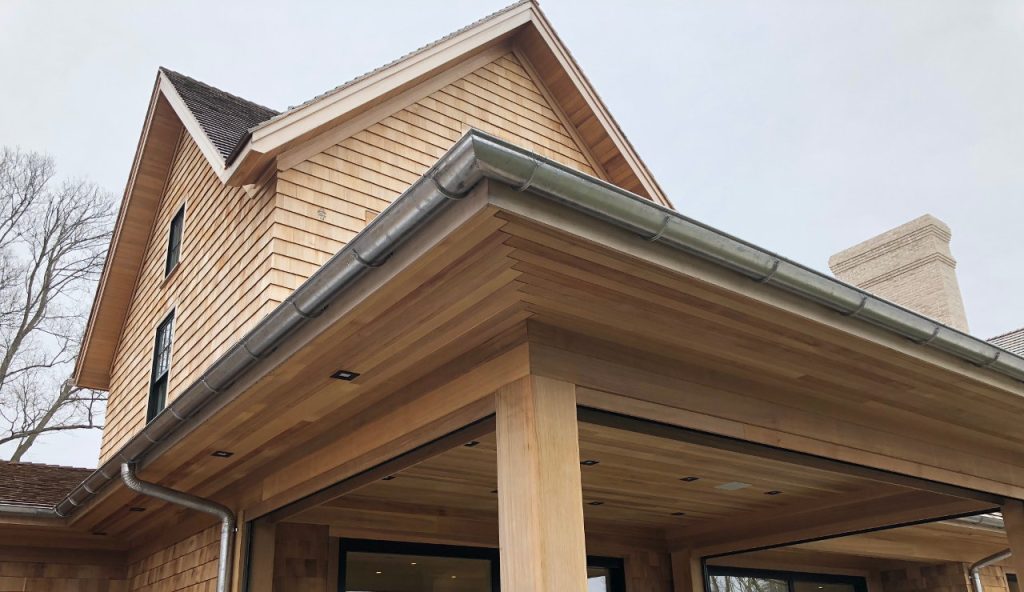
At Ontario Downspout Service, we recommend and primarily install 6-inch heavy-gauge aluminum eavestroughs for exactly this reason. This system offers superior performance over standard 5-inch options, especially during Toronto’s heavy rainfalls. The larger size improves flow capacity and allows for the installation of wider downspouts, which greatly reduces the risk of overflow and water pooling near the foundation.
Heavy-gauge aluminum benefits: Thicker aluminum (typically .032 gauge or heavier) provides:
- Greater structural integrity to prevent sagging under water weight
- Better resistance to denting from falling branches or ice
- Longer lifespan with less maintenance
- Rust-resistant, low-maintenance performance ideal for Toronto’s climate
Proper pitch and mounting: Even large gutters fail without correct installation. Professional upgrades ensure:
- Precise slope toward downspouts (approximately 1/4 inch per 10 feet)
- Secure mounting to fascia boards with appropriate bracket spacing
- Seamless construction to eliminate leak-prone joints
Adequate Downspout Systems
Larger eavestroughs require correspondingly sized downspouts to handle increased flow:
Oversized downspout benefits: 3×4-inch or larger downspouts (compared to standard 2×3-inch) move water more efficiently, preventing backups during peak flow. This becomes critical during Toronto’s intense summer thunderstorms.
Strategic placement: Drainage upgrades often include adding downspout locations to:
- Reduce the distance water must travel through eavestrough channels
- Balance flow across the system
- Target discharge away from problem foundation areas
Proper discharge systems: Downspouts must connect to adequate ground-level drainage:
- Extensions carrying water at least 6 feet from foundations
- Underground drainage pipes where appropriate
- Splash blocks or extenders that prevent erosion
Additional Drainage Enhancements
Comprehensive upgrades may include supporting systems:
Gutter guards: Quality guard systems reduce maintenance frequency by preventing debris accumulation while allowing water flow. This is particularly valuable for homes surrounded by trees.
Leaf screens at downspouts: Preventing debris from entering downspouts reduces clogging and maintains flow capacity.
Drainage tie-ins: Connecting downspouts to underground drainage systems or directing flow to appropriate storm sewer access points (where permitted).
Foundation grading improvements: Ensuring ground slopes away from foundations so discharged water continues moving away from your home.
When Drainage Upgrades Make Financial Sense
The decision to upgrade drainage systems involves balancing current costs against potential future damage and ongoing maintenance expenses.
Proactive Upgrade Scenarios
Age of current system: If your eavestroughs are 15-20 years old or showing deterioration signs (rust, separated seams, sagging sections), upgrading to modern 6-inch systems makes sense rather than replacing with undersized 5-inch gutters.
Before basement finishing: Homeowners planning basement renovations should upgrade drainage first. Water damage to finished basements costs far more than preventing infiltration through proper exterior drainage.
After chronic basement moisture: If you’ve experienced basement dampness or flooding, drainage upgrades often solve the problem more cost-effectively than interior waterproofing solutions.
During roofing replacement: If you’re replacing your roof, upgrading eavestroughs simultaneously saves on labor costs and ensures your complete roofing and drainage system works together optimally.
Moving into older homes: New homeowners in vintage Toronto properties should evaluate drainage capacity early. Upgrading before problems develop prevents emergency repairs during the first major storm.
Cost vs. Risk Analysis
Consider what drainage failures cost:
Foundation repair: Exterior foundation waterproofing runs $8,000-$50k+. Interior drainage systems cost $5,000-$30,000. Preventing these expenses through $3,000-$5,000 in drainage upgrades makes clear financial sense.
Basement damage: Water infiltration can destroy finished basements, ruin stored belongings, and create mold problems requiring professional remediation. The cost of one significant flooding event often exceeds comprehensive drainage upgrade expenses.
Ongoing maintenance: Undersized systems require more frequent cleaning and emergency repairs. Larger, properly designed systems reduce long-term maintenance costs.
Property value protection: Documented drainage problems affect resale values. Conversely, modern, properly sized drainage systems represent selling points for potential buyers.
Flat Roof Considerations in Drainage Planning
While most Toronto homes have sloped roofs, properties with flat roof sections face unique drainage challenges during heavy storms:
Concentrated discharge: Flat roofs collect water at specific drain points rather than distributing it along eavestrough perimeters. When this concentrated flow connects to eavestrough systems, adequate capacity becomes even more critical.
Emergency overflow: Flat roofs require emergency overflow scuppers or drains to prevent ponding during extreme rainfall. These overflow points must connect to drainage systems capable of handling sudden, high-volume discharge.
Flat roof repairs and drainage: If you’re addressing flat roof repairs, simultaneously evaluate how roof drainage integrates with your eavestrough system. Inadequate ground-level drainage can create problems even with a perfect roof.
Working with an eavestrough contractor who understands complete drainage systems—including how flat roof discharge affects overall capacity—ensures your upgrades actually solve problems rather than shift them to different locations.
Professional Assessment for Toronto Drainage Upgrades
Determining exactly what drainage upgrades your home needs requires professional evaluation of your complete exterior water management system.
A comprehensive drainage assessment examines:
- Current eavestrough size, condition, and capacity
- Downspout sizing, placement, and discharge adequacy
- Roof area, pitch, and water volume calculations
- Foundation grading and water flow patterns
- Historical problem areas and flooding patterns
- Integration with flat roof sections (if applicable)
- Local rainfall intensity data and climate considerations
This evaluation identifies the specific upgrades your property needs rather than applying one-size-fits-all solutions.
At Ontario Downspout Service, drainage system assessment and upgrade planning is exactly what we specialize in. Our decade-plus experience with Toronto residential properties means we understand the specific challenges GTA homeowners face—from mature tree debris to intense summer storms to clay soil that doesn’t absorb water quickly.
We focus exclusively on 6-inch heavy-gauge aluminum eavestrough systems because we’ve seen how dramatically they outperform standard installations during the heavy rainfall events Toronto now experiences regularly. Whether you’re dealing with current overflow problems, planning proactively, or want to protect your basement and foundation investment, we can design a drainage upgrade that matches your property’s specific needs.
Concerned about whether your drainage system can handle Toronto’s increasingly intense storms? Contact Ontario Downspout Service for a professional drainage assessment. We’ll evaluate your current system’s capacity, identify vulnerabilities, and recommend specific upgrades to keep your home protected during even the heaviest rainfall.
Ontario Downspout Service is a licensed, insured, and 10-time Best of Homestars award-winning residential drainage specialist serving Toronto and the GTA. We help homeowners protect their foundations and prevent water damage through expert 6-inch eavestrough, downspout, and drainage solutions.