
Homeowners insurance typically covers roof repairs caused by sudden, accidental damage like storms, fire, or falling objects, but does not cover repairs needed due to normal wear and tear, age-related deterioration, or lack of maintenance. The key distinction is whether damage results from an unexpected covered event or from gradual decline. For Toronto homeowners, understanding what your policy covers becomes especially important because roof damage doesn’t just affect the roof itself—it compromises your eavestrough and drainage systems, potentially causing foundation problems and basement leaks that extend far beyond the initial claim. Knowing when and how to file a claim protects both your immediate roofing investment and your home’s long-term structural integrity.
What Roof Damage Is Typically Covered by Insurance
Insurance policies vary, but most standard Ontario homeowner policies follow similar patterns when determining coverage for roof repairs.
Covered Perils: Sudden and Accidental Damage
Insurance companies generally cover roof damage resulting from these events:
Storm damage: High winds that tear off shingles, blow debris onto your roof, or cause tree branches to fall. Toronto’s severe thunderstorms, particularly during summer months, frequently cause insurable wind damage. If winds exceed 70 km/h and damage your roof, your claim will likely be approved.
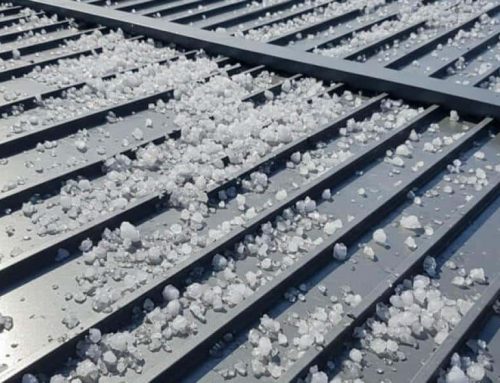
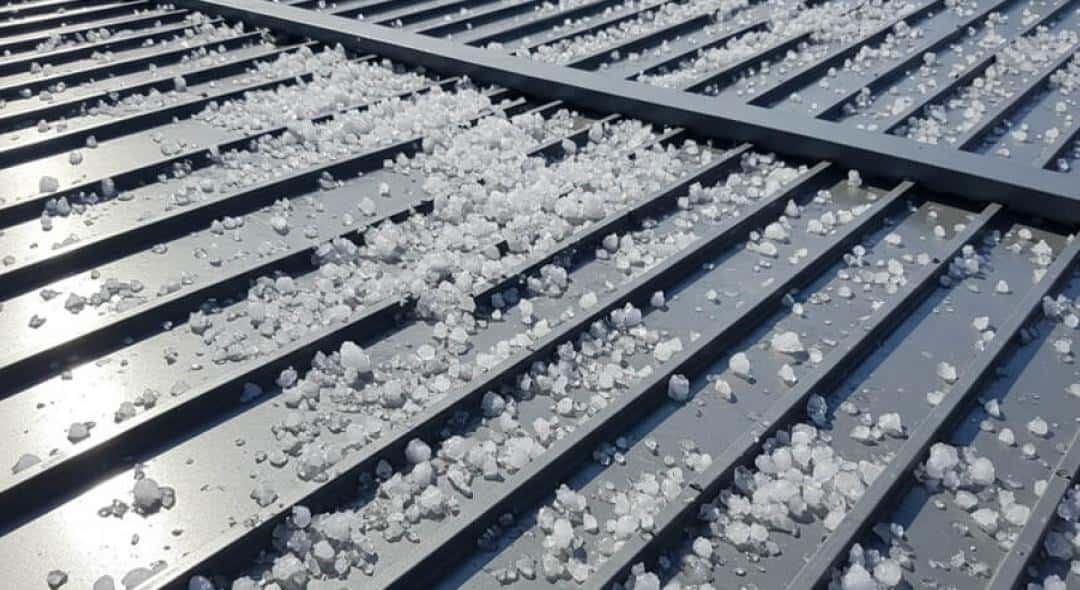
Hail damage: Even moderate hailstorms can crack shingles and damage roofing materials. The GTA experiences periodic hail events that create legitimate insurance claims. Hail damage often extends beyond the roof to include eavestrough denting and downspout impacts.
Fire damage: Whether from an external source or a home fire, insurance covers necessary roof repairs or replacement after fire damage.
Falling objects: Trees, large branches, or even aircraft debris that impact your roof qualify as covered events. Toronto’s mature urban forest means falling tree damage is more common than homeowners might expect.
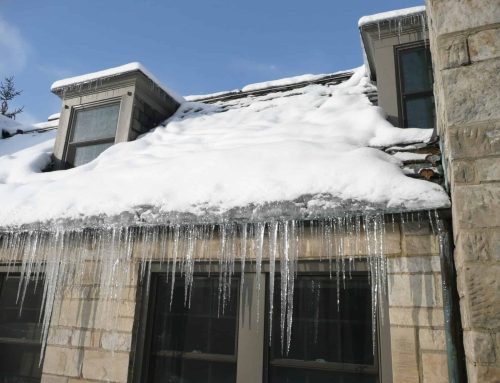
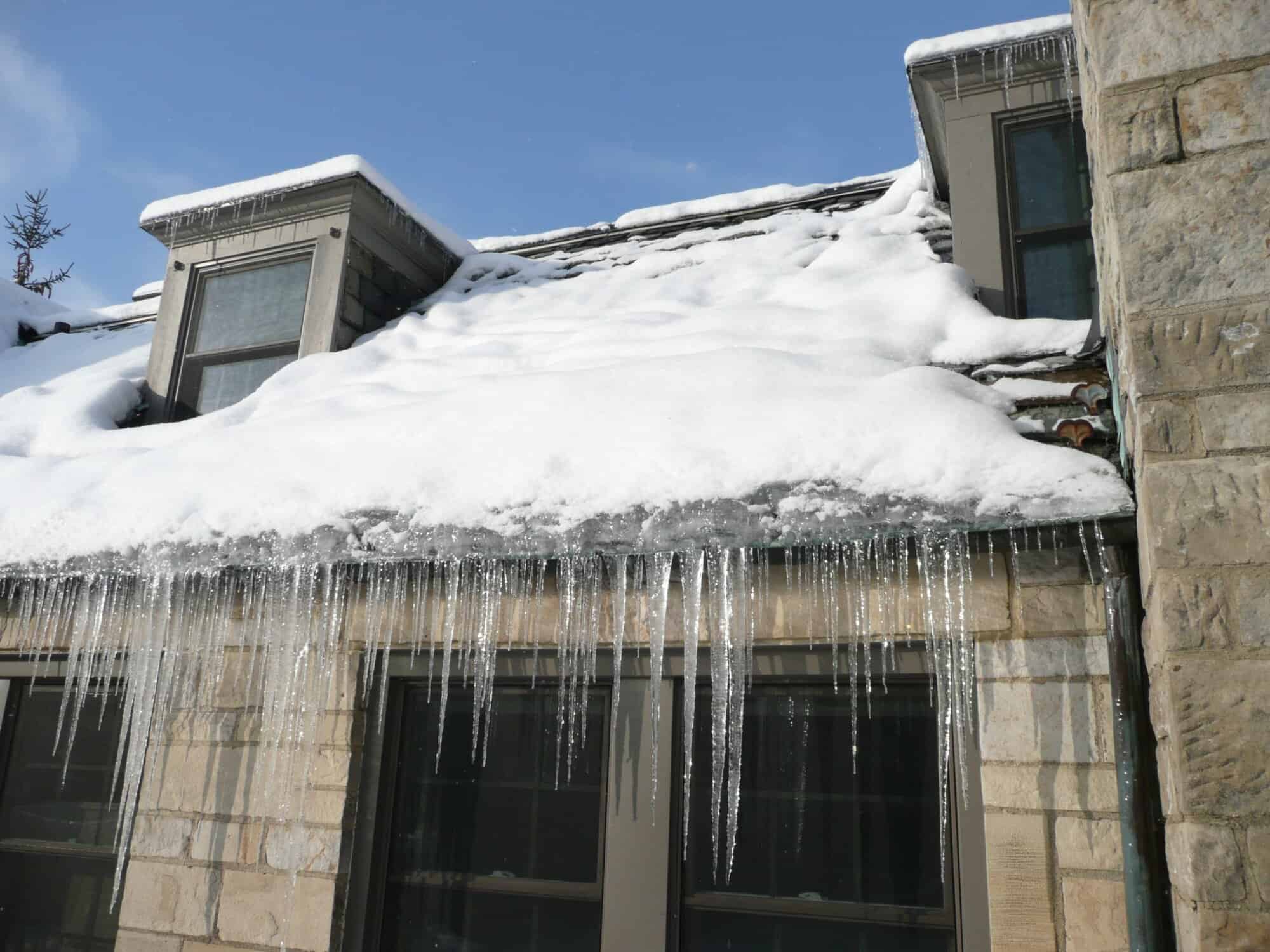
Weight of ice or snow: Structural damage from excessive snow accumulation or ice buildup typically qualifies for coverage, though this is less common in Toronto than in regions with heavier snowfall.
Vandalism: Intentional damage to your roof is generally covered under standard policies.
The Critical Timeline Factor
Most insurance policies require damage to occur suddenly. If your roof deteriorates over months or years, even from a covered peril, insurers may deny claims by arguing you should have noticed and addressed the problem sooner.
For example: If a storm damages several shingles and you don’t repair them, subsequent water damage from rain entering through those compromised shingles may not be fully covered because you failed to mitigate the original damage.
What Roof Damage Insurance Won’t Cover
Understanding exclusions prevents claim surprises and helps homeowners plan for maintenance expenses insurance won’t address.
Age and Wear-Related Deterioration
The most common reason for claim denial is normal aging:
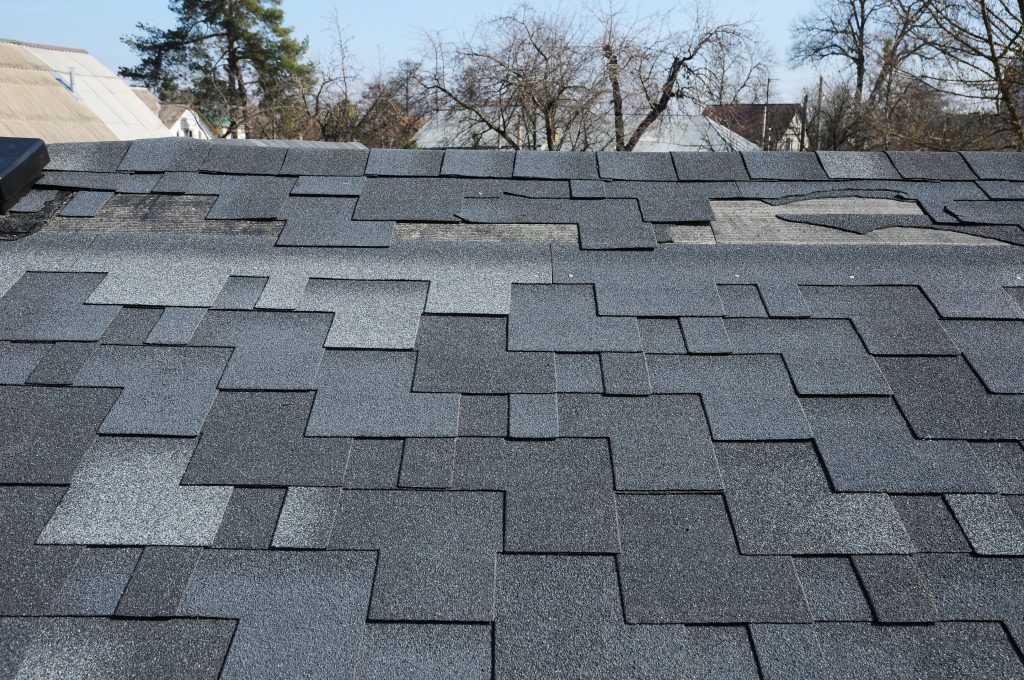
End-of-life roofing materials: If your asphalt shingles have reached 20+ years and show widespread cracking, curling, or granule loss, insurance won’t cover replacement. Toronto’s freeze-thaw cycles accelerate shingle aging, but this remains a maintenance issue, not an insurable event.
UV degradation: Years of sun exposure break down roofing materials gradually. Insurance doesn’t cover repairs needed simply because your roof is old.
Gradual leaks: If water has been slowly infiltrating your roof for months or years, creating interior damage, insurers will likely deny coverage by arguing inadequate maintenance.
Maintenance Failures
Insurance policies require homeowners to maintain their properties. Damage resulting from neglect isn’t covered:
Clogged eavestroughs: If backed-up eavestrough systems cause water to pool on your roof, damaging shingles or underlayment, insurance may deny the claim. Regular eavestrough cleaning is considered basic maintenance—failure to maintain drainage systems can void coverage for resulting damage.
Missing or damaged flashing: If deteriorated flashing allows water infiltration and you didn’t repair it when the problem was visible, resulting damage may not be covered.
Documented prior damage: If a previous inspection report noted roof problems you didn’t address, insurance companies can use this to deny claims for subsequent damage to those areas.
Cosmetic Damage
Insurance covers functional damage but typically excludes cosmetic issues:
- Slight discoloration from algae or moss growth
- Minor denting on metal roofs that doesn’t affect waterproofing
- Small dings or marks that don’t compromise roof integrity
However, the line between cosmetic and functional damage isn’t always clear. Severe hail denting on asphalt shingles may look merely cosmetic but can compromise the shingle’s protective qualities.
How Roof Damage Affects Your Drainage Systems
Most homeowners think of roof damage and drainage problems as separate issues, but they’re intimately connected—and this connection matters for insurance claims.
The Chain Reaction
When storm damage affects your roof, the impacts often cascade through your water management system:
Shingle damage releases granules: Storm-damaged asphalt shingles shed protective granules that wash into eavestrough systems during the next rainfall. These granules accumulate in eavestrough channels and downspouts, creating blockages that prevent proper drainage. If blocked eavestroughs overflow and cause foundation or basement damage, you may face multiple insurance complications.
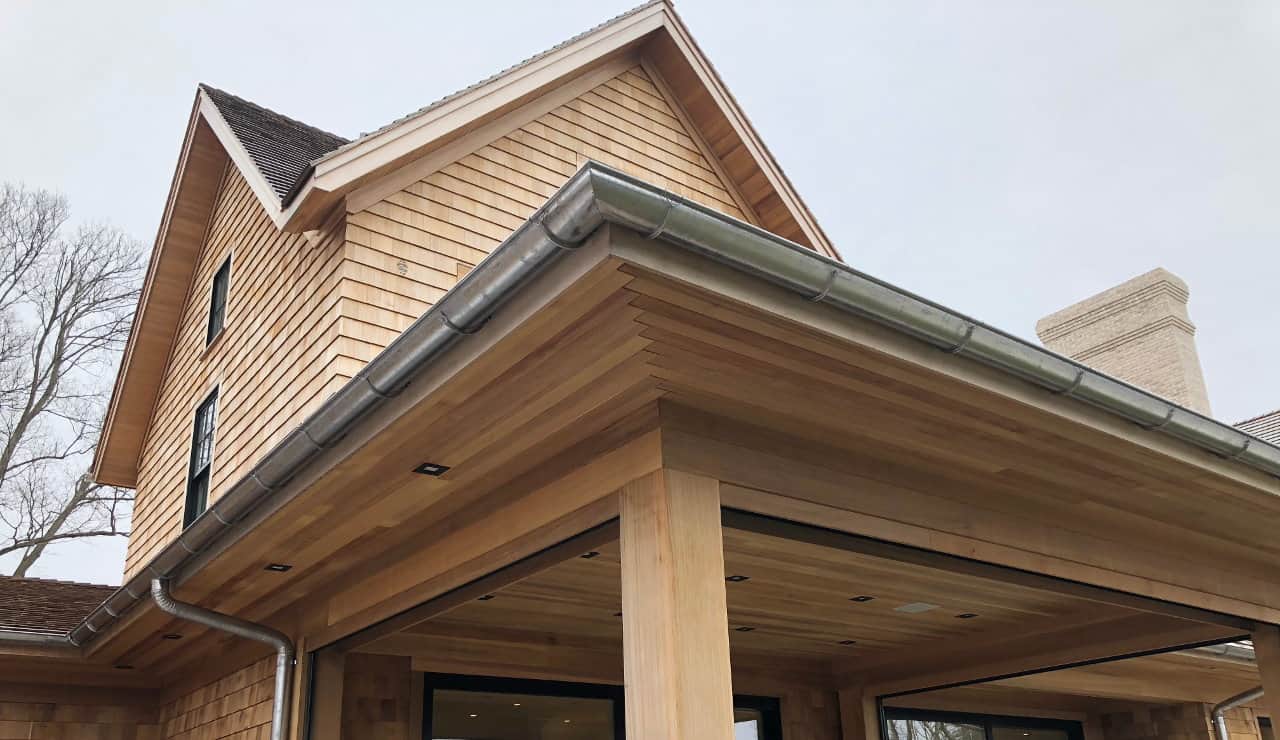
Wind-damaged eavestroughs: The same winds that tear shingles often damage eavestrough systems—bending sections, separating seams, or knocking downspouts loose. If your insurance claim focuses only on roof damage while ignoring connected eavestrough problems, you may leave critical issues unaddressed.
Ice dam formation: Roof damage that allows warm air to escape accelerates ice dam formation along eavestroughs. Ice dams can tear eavestrough systems from fascia boards and force water back under roofing materials. The resulting damage may span multiple systems, complicating insurance claims.
Flashing failures: Storm damage to roof flashing often occurs where the roof meets eavestrough systems. If flashing separates from fascia boards, water can infiltrate behind eavestrough systems, rotting fascia and soffit—damage that extends your claim beyond simple roof repairs.
Why This Matters for Claims
When filing insurance claims after storm events, homeowners should document all exterior damage comprehensively:
- Photograph roof damage from multiple angles
- Document eavestrough denting, separation, or displacement
- Record downspout damage or disconnection
- Note any fascia or soffit damage near roof/eavestrough connections
- Capture evidence of water infiltration or interior damage
Incomplete documentation may mean inadequate compensation. If you claim only roof damage but eavestrough repairs are equally necessary, you’ll pay out-of-pocket for drainage system fixes that should have been included in the original claim.
Toronto-Specific Insurance Considerations
Ontario’s insurance landscape and Toronto’s climate create unique considerations for roof repair coverage.
Policy Types and Coverage Levels
Most Ontario homeowners have one of two basic policy types:
Comprehensive/All-Risk Policies: Cover all perils except those specifically excluded. These typically provide broader roof damage coverage but cost more in premiums.
Named Perils Policies: Cover only specifically listed events. These policies are more restrictive but offer lower premiums. Homeowners with named perils coverage must verify their policy explicitly covers the type of damage they’ve experienced.
The Roof Age Factor
Many Ontario insurers now implement age-based coverage limitations:
Full replacement cost: Typically available for roofs under 15 years old. If storm damage destroys your relatively new roof, insurance pays to replace it entirely.
Depreciated actual cash value: For roofs 15-20 years old, insurers may pay only depreciated value, meaning you’ll contribute to replacement costs based on the roof’s remaining useful life.
Limited or no coverage: Roofs over 20 years old may have limited coverage or require separate endorsements. Some insurers won’t cover very old roofs at all, requiring homeowners to replace them before policy issuance.
Before filing a claim, know your roof’s age and how your policy treats age-related depreciation.
Water Damage and Basement Flooding
Standard homeowner policies typically exclude sewer backup and overland flooding—but they usually cover water damage from roof leaks:
If a storm damages your roof, allowing rain to enter your home, interior water damage generally qualifies for coverage. However, if that roof damage also causes eavestrough overflow that floods your basement, the basement flooding may not be covered unless you have separate sewer backup or overland water coverage.
This distinction matters in Toronto, where sudden heavy rainfalls can overwhelm compromised drainage systems, creating ambiguity about water damage sources.
Steps to Take After Discovering Roof Damage
How you respond to roof damage affects both your immediate insurance claim and your long-term coverage.
Immediate Actions
Document everything: Take detailed photographs and videos of all damage before making any repairs. Capture close-ups of specific damage and wide shots showing overall scope.
Prevent further damage: Insurance policies require homeowners to mitigate damage. Cover holes with tarps, collect fallen shingles, and prevent water from entering your home. Save receipts for emergency materials—these costs often qualify for reimbursement.
Contact your insurance company promptly: Most policies require timely notification. Delays can complicate claims or even result in denials.
Avoid permanent repairs before inspection: Emergency temporary measures are fine, but don’t replace your roof before your insurance adjuster evaluates the damage.
Working with Adjusters
When the insurance adjuster inspects your property:
Accompany them during inspection: Point out all damage, including less obvious issues like eavestrough impacts or fascia damage.
Ask questions: Understand what they’re evaluating and what coverage applies.
Request written estimates: Get detailed documentation of what the adjuster believes requires repair or replacement.
Consider independent assessment: If you disagree with the adjuster’s evaluation, you can hire an independent roofing contractor for a second opinion. Licensed, experienced contractors familiar with Toronto’s climate and building practices can identify damage adjusters might miss.
Professional Contractor Selection
Choose contractors carefully during the claims process:
Verify licensing and insurance: Ontario contractors must carry appropriate liability coverage and WSIB clearance.
Get multiple quotes: Insurance companies often require multiple estimates for larger claims.
Avoid “insurance specialists”: Be wary of contractors who claim special relationships with insurance companies or offer to “handle your claim.” You should manage your own claim with professional support, not surrender control to contractors.
Consider drainage expertise: If storm damage affected both your roof and drainage systems, work with contractors who understand how these systems interact. Roofing-only specialists may overlook eavestrough and downspout damage that belongs in your claim.
When to Pay Out-of-Pocket vs. Filing Claims
Not every roof problem warrants an insurance claim. Understanding when to file claims protects your long-term insurability.
The Claims History Factor
Multiple claims within a few years can:
- Increase your premiums significantly
- Result in policy non-renewal
- Make it difficult to find affordable coverage with other insurers
- Trigger higher deductibles for future claims
Small Repairs vs. Major Damage
Consider your deductible and claim history before filing:
Pay yourself: Minor repairs costing less than or near your deductible (typically $1,000-$2,500 for Ontario homeowners). Small eavestrough repairs, replacing a few shingles, or fixing minor flashing issues often cost less than deductible amounts.
File a claim: Significant damage from storms, falling trees, or fire. Major repairs costing several thousand dollars above your deductible justify claims despite potential premium impacts.
Preventive maintenance: Regular eavestrough cleaning, routine inspections, and small proactive repairs prevent larger problems and keep you from needing to file claims for preventable damage.
Protecting Your Home and Coverage
Understanding insurance coverage is just one aspect of protecting your roofing and drainage investment. Prevention through proper maintenance remains the most cost-effective approach.
Regular professional inspections can identify developing problems before they become insurance-worthy catastrophes or maintenance failures that void coverage. For Toronto homeowners, this means annual roof inspections and twice-yearly eavestrough system evaluations—particularly after severe weather events.
The connection between your roof and drainage systems means a comprehensive exterior evaluation provides the best protection. Contractors who understand how roof water management, eavestrough function, and foundation protection work together can identify problems that single-focus specialists might miss.
At Ontario Downspout Service, we approach roof-related drainage issues from a water management perspective. Our experience with residential exterior systems in the GTA means we can assess storm damage comprehensively—evaluating not just roof impacts but how damage affects your complete drainage infrastructure. Whether you’re documenting damage for an insurance claim or planning preventive maintenance to avoid future claims, we can help you understand the full scope of your exterior system condition.
Need help assessing roof or drainage damage for an insurance claim? Contact Ontario Downspout Service for a thorough exterior evaluation that documents all storm impacts to your roof, eavestrough, and drainage systems. We’ll provide the detailed assessment you need for accurate claims and long-term protection.