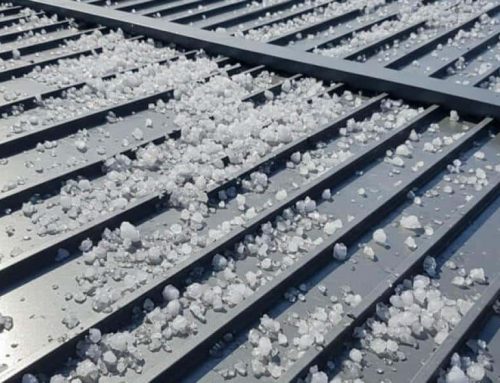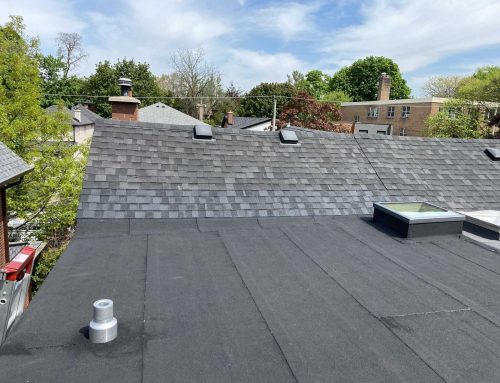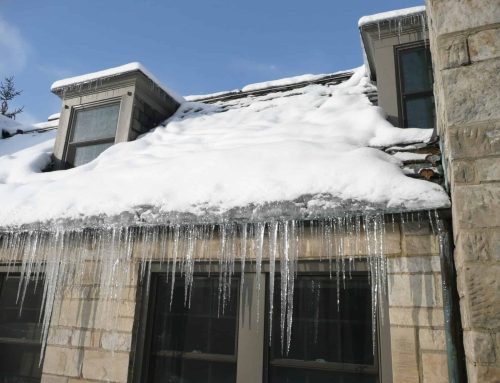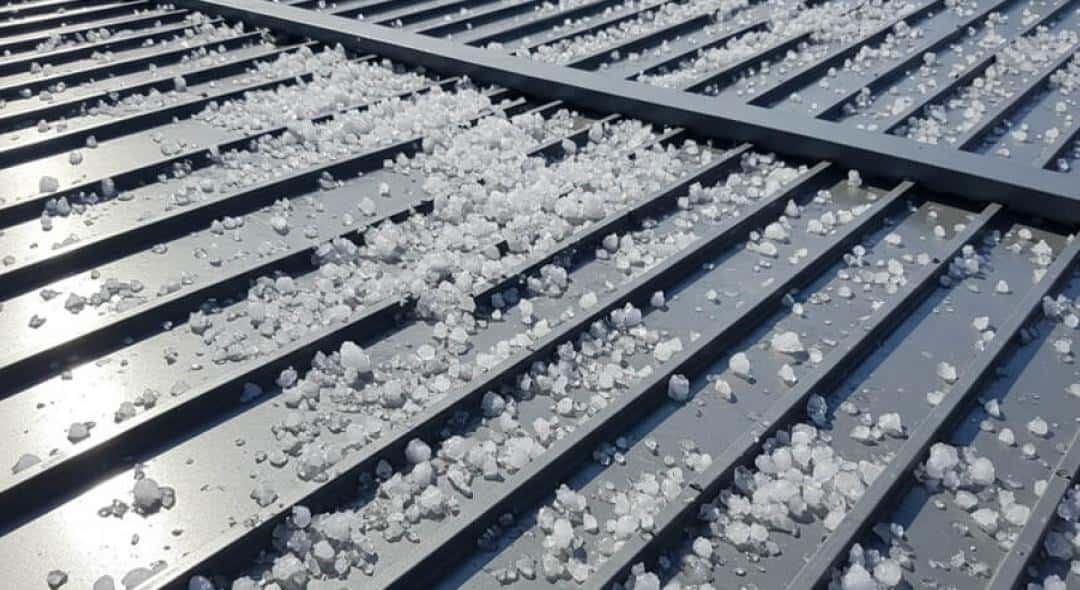

When dark clouds roll in and the first pellets of ice start pinging off your car, the last thing you want to worry about is whether your roof can handle the onslaught. Hail damage to roofing systems costs Canadian homeowners millions of dollars annually, with storms capable of destroying shingles, cracking tiles, and creating entry points for water damage that can compromise your entire home. While we can’t control the weather, we can make informed decisions about the materials that protect our most valuable investment.
Understanding Hail Threats in the Greater Toronto Area
The GTA experiences its fair share of severe weather events, and hailstorms are becoming increasingly common. According to Environment Canada data, Southern Ontario sees several significant hail events each year, with ice pellets ranging from pea-sized to golf ball-sized or larger. The months of May through September present the highest risk, when warm, humid air masses collide with cold fronts sweeping across the Great Lakes region.
What makes hail particularly destructive to roofing systems isn’t just the size of the ice chunks, but also the velocity at which they strike. Large hailstones can fall at speeds exceeding 100 km/h, delivering significant impact force to whatever surface they hit. For Toronto homeowners, this means choosing roofing materials that can withstand these periodic assaults is not just a matter of preference—it’s a smart investment in long-term home protection.
The Insurance Bureau of Canada has noted a marked increase in severe weather claims across Ontario, with hail damage representing a significant portion of roof repair and replacement costs. Understanding which materials offer the best protection can save you thousands in repairs and insurance headaches down the road.
How Hail Resistance Is Measured
Before diving into specific materials, it’s important to understand how the roofing industry measures hail resistance. The industry standard is the UL 2218 impact resistance rating system, which classifies roofing materials into four classes:
Class 1: Withstands impacts from 1.25-inch diameter steel balls Class 2: Withstands impacts from 1.5-inch diameter steel balls Class 3: Withstands impacts from 1.75-inch diameter steel balls Class 4: Withstands impacts from 2-inch diameter steel balls (the highest rating)
Class 4 rated materials offer the best protection against hail damage and often qualify homeowners for insurance discounts. When selecting roofing materials for your Toronto home, looking for products with higher impact resistance ratings can provide peace of mind and potential cost savings.
Top Hail-Resistant Roofing Materials for Toronto Homes
Impact-Resistant Asphalt Shingles
Impact-resistant asphalt shingles have become increasingly popular among Toronto homeowners, and for good reason. These enhanced shingles incorporate a modified asphalt formula and a specialized rubberized backing that helps them absorb impact without cracking or tearing. Many premium brands now offer Class 4 rated products that look identical to traditional architectural shingles but provide significantly better protection.
The advantages for GTA homeowners include familiar installation methods that most roofing contractors are experienced with, a wide variety of colors and styles to match any architectural aesthetic, and competitive pricing compared to other impact-resistant options. Quality impact-resistant asphalt shingles typically carry warranties of 30 to 50 years and can withstand the freeze-thaw cycles common in Ontario’s climate.
When selecting impact-resistant shingles, look for products specifically rated for Class 4 impact resistance and ensure your roofing contractor is familiar with proper installation techniques. Proper installation is crucial—even the best materials won’t perform as designed if not installed correctly.

Metal Roofing Systems
Metal roofing has gained significant traction in the Toronto area, partly due to its excellent hail resistance. Steel, aluminum, and copper roofing systems naturally deflect hail impacts better than many other materials. When hail strikes a metal roof, it may cause cosmetic denting but rarely creates functional damage or punctures that lead to leaks.
Modern metal roofing comes in various profiles, from standing seam to metal shingles that mimic the appearance of traditional roofing materials. For Toronto’s climate, metal roofing offers additional benefits beyond hail resistance, including excellent snow shedding capabilities, superior longevity (often 50+ years), and energy efficiency that can reduce cooling costs during hot summer months.
The gauge of the metal matters—thicker gauges (lower numbers) provide better resistance to denting. For the GTA, a 26 to 29 gauge steel roof offers an excellent balance of durability and cost-effectiveness. While the upfront cost of metal roofing is typically higher than asphalt shingles, the extended lifespan and minimal maintenance requirements often make it a cost-effective choice over the long term.
Slate and Synthetic Slate
Natural slate has protected European buildings for centuries, and it’s equally capable of withstanding Ontario weather conditions. Slate is exceptionally hard and dense, making it one of the most hail-resistant natural roofing materials available. Quality slate roofing can last 100 years or more and maintains its appearance beautifully over time.
However, natural slate comes with considerations specific to Toronto homes. The material is heavy, requiring structural support that not all homes possess without reinforcement. The installation requires specialized expertise, and the cost is substantially higher than most alternatives. For heritage homes or homeowners seeking the ultimate in longevity and hail protection, slate remains an excellent choice.
Synthetic slate products have emerged as an alternative, offering the appearance of natural slate with enhanced impact resistance and reduced weight. These composite materials often achieve Class 4 impact ratings while costing significantly less than natural slate. For Toronto homeowners who love the slate aesthetic but have budget or structural concerns, synthetic slate provides a compelling middle ground.
Clay and Concrete Tiles
Tile roofing, while less common in Toronto than in warmer climates, offers excellent hail resistance and distinctive aesthetic appeal. Modern concrete tiles, in particular, can achieve Class 4 impact ratings and handle the freeze-thaw cycles of Ontario winters when properly manufactured and installed.
Concrete tiles designed for cold climates incorporate air entrainment that allows them to expand and contract without cracking. They’re exceptionally durable against hail impacts, often showing minor chips at most when struck by large hailstones. The weight and installation complexity similar to slate means they’re not suitable for every home, but for those who can accommodate them, tiles offer 50+ years of reliable protection.
Local Considerations for Toronto Homeowners
Climate Compatibility
Choosing hail-resistant materials for the GTA means considering more than just impact resistance. Your roofing material must also handle dramatic temperature swings, heavy snow loads, ice damming potential, and the moisture associated with lake-effect weather patterns. The best roof repair strategy considers all these factors together.
Materials with high freeze-thaw resistance are essential. This means choosing products specifically rated for cold climates and ensuring your roofing contractor understands proper installation techniques for Ontario conditions. Proper attic ventilation and insulation work hand-in-hand with quality roofing materials to prevent ice dam formation, which can cause damage regardless of your shingle’s hail rating.
Insurance Implications
Many insurance providers in Ontario offer premium discounts for homes with impact-resistant roofing. The savings can be substantial—typically 10% to 30% on the dwelling portion of your policy. When obtaining quotes from a roofing contractor, ask about impact resistance ratings and request documentation you can provide to your insurance company.
Keep in mind that insurance discounts often require Class 4 rated materials and may need verification from your roofing contractor. The long-term insurance savings can offset a portion of the higher upfront cost of premium materials, making them even more attractive from a financial perspective.
Building Code Compliance
Toronto building codes don’t specifically mandate hail-resistant roofing, but they do require roofing systems to meet certain wind resistance and fire rating standards. Any reputable roofing contractor should ensure your new roof meets or exceeds all applicable codes. When upgrading to hail-resistant materials, confirm that the products are approved for use in Ontario and that installation will comply with current building codes.
The Toronto Municipal Code and Ontario Building Code set minimum standards for roofing installations, including requirements for underlayment, ventilation, and fire resistance. Premium hail-resistant materials typically exceed these minimums, but proper installation remains critical to both performance and code compliance.
Making the Right Choice for Your Home
Selecting the ideal hail-resistant roofing material for your Toronto home involves balancing several factors: your budget, your home’s architectural style, structural capabilities, and long-term plans. While impact-resistant asphalt shingles offer the most accessible entry point for most homeowners, metal roofing, slate, and tile options provide enhanced durability for those willing to invest more upfront.
Consider requesting a professional roof inspection to assess your current system’s condition and your home’s structural capacity for different materials. An experienced roofing contractor can provide insights specific to your property and neighborhood, helping you make an informed decision that protects your investment for decades to come.
Climate change models suggest that severe weather events, including hailstorms, may become more frequent in Southern Ontario. Investing in hail-resistant roofing materials today isn’t just about protecting against current threats—it’s about future-proofing your home against increasingly unpredictable weather patterns.
Taking the Next Step
If you’re concerned about your roof’s ability to withstand the next hailstorm, or if you’ve already experienced damage from recent severe weather, a professional assessment is the logical next step. A thorough inspection can identify existing damage, evaluate your current system’s vulnerability, and provide you with options tailored to your specific needs and budget.
The greater Toronto area’s weather isn’t getting any more predictable, but your choice of roofing materials can provide certainty and peace of mind. Whether you’re planning a roof replacement or simply researching options for the future, understanding hail-resistant materials empowers you to make decisions that protect your home and your family.
For Toronto homeowners ready to explore hail-resistant roofing options, consulting with an experienced local roofing contractor like Ontario Downspout Service who understands GTA weather patterns and building requirements is essential. They can assess your home’s specific needs, explain your material options in detail, and provide a clear path forward to enhanced protection and lasting peace of mind.