When downspouts can’t handle heavy rain, water backs up in your eavestrough system and overflows directly onto your foundation, leading to basement leaks, foundation damage, soil erosion, and potential structural problems. Undersized or overwhelmed downspouts create a bottleneck in your drainage system—water enters your gutters faster than the downspouts can discharge it, forcing overflow exactly where it causes the most damage. For Toronto homeowners facing increasingly intense storms, downspout capacity has become a critical concern. The 2×3-inch downspouts common on older homes simply can’t move the water volume that today’s heavy rainfall events deliver, putting foundations and basements at risk throughout the GTA. Understanding what happens during downspout overload helps you recognize the warning signs and take action before minor drainage problems become major repair expenses.
The Chain Reaction of Downspout Overload
When downspouts can’t keep pace with water flow, a predictable and damaging sequence unfolds throughout your drainage system.
Stage One: System Backup
The problem begins when water enters your gutters faster than downspouts can discharge it:
Flow imbalance: During heavy rain, your roof sheds enormous water volumes into eavestroughs. When downspouts can’t handle this flow rate, water accumulates in the gutter channels.
Rising water levels: As downspouts struggle to keep up, water levels rise in your gutters. Properly sized gutters provide some buffer capacity, but this fills quickly when downspouts create bottlenecks.
Backup at downspout openings: You may notice water bubbling or backing up at downspout entrances—a clear sign that these discharge points can’t handle the volume your roof delivers.
Stage Two: Eavestrough Overflow
Once gutters fill beyond capacity, overflow becomes inevitable:
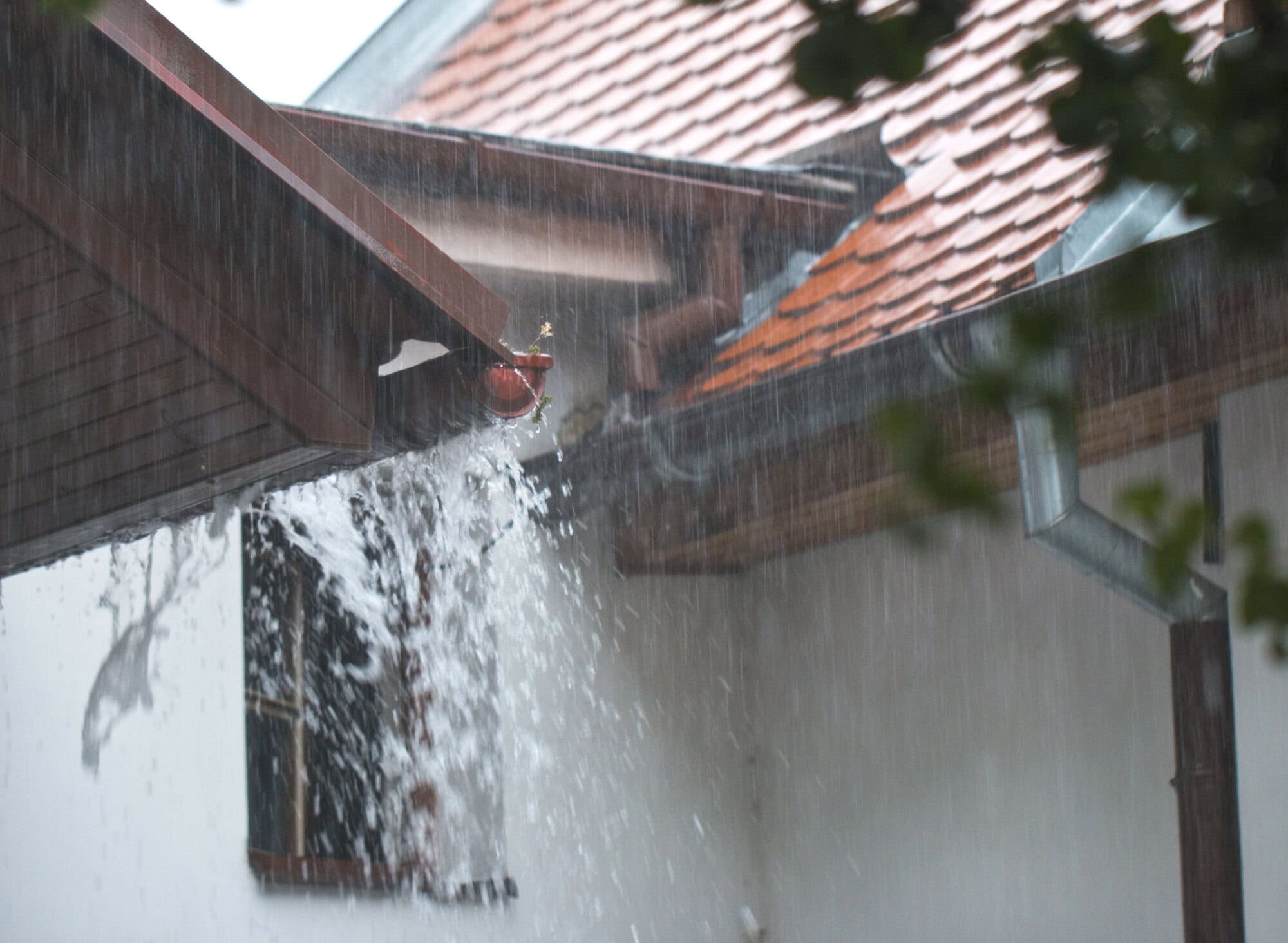
Overflow at weak points: Water spills over gutter edges at the lowest points or where slight sagging exists. This overflow typically occurs at random locations rather than controlled discharge points.
Foundation-zone discharge: Critically, this overflow pours directly down your home’s exterior walls and onto the soil immediately beside your foundation—exactly where water causes maximum damage.
Concentrated waterfalls: Rather than distributing water through multiple downspouts, overflow creates concentrated waterfalls that saturate specific foundation zones intensely.
Stage Three: Foundation Saturation
Overflow water immediately threatens your foundation:
Rapid soil saturation: Concentrated overflow saturates the soil around your foundation faster than it can absorb or drain away, particularly in the GTA’s clay-heavy soil.
Hydrostatic pressure buildup: Saturated soil creates pressure against foundation walls, forcing water through any available opening—cracks, cove joints, or porous concrete.
Basement infiltration: This pressure drives water into basements through foundation walls, floor-wall joints, and other vulnerable points.
Stage Four: Cascading Damage
Without intervention, the damage spreads:
Progressive foundation deterioration: Repeated saturation cycles damage concrete and mortar, widening cracks and creating new infiltration points.
Structural implications: Long-term saturation can affect soil bearing capacity, potentially leading to foundation settlement and structural problems throughout your home.
Secondary damage: Water infiltration causes mold growth, damages finished basements, ruins stored belongings, and creates ongoing moisture problems.
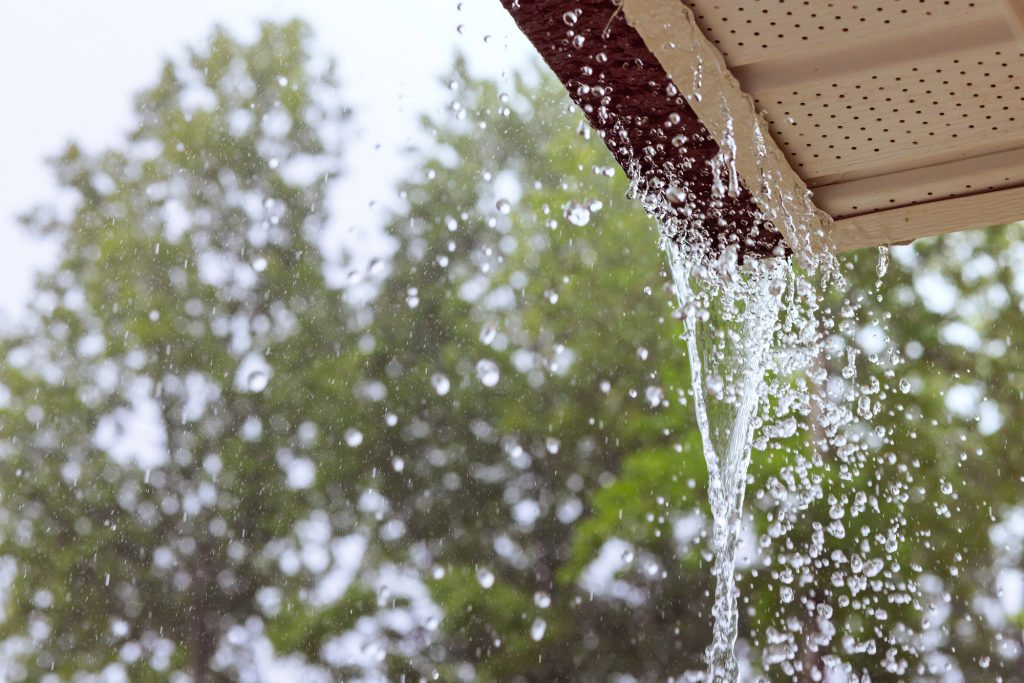
Why Downspouts Become Overwhelmed in Toronto
Several factors combine to create downspout capacity problems specific to the Greater Toronto Area.
Increasing Storm Intensity
Toronto’s changing climate creates demands that older downspout systems weren’t designed to handle:
Higher rainfall rates: The GTA increasingly experiences storms delivering 30-50mm of rain in short periods. Downspouts sized for historical rainfall patterns can’t manage these intense events.
Convective summer storms: July and August thunderstorms produce sudden, high-volume rainfall that overwhelms standard downspouts within minutes.
Flash flooding events: Recent years have seen several significant flash flooding events in Toronto, demonstrating how quickly drainage systems can be overwhelmed.
Undersized Standard Downspouts
Many Toronto homes have downspouts inadequate for current conditions:
The 2×3-inch problem: Standard 2×3-inch downspouts—common on older Toronto homes—have limited capacity. These small downspouts create bottlenecks that cause backup and overflow during heavy rain.
Capacity limitations: A standard 2×3-inch downspout handles significantly less water than a 3×4-inch downspout. During intense rainfall, this capacity difference determines whether your system functions or overflows.
Mismatched components: Some homes have adequate gutters paired with undersized downspouts, creating bottlenecks that compromise the entire system’s performance.
Insufficient Downspout Quantity
Even properly sized downspouts overflow if there aren’t enough:
Long gutter runs: Eavestrough runs exceeding 30-40 feet require multiple downspouts. Homes with insufficient downspouts concentrate too much water through too few discharge points.
Complex roof geometry: Toronto’s diverse housing stock includes homes with complex roof lines, multiple valleys, and large surface areas that demand adequate downspout quantity to manage concentrated water flow.
Addition oversights: Home additions sometimes increase roof area without corresponding downspout additions, overwhelming the existing system.
Blockages and Restrictions
Downspout function degrades when flow is restricted:
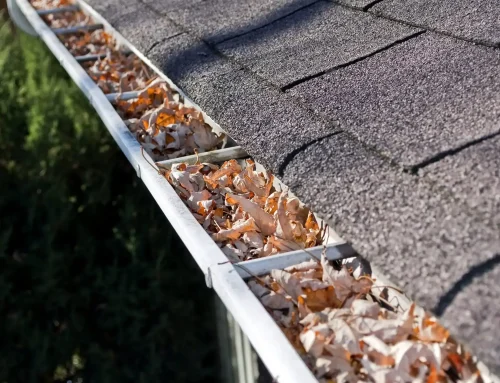
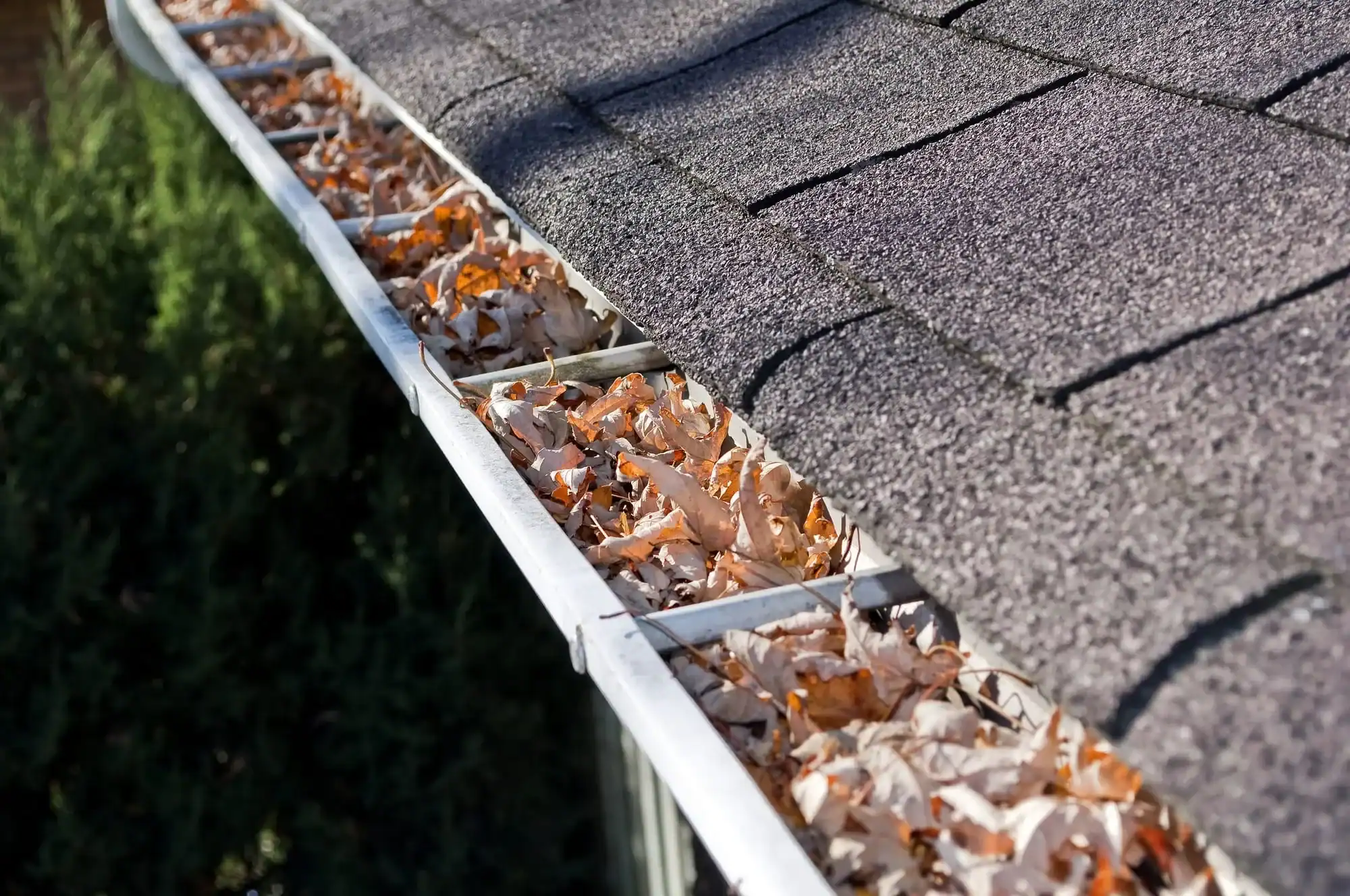
Internal debris: Leaves, granules, and organic matter settle in downspouts—particularly at elbows—restricting flow and reducing effective capacity.
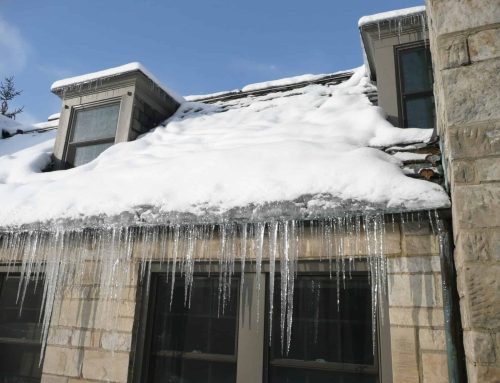
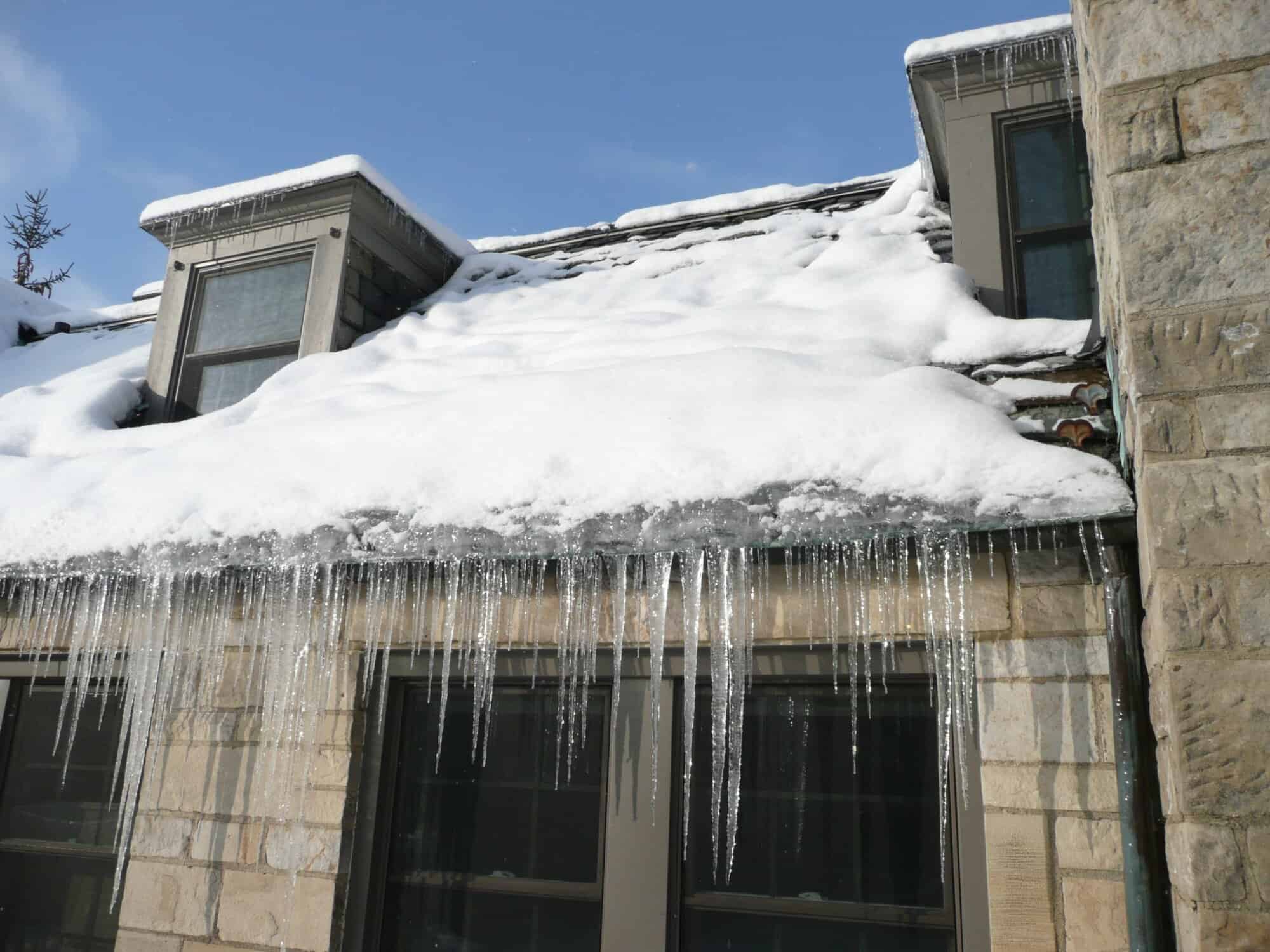
Ice formation: Winter ice in downspouts creates blockages that force overflow during thaw periods.
Damage and crushing: Dented or crushed downspout sections reduce flow capacity, contributing to backup and overflow.
Recognizing the Warning Signs
Identifying downspout capacity problems early allows you to address them before serious foundation damage occurs.
During Rainfall
Water backing up at downspout openings: If you see water bubbling or backing up where gutters connect to downspouts, your downspouts can’t handle the flow volume.
Overflow during moderate rain: Gutters overflowing during normal rainfall—not just extreme storms—indicate serious capacity problems.
Waterfalls from gutters: Water cascading over gutter edges, particularly during heavy rain, signals that downspouts can’t discharge water fast enough.
Geysers at downspout bases: Water erupting from downspout bases or elbow connections indicates blockages or capacity problems.
After Rainfall
Pooling near foundations: Standing water within 6 feet of your foundation after rain indicates inadequate water management—either from overflow or insufficient discharge distance.
Erosion patterns: Channels or grooves in soil along your foundation show concentrated water flow from gutter overflow.
Foundation staining: Vertical water stains on your home’s exterior below gutter lines indicate repeated overflow.
Basement moisture: Dampness or water infiltration following heavy rain often correlates directly with downspout capacity problems.
Ongoing Indicators
Recurring basement leaks: Basement moisture that appears specifically after heavy rains suggests your drainage system can’t handle storm volume.
Frequent gutter overflow: If overflow happens regularly during heavy rain, your downspout system is inadequate.
Ice dam formation: Winter ice dams sometimes indicate inadequate drainage capacity preventing proper meltwater flow.
Solutions for Inadequate Downspout Capacity
Addressing downspout capacity problems protects your foundation and eliminates the overflow that threatens your home.
Upgrading Downspout Size
The most direct solution is installing larger downspouts:
3×4-inch downspouts: Upgrading from standard 2×3-inch to 3×4-inch downspouts dramatically increases capacity. These larger downspouts move substantially more water, eliminating the bottlenecks that cause backup and overflow.
Capacity matching: Larger downspouts should pair with adequately sized gutters. 6-inch eavestroughs combined with 3×4-inch downspouts create a balanced system capable of handling Toronto’s intense rainfall.
Clog resistance: Beyond increased capacity, larger downspouts resist clogging better than narrow alternatives—debris that would block a 2×3-inch downspout passes through a 3×4-inch downspout more easily.
Adding Downspout Locations
Increasing downspout quantity distributes water flow:
Reducing run length: Adding downspouts shortens the distance water travels through gutters, reducing the volume each downspout must handle.
Strategic placement: Positioning downspouts at roof valleys and along long runs prevents any single location from being overwhelmed.
Balanced distribution: Multiple properly placed downspouts ensure no section of your drainage system exceeds capacity during heavy rain.
Comprehensive System Upgrades
Often, addressing downspout capacity requires evaluating your complete drainage system:
6-inch gutter systems: Larger gutters provide buffer capacity that complements increased downspout flow. The combination handles intense rainfall far better than standard systems.
At Ontario Downspout Service, we install 6-inch heavy-gauge aluminum eavestroughs paired with appropriately sized downspouts specifically because this combination prevents the backup and overflow that threaten foundations. We’ve seen how dramatically this integrated approach improves drainage performance during Toronto’s heaviest storms.
Proper discharge management: Larger downspouts must discharge water effectively away from foundations. Upgrades include extensions or underground drainage carrying water at least 6 feet from your home.
Complete integration: Effective solutions ensure gutters, downspouts, and discharge systems work together as a balanced system rather than addressing components in isolation.
Maintenance to Preserve Capacity
Even properly sized systems require maintenance to maintain capacity:
Regular cleaning: Keeping gutters and downspouts clear of debris preserves full flow capacity.
Downspout flushing: Periodically flushing downspouts clears internal blockages, particularly at elbows.
Winter monitoring: Preventing and addressing ice blockages maintains winter drainage function.
Connection checks: Ensuring downspouts remain properly connected and extensions stay in position preserves system function.
The Foundation Protection Connection
Understanding what happens when downspouts can’t handle heavy rain reveals why downspout capacity is fundamental to foundation protection. Your downspouts represent the discharge point for your entire roof drainage system—when they fail, the whole system fails, sending water directly against your foundation.
The progression from inadequate downspouts to foundation damage is predictable: backup leads to overflow, overflow saturates foundation soil, saturation creates hydrostatic pressure, and pressure forces water into your basement while progressively damaging your foundation. This cycle repeats with every heavy rainfall, causing cumulative damage that eventually requires expensive repairs.
The good news is that downspout capacity problems are entirely solvable. Whether through upgrading to larger 3×4-inch downspouts, adding downspout locations, or implementing comprehensive drainage improvements, you can ensure your system handles even Toronto’s most intense storms.
For Toronto homeowners, addressing downspout capacity isn’t optional maintenance—it’s essential foundation protection. The GTA’s clay soil, freeze-thaw cycles, and increasingly intense rainfall create conditions where inadequate downspouts quickly lead to foundation and basement problems.
At Ontario Downspout Service, ensuring downspouts can handle Toronto’s heavy rain is central to our drainage expertise. Our decade-plus experience throughout the GTA has shown us exactly what happens when downspout capacity falls short—and how to prevent these problems through proper system design. We pair our 6-inch heavy-gauge aluminum eavestroughs with appropriately sized downspouts because we understand that foundation protection requires every component handling its share of the water load.
We’ve helped thousands of Toronto homeowners eliminate the backup and overflow that threatens foundations, replacing inadequate systems with properly sized drainage infrastructure that performs reliably even during the heaviest storms.
Worried your downspouts can’t handle Toronto’s heavy rain? Contact Ontario Downspout Service for a comprehensive drainage assessment. We’ll evaluate your downspout capacity, identify bottlenecks and vulnerabilities, and recommend solutions that ensure your system handles even the most intense rainfall—keeping your foundation protected and your basement dry.
Ontario Downspout Service is a licensed, insured, and 10-time Best of Homestars award-winning residential drainage specialist serving Toronto and the GTA. We provide expert downspout, eavestrough, and drainage solutions designed to handle heavy rainfall and protect your foundation throughout the Greater Toronto Area.