For Toronto and GTA homeowners, winter preparation is one of the most important maintenance tasks of the year. The freeze-thaw cycles, heavy snow, and ice accumulation that define Toronto winters put tremendous stress on drainage systems—and eavestroughs that aren’t properly prepared can lead to ice dams, roof damage, and foundation problems. Taking time to inspect, clean, and repair your drainage system before the first freeze protects your home through the harshest months and prevents the costly damage that winter reveals in neglected systems.
To prepare eavestroughs and downspouts before winter, homeowners should thoroughly clean out all debris, inspect for damage and complete necessary repairs, ensure downspouts direct water away from the foundation, and address ice dam risks through proper attic ventilation and heating cables where needed.
Why Winter Preparation Matters in Toronto
Toronto’s winters create unique challenges that make eavestrough and downspout preparation essential rather than optional.
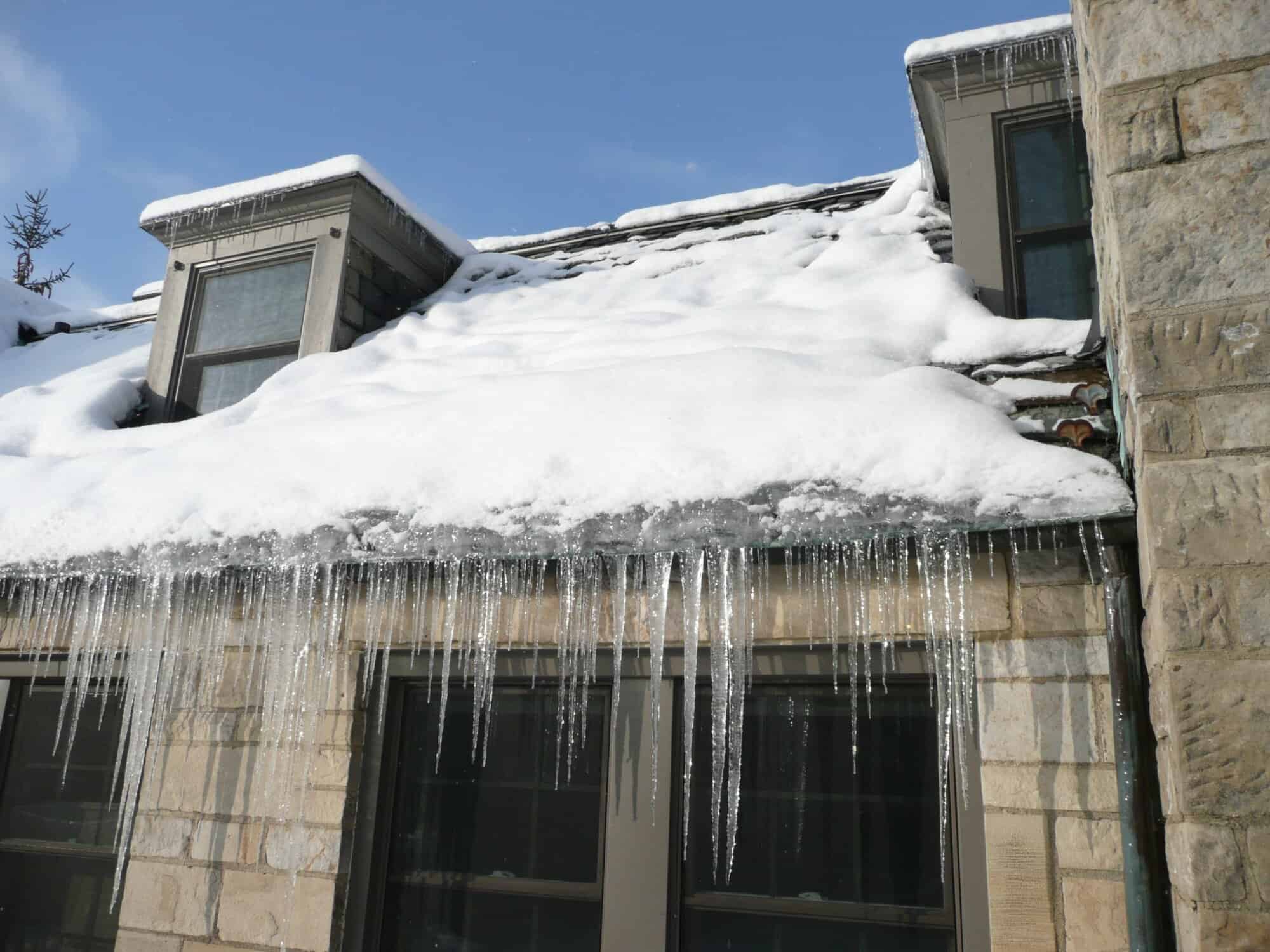
Unlike milder climates where gutters simply channel occasional rain, Toronto’s drainage systems must handle snow accumulation, ice buildup, and repeated freeze-thaw cycles throughout the season. Water that remains in clogged or poorly draining eavestroughs freezes, expands, and creates the conditions for serious problems—from ice dams that force water under shingles to the weight of ice that tears eavestroughs from fascia boards.
The consequences of inadequate winter preparation extend well beyond the eavestroughs themselves. Ice dams cause roof leaks that damage interior spaces. Frozen, overflowing water saturates foundations, leading to basement leaks during winter thaws. The stress of ice and snow damages drainage systems, requiring spring repairs that proper preparation would have prevented.
For GTA homeowners, investing a bit of effort before winter arrives prevents the cascade of problems that unprepared systems experience. The best time to prepare is autumn—after leaves have fallen but before temperatures drop below freezing.
Step One: Thorough Cleaning and Debris Removal
The foundation of winter preparation is completely clearing your eavestrough system of debris.
Why Fall Cleaning Is Critical
Debris left in eavestroughs over winter creates serious problems:
Frozen blockages: Leaves, twigs, and organic matter that remain in gutters trap water. When this water freezes, it creates ice blockages that prevent proper drainage all winter long.
Ice dam contribution: Debris-blocked eavestroughs can’t channel meltwater away, contributing to the ice dam formation that damages roofs and drainage systems.
Added weight: Debris combined with ice and snow adds significant weight, stressing eavestrough mounting systems and potentially causing them to sag or separate from fascia boards.
Complete Cleaning Process
Thorough winter preparation cleaning includes:
Removing all debris: Clear every eavestrough channel completely, removing leaves, twigs, seeds, and accumulated organic matter.
Flushing downspouts: Run water through downspouts to verify they’re clear of internal blockages, paying particular attention to elbows where debris commonly accumulates.
Checking drainage flow: Confirm water flows freely through the entire system, from eavestrough channels through downspouts to discharge points.
Clearing discharge areas: Ensure downspout discharge points and extensions are clear so water can flow away from your foundation even in early winter conditions.
Toronto’s mature tree canopy makes complete debris removal especially important. A single large tree can deposit enough leaves to cause significant blockage, so homes surrounded by mature trees require particularly thorough cleaning before winter.
Step Two: Inspection and Repairs
With your system clean, a thorough inspection identifies problems that need repairs before winter stress reveals them.
What to Inspect
A comprehensive pre-winter inspection examines:
Mounting and support: Check that eavestroughs are securely fastened to fascia boards. Loose brackets or sagging sections will worsen under winter’s ice and snow weight.
Seams and joints: Examine sectional eavestrough seams for separation or leaks. Winter freeze-thaw cycles stress these joints, turning minor separations into significant leaks.
Downspout connections: Verify downspouts remain properly connected to eavestroughs and that all sections are secure.
Pitch and slope: Confirm eavestroughs maintain proper slope toward downspouts. Standing water from inadequate slope freezes and creates blockages.
Damage assessment: Look for dents, holes, rust, or deterioration that compromises function.
Fascia and soffit condition: Check the wood behind your eavestroughs for rot or damage that affects mounting integrity.
Completing Necessary Repairs
Address problems before winter arrives:
Resecuring loose sections: Tighten or replace mounting brackets to ensure eavestroughs can bear winter’s load.
Sealing leaks: Repair minor leaks and seam separations before freeze-thaw cycles worsen them.
Fixing pitch problems: Adjust sagging sections to restore proper drainage slope.
Addressing damage: Repair or replace damaged sections that compromise function.
Completing repairs in autumn prevents the emergency situations that arise when compromised systems fail during winter storms. Attempting repairs in freezing conditions is difficult and often impossible, making pre-winter attention essential.
Step Three: Optimizing Downspout Discharge
Proper downspout function is especially critical in winter, when foundation water problems combine with freezing conditions.
Winter Discharge Considerations
Downspout discharge requires special winter attention:
Extension positioning: Ensure downspout extensions direct water at least 6 feet from your foundation. Winter thaws produce meltwater that must flow away from your home to prevent foundation saturation and basement leaks.
Ice-prone areas: Position discharge away from walkways and driveways where water can freeze, creating dangerous ice and potential liability.
Clear pathways: Verify that discharge areas allow water to flow away rather than pooling and freezing near your foundation.
Splash block placement: Ensure splash blocks or extensions remain properly positioned to manage discharge throughout winter.
The Foundation Protection Connection
Winter downspout function protects against foundation damage:
During Toronto winters, periods of thaw produce significant meltwater. When downspouts direct this water away from foundations, they prevent the saturation that freezes and expands, creating pressure against foundation walls. Conversely, downspouts that discharge water near foundations contribute to the freeze-thaw damage that cracks foundations and causes basement leaks.
Ensuring proper discharge before winter—and monitoring it throughout the season—protects your foundation during one of the most vulnerable times of year.
Step Four: Addressing Ice Dam Risks
Ice dams represent one of the most serious winter threats to Toronto homes, making their prevention a key part of winter preparation.
Understanding Ice Dams
Ice dams form through a specific process:
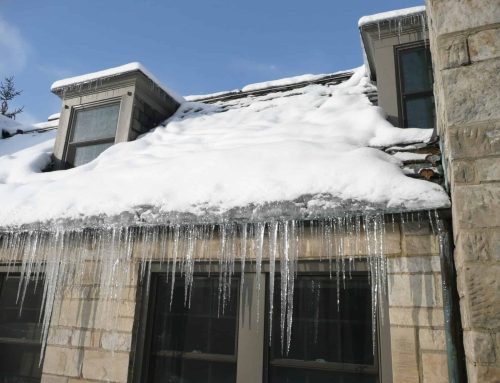
Heat escaping from your home warms the roof, melting snow on the upper roof surface. This meltwater flows down to the colder roof edge—above the unheated eaves—where it refreezes. As this cycle repeats, ice accumulates at the roof edge, creating a dam. Subsequent meltwater pools behind this dam and can back up under shingles, causing roof leaks and interior water damage.
Ice dams also damage eavestroughs directly, as the accumulating ice adds tremendous weight and can tear gutters from fascia boards.
Attic Ventilation and Insulation
The most effective ice dam prevention addresses the root cause:
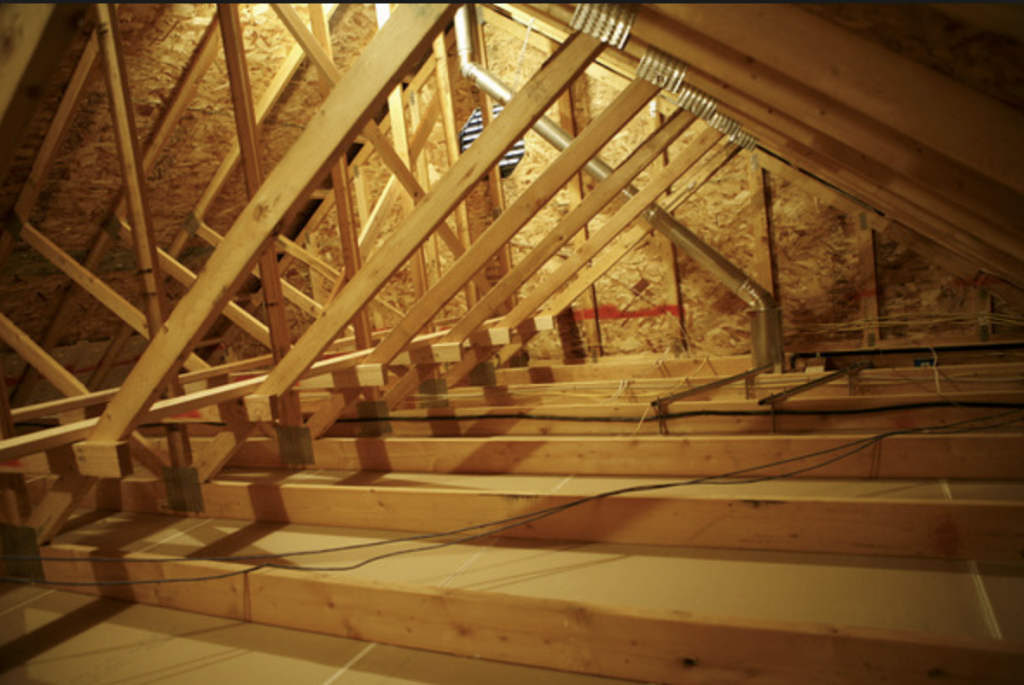
Attic ventilation: Proper attic ventilation keeps your roof deck cold, preventing the uneven melting that creates ice dams. Adequate ventilation allows cold air to circulate, maintaining consistent roof temperature.
Insulation importance: Sufficient attic insulation prevents heat from escaping into your attic and warming your roof. Together with ventilation, proper insulation maintains the cold roof conditions that prevent ice dam formation.
Addressing air leaks: Sealing air leaks that allow warm household air into your attic reduces the heat that causes problematic snow melt.
Evaluating your attic ventilation and insulation before winter helps prevent ice dams at their source, protecting both your roof and drainage system.
Heating Cables as Additional Protection
For homes prone to ice dams, heating cables provide supplementary protection:
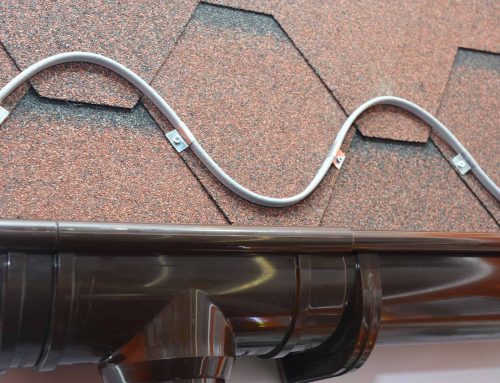
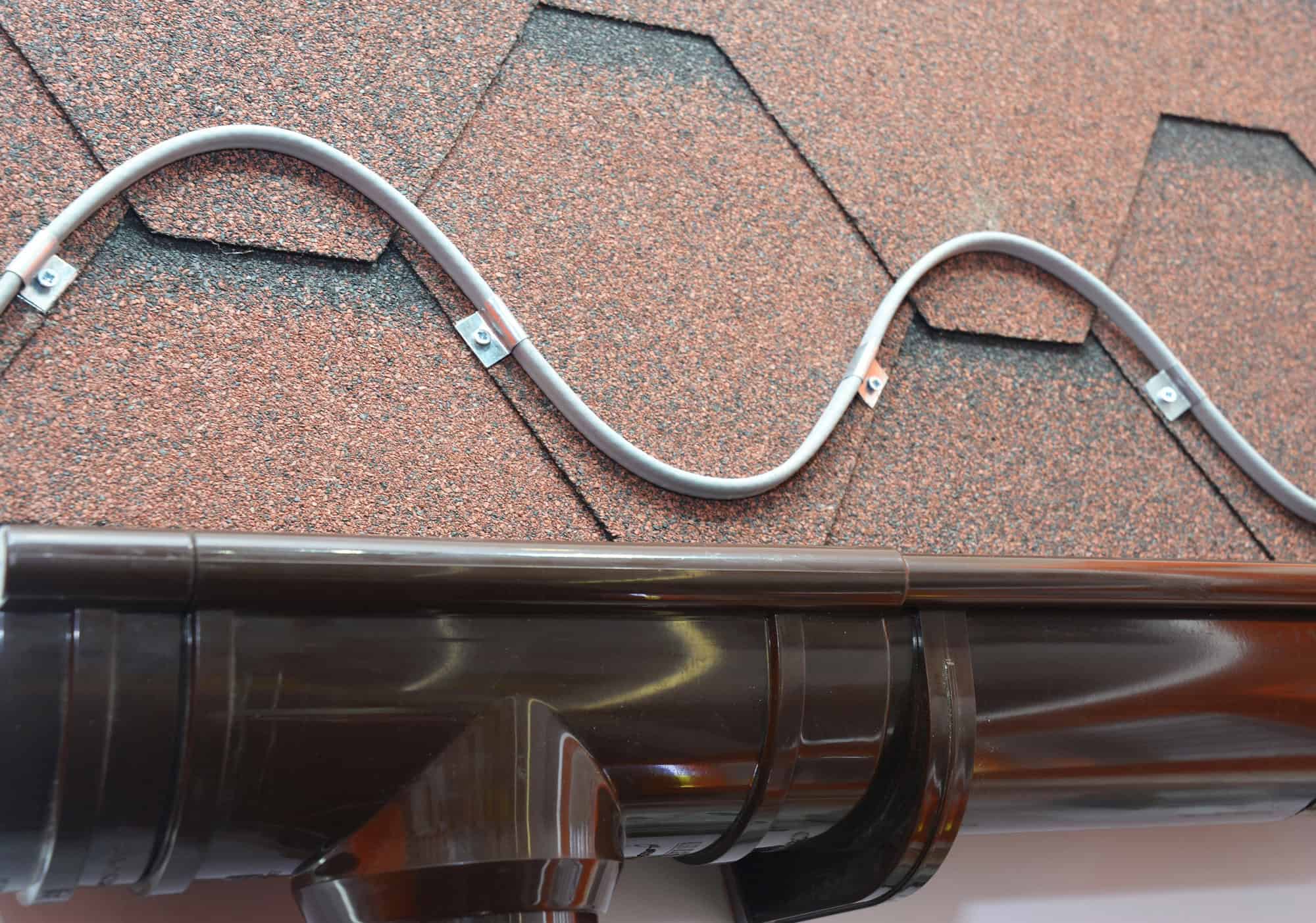
How heating cables work: Also called heat cables or de-icing cables, these systems install along roof edges and in eavestroughs and downspouts. When activated, they generate heat that melts channels through ice, allowing water to drain and preventing ice dam buildup.
Where heating cables help: Heating cables prove particularly valuable in problem areas—north-facing roof sections, valleys, and areas that have experienced ice dams in the past.
Eavestrough and downspout protection: Heating cables in eavestroughs and downspouts keep drainage channels open during freezing conditions, allowing meltwater to flow away rather than accumulating and freezing.
Professional installation: Proper heating cable installation ensures effective coverage and safe operation. Professional installation addresses the specific areas where your home experiences ice problems.
While heating cables address symptoms rather than the underlying cause, they provide valuable protection for homes with persistent ice dam issues or architectural features that make dams likely.
Step Five: Preventing Winter Roof Damage
Protecting your roof works hand-in-hand with drainage preparation to prevent winter water damage.
Roof and Drainage Coordination
Your roof and eavestroughs work together in winter:
Clearing roof debris: Remove leaves and debris from your roof that could contribute to drainage problems or trap moisture.
Checking roof condition: Address any existing roof damage before winter, as compromised roofing combined with ice dams creates serious leak risks.
Flashing inspection: Ensure flashing remains intact, particularly where roofs meet eavestroughs, to prevent water infiltration during winter.
Managing Snow Load
Winter snow requires consideration:
Eavestrough capacity: Properly functioning eavestroughs handle meltwater during thaw periods. Systems compromised by inadequate preparation can’t manage this water, contributing to ice problems.
Snow accumulation awareness: Excessive snow load stresses both roofs and eavestroughs. Being aware of accumulation helps you address dangerous buildup before it causes damage.
Safe snow management: If snow removal becomes necessary, safe practices protect both your roof and drainage system from damage.
Your Winter Preparation Checklist
A systematic approach ensures complete winter preparation:
Cleaning tasks:
- Remove all debris from eavestrough channels
- Flush downspouts to clear internal blockages
- Clear discharge areas and extensions
Inspection and repairs:
- Check mounting brackets and secure loose sections
- Inspect and seal seams and leaks
- Verify proper pitch toward downspouts
- Assess fascia and soffit condition
- Complete necessary repairs before freezing
Downspout optimization:
- Confirm extensions direct water 6+ feet from foundation
- Position discharge away from walkways
- Ensure clear drainage pathways
Ice dam prevention:
- Evaluate attic ventilation and insulation
- Consider heating cables for problem areas
- Address air leaks warming your roof
Roof coordination:
- Clear roof debris
- Address existing roof damage
- Inspect flashing integrity
Protecting Your Home Through Winter and Beyond
Preparing your eavestroughs and downspouts before winter represents essential protection for your Toronto home. The freeze-thaw cycles, heavy snow, and ice accumulation that define GTA winters demand drainage systems that are clean, well-maintained, and properly functioning. Taking time in autumn to inspect, clean, repair, and optimize your system prevents the ice dams, roof damage, and foundation problems that unprepared systems experience.
The interconnected nature of your home’s water management means winter preparation extends beyond just the eavestroughs. Proper attic ventilation and insulation prevent ice dams at their source. Heating cables provide additional protection where needed. Downspout discharge management protects your foundation during winter thaws. And roof condition coordinates with drainage function to prevent water infiltration. Addressing these elements together provides comprehensive winter protection.
For Toronto homeowners, the effort invested in winter preparation pays significant dividends. Systems prepared properly handle winter’s demands, protecting your roof, foundation, and interior from water damage. Neglected systems, by contrast, often reveal their problems through emergency situations during the coldest, most difficult months to address them.
At Ontario Downspout Service, we help GTA homeowners prepare their drainage systems for Toronto’s demanding winters. Our decade-plus experience with residential water management throughout the region means we understand exactly how winter stresses eavestroughs and downspouts—and what preparation prevents cold-weather problems. As drainage specialists, we approach winter preparation comprehensively, ensuring your complete system is ready to protect your home.
Whether you need a thorough pre-winter inspection, repairs to ready your system for freezing conditions, heating cable installation for ice dam protection, or upgrades to eavestroughs that can better handle winter’s demands, we provide the expertise that keeps Toronto homes protected. Our 6-inch heavy-gauge aluminum eavestrough systems handle winter’s meltwater and freeze-thaw cycles better than standard alternatives, providing superior protection through the harshest months.
Ready to prepare your drainage system for winter? Contact Ontario Downspout Service for a pre-winter inspection and assessment. We’ll evaluate your eavestroughs, downspouts, and ice dam risks, complete any necessary repairs, and ensure your system is ready to protect your home throughout Toronto’s winter season.
Ontario Downspout Service is a licensed, insured, and 10-time Best of Homestars award-winning residential drainage specialist serving Toronto and the GTA. We provide expert eavestrough and downspout inspection, repairs, and winter preparation that protect homes throughout the Greater Toronto Area.