
Yes, de-icing cable can be installed mid-winter, and plenty of it is. The honest answer comes with a condition: the roof edge, eavestrough and downspout have to be clear of ice before the cable goes on, because cable laid over or under existing ice cannot do its job. So on a roof that is already loaded, a mid-winter installation is often two pieces of work rather than one. It is entirely doable. It is simply easier, and involves less, if it happens in autumn.
Why the ice has to come off first
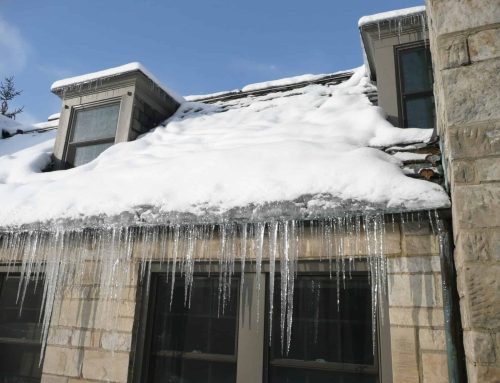
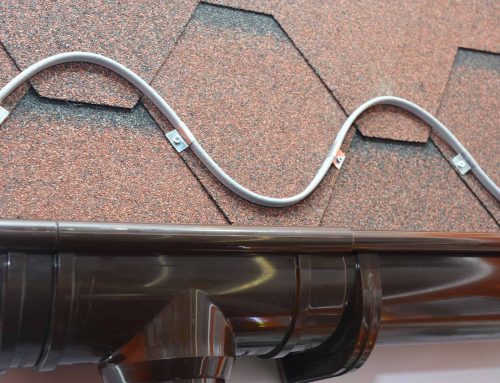
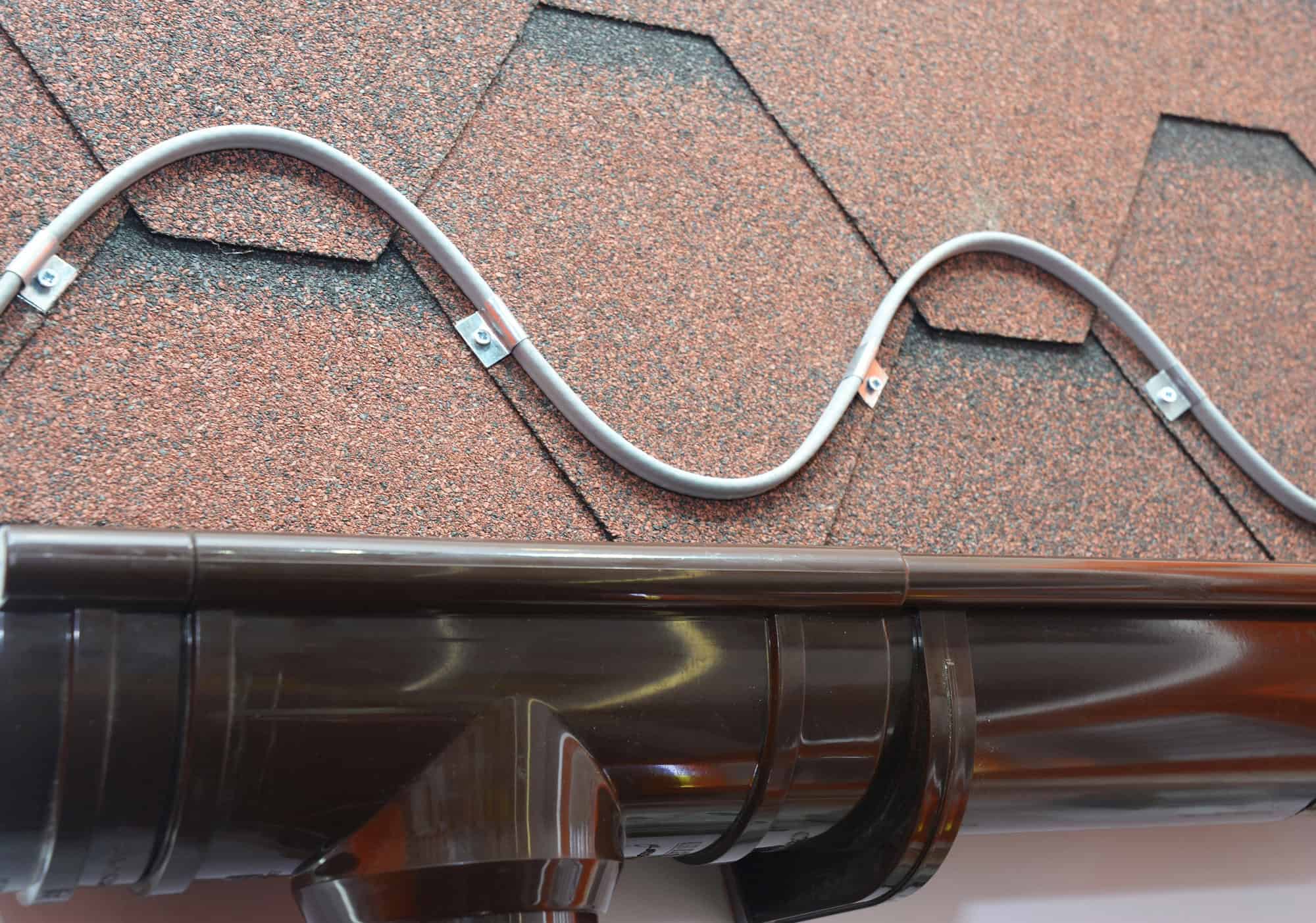
De-icing cable works by keeping a channel open so meltwater can leave. It melts a path through snow and light ice as it forms. It is not designed to melt through a solid block of ice that has been building for six weeks.
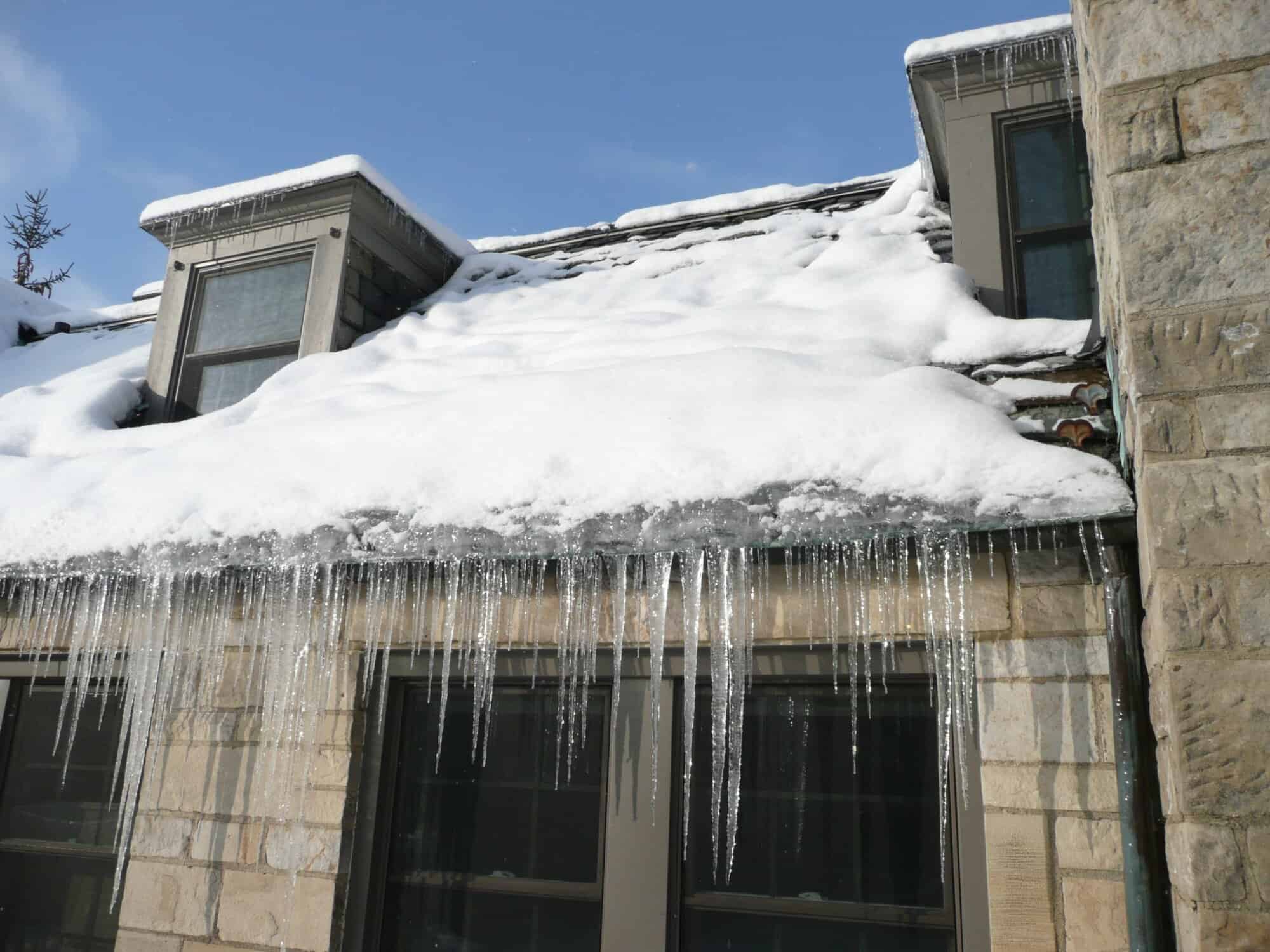
If cable is fastened over existing ice, two things go wrong. It ends up positioned wrong, because when the ice eventually goes the cable is no longer sitting where it needs to sit. And in the meantime it is trying to heat a mass far beyond what it was designed for, so the channel never opens.
If it is buried under ice, it cannot be properly fastened to the roof and trough in the first place.
So on a loaded roof the sequence is removal first, then installation. That usually means steam removal, which melts the ice without damaging shingles or troughs.
What else changes in winter
Access takes longer. Snow, ice and short daylight all slow the work, and safe setup on a slippery roof takes more time than it does in October.
Some fastening is harder. Clips and adhesives behave differently in the cold. This is manageable with the right methods but it affects how the job is approached.
The design has less room for error. In autumn we can see the whole roof and work out where water actually runs. Mid-winter, the ice itself tells you where the problem is, which is useful, but the rest of the roof is under snow.
Scheduling is tighter. Mid-winter is when everyone wants this done at once, usually right after the first big thaw.
When a mid-winter installation makes sense anyway
Waiting is not always the right call. It is worth doing now if:
- Water is already coming inside. Every further freeze-thaw cycle adds damage. This does not wait for spring.
- Ice is hanging over an entrance or walkway. That is a safety problem, and the ice needs removing regardless, so the cable may as well go on while the roof is clear.
- You are facing repeat removals. If the ice has already been cleared once this season and is building again, dealing with the cause beats clearing it a third time.
- The eavestrough is at risk. A trough loaded with ice is being pulled away from the fascia while it sits there.
It makes more sense to wait if the ice is cosmetic, nothing is leaking, nothing is overhead where people pass, and the system is still draining. In that case you have a clear, straightforward job in the autumn instead of a complicated one now.
What to do in the meantime
If you decide to wait, a few things reduce the risk through the rest of the season:
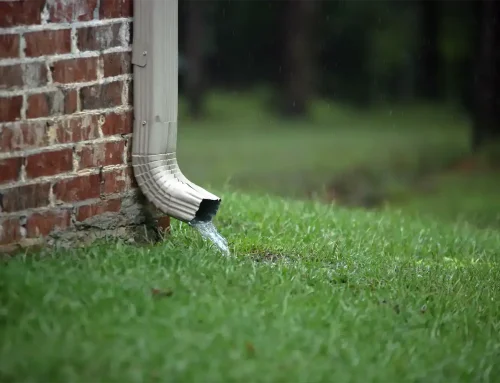
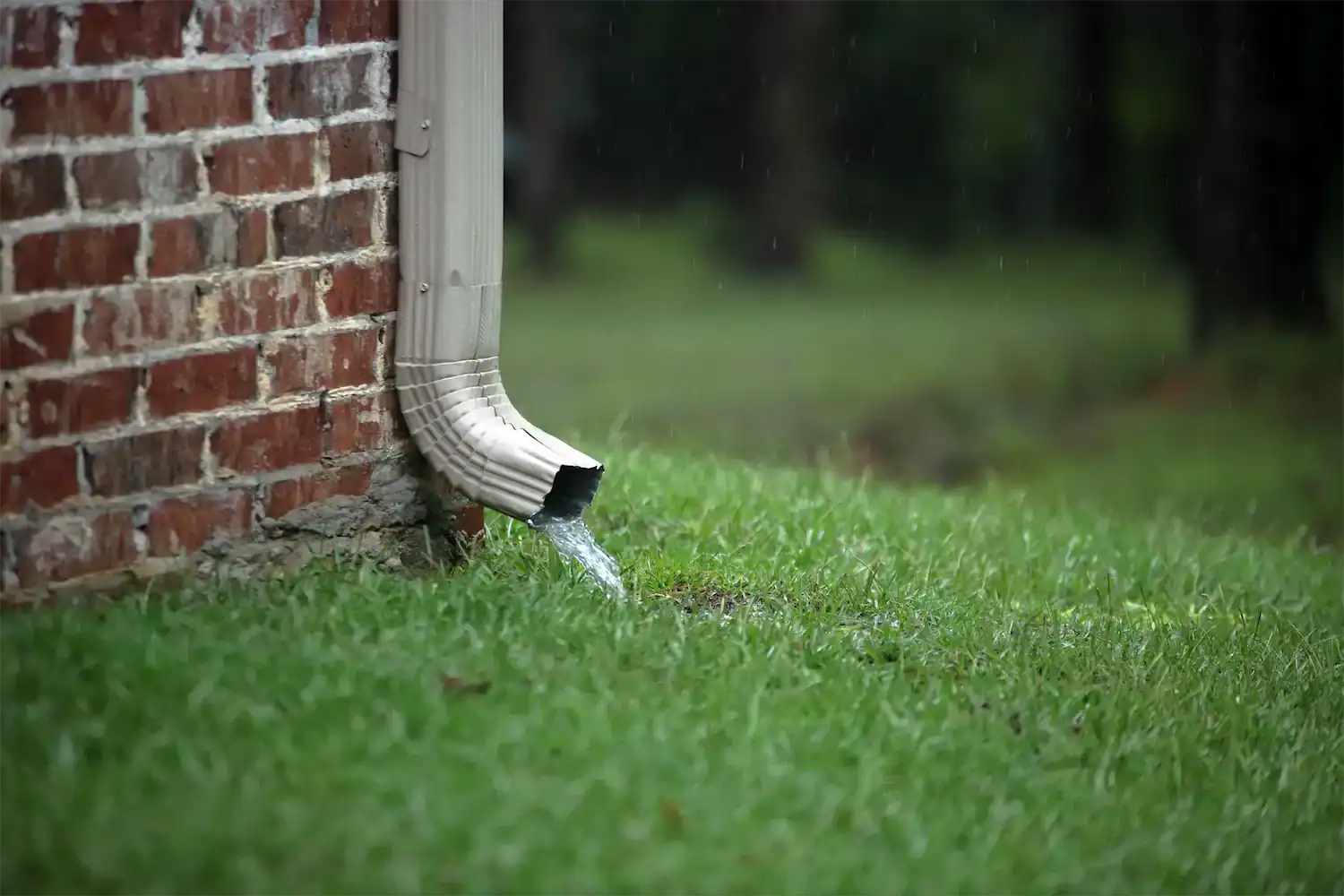
- Keep downspout outlets clear of shovelled snow. A buried outlet is the most common reason a downspout freezes solid, and it takes seconds to check.
- Pull snow off the lower roof with a roof rake from the ground, where that is practical, to reduce the meltwater feeding the edge.
- Watch ceilings and upper-floor walls during thaws rather than during rain. That is when ice dam leaks show.
- Note where the ice forms. Which corner, which valley, which side. It is genuinely useful information for designing the system later, and you will not remember by September.
- Do not chip at it and do not put salt in your eavestroughs.
Frequently asked questions
Can cable be installed in freezing temperatures?
Yes. The cable itself is built for cold, and installation happens in winter routinely. The limits are practical rather than technical: safe access, daylight, and a surface clear enough to fasten to.
How long does installation take?
It depends entirely on the roofline, the length of the runs and whether the downspouts are being included. The bigger variable mid-winter is whether ice removal is needed first, which can turn a single visit into two.
Can I just run cable on the roof edge and skip the downspouts?
You can, and it is a common shortcut that causes disappointment. Cable at the roof edge releases water that then has to go somewhere. If the eavestrough and downspout are still frozen, that water backs up and freezes a few inches lower. The system works when the whole path stays open, from roof edge through the trough, down the downspout and past the outlet.
Is it better to wait for spring and do it properly?
If nothing is leaking and nothing is overhead, autumn is the ideal time and there is no benefit to rushing. If water is coming in, waiting means several more months of damage to the same spot. The deciding factor is what is happening now, not the calendar.
Will the cable fix the underlying problem?
No, and it is worth being clear about that. De-icing cable manages a symptom by keeping the drainage path open. It does not change why snow is melting on your roof. On many homes, particularly where the roofline makes the cause impractical to fix, managing it is the right answer. But it should be a choice made knowingly. Our post on what causes ice dams covers the rest.
If it is already happening
If you have ice at your roof edge right now, the useful question is not whether it is the perfect time of year. It is whether what is happening is causing damage, and whether it is going to repeat before spring.
Ontario Downspout Service is a licensed and insured residential drainage specialist serving Toronto and the GTA. We can tell you honestly whether your situation needs dealing with now or whether it will keep until the autumn.