If water is getting into your home this winter, an ice dam is far more likely to be the cause than the weight of the snow itself. Snow sitting on a roof is usually harmless. Trouble starts when that snow melts, runs down to a cold roof edge, and refreezes into a ridge of ice that blocks everything behind it. The trapped water has nowhere to drain, so it backs up under the shingles and finds a way inside. Telling the two apart matters, because they call for completely different responses.
What snow on your roof actually does
A blanket of snow is mostly just weight, and homes in Toronto and the GTA are built to carry it. Snow is also a decent insulator, which is why an evenly snow-covered roof often looks untouched for weeks.
Snow becomes a problem in two situations. The first is genuine overload, usually after heavy wet snow followed by rain, and usually on flat or low-slope roofs where nothing sheds. The second is far more common: the snow starts melting unevenly, and that is where ice dams begin.
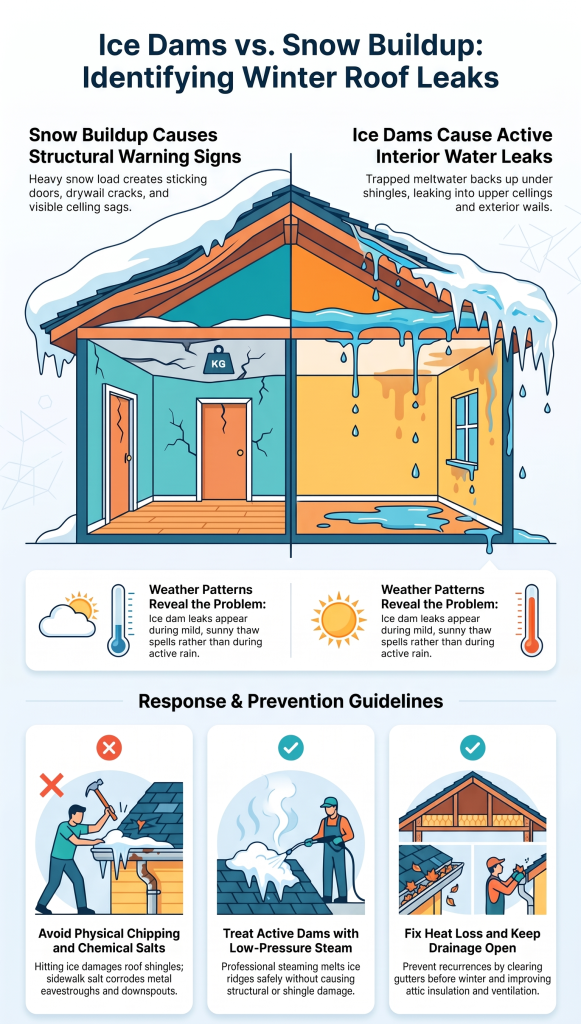
If your concern is the sheer amount of snow up there, the warning signs are structural rather than wet. Doors that suddenly stick, new cracks in interior drywall, or a visible sag in the ceiling. Those are reasons to call someone quickly. A stain spreading across a ceiling is a different problem.
What an ice dam is and why it leaks
Ice dams form when part of your roof is warmer than the rest. Heat escaping from the living space below warms the roof deck, and the snow sitting on that warm section melts from underneath. The meltwater runs down the slope until it reaches the roof edge, which hangs over open air and stays at outdoor temperature. There it refreezes.
Repeat that over a few days and the ice at the edge builds into a ridge. Now the meltwater coming down behind it has nowhere to go. It pools, works sideways and upward under the shingles, and eventually reaches the roof deck.
This is why ice dam leaks often appear nowhere near the roof edge. Water that gets under shingles travels before it drops.
How to tell which one you are dealing with
A few signs point clearly at an ice dam rather than snow load:
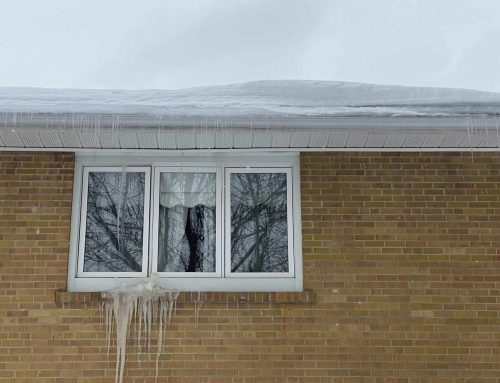
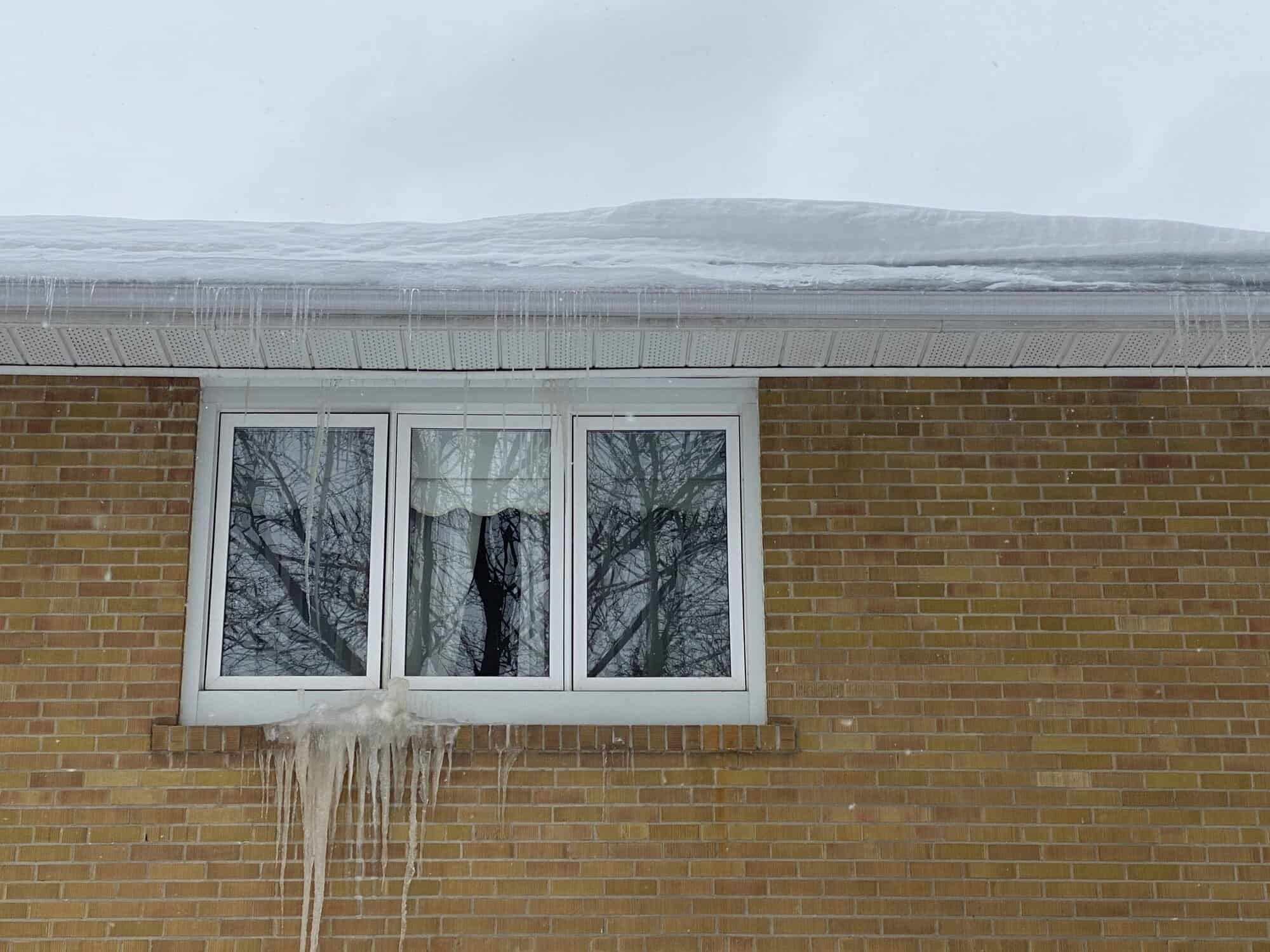
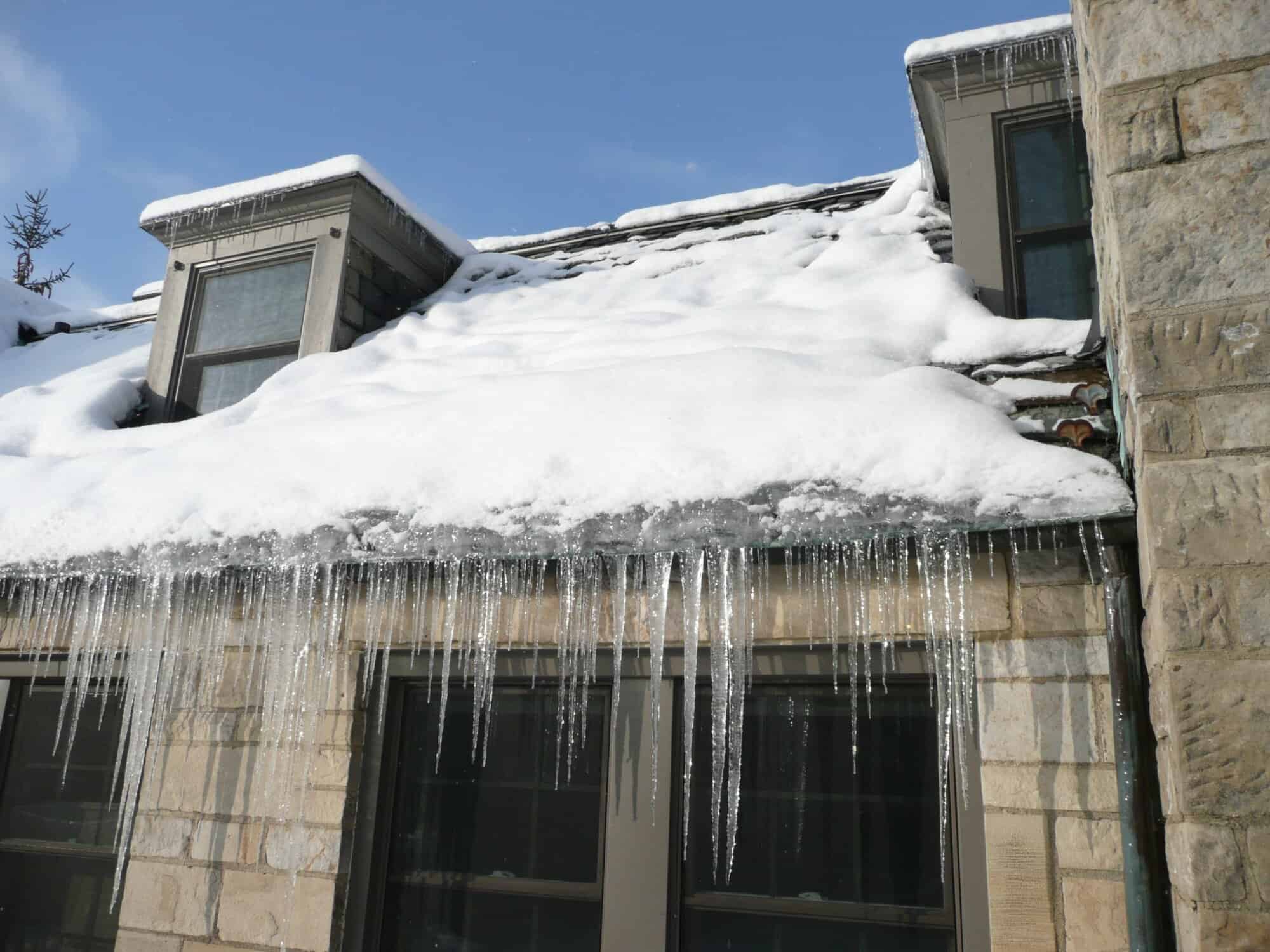
- A thick ridge of ice along the roof edge or in the eavestrough, often with icicles hanging from it
- Bare or thin patches of roof higher up while the edge stays packed with snow and ice
- Water stains on ceilings or walls near exterior walls, particularly after a mild day or a sunny afternoon
- Leaks that come and go with the weather rather than with rainfall
- Damp patches around windows on upper floors
That last pattern is the giveaway. A roof leak from damaged shingles tends to show up when it rains. An ice dam leak shows up when it warms up.
Why Toronto winters are so good at making ice dams
Ice dams do not need extreme cold. They need the temperature to cross the freezing mark repeatedly, which is exactly what winter does here. Toronto and the GTA spend a large part of the season hovering near zero, with daytime sun and mild spells producing melt and overnight cold locking it in place.
Older housing stock makes it worse. Many homes across Toronto were built before attic insulation and ventilation standards caught up, and a good number have had extra living space added upstairs over the years. Both put more heat against the underside of the roof.
The part most homeowners miss: where the water goes
Attention usually goes to the roof, but an ice dam is a drainage failure as much as a roofing one.
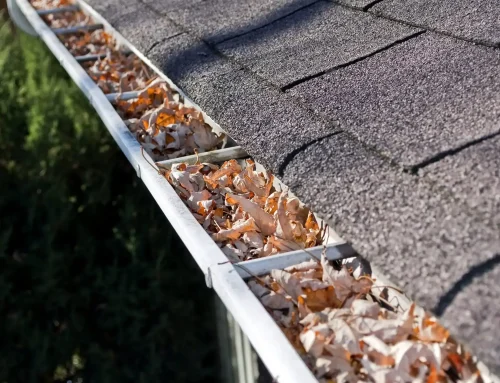
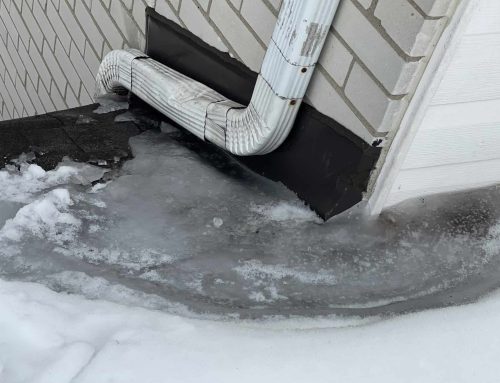
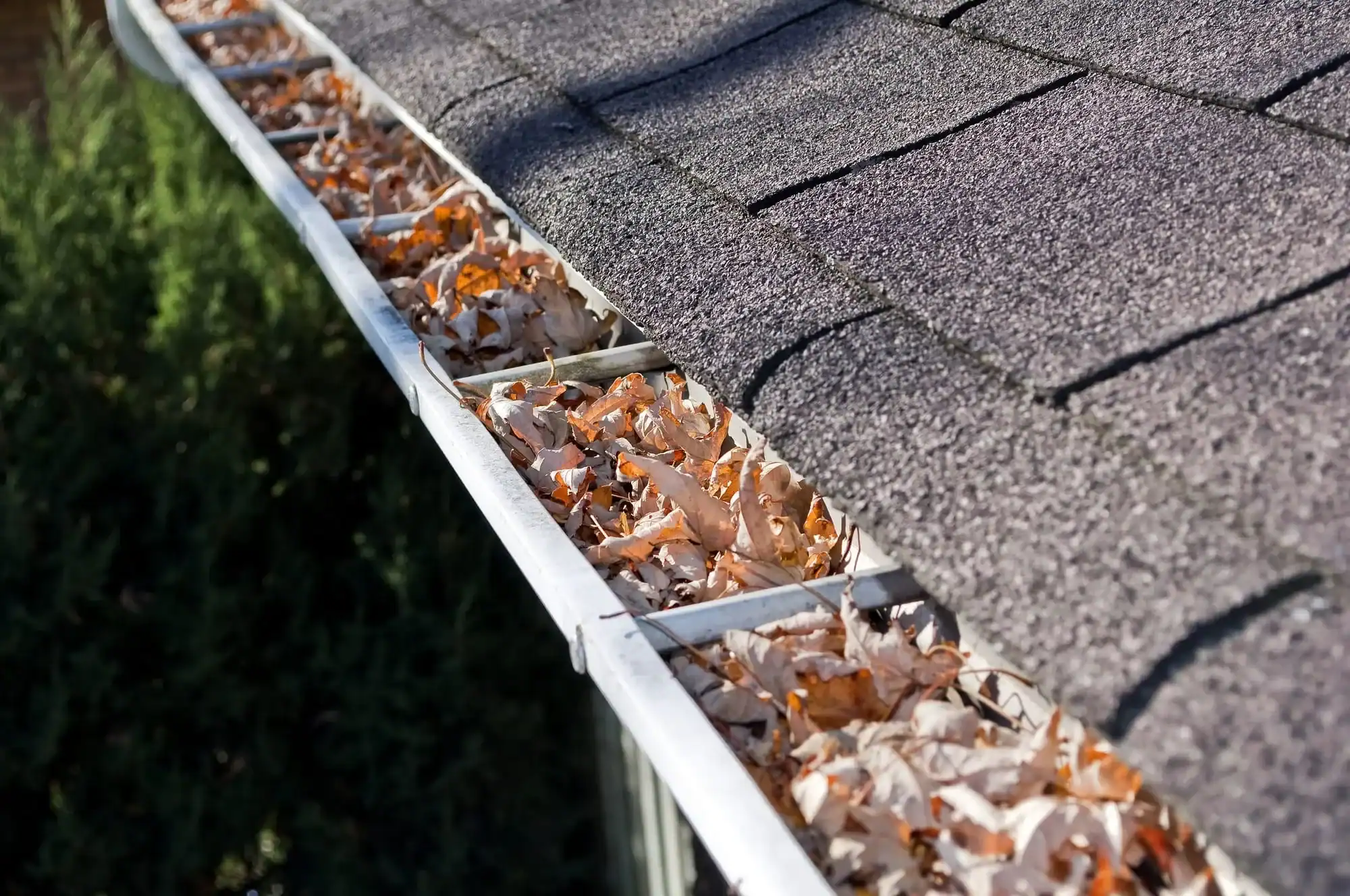
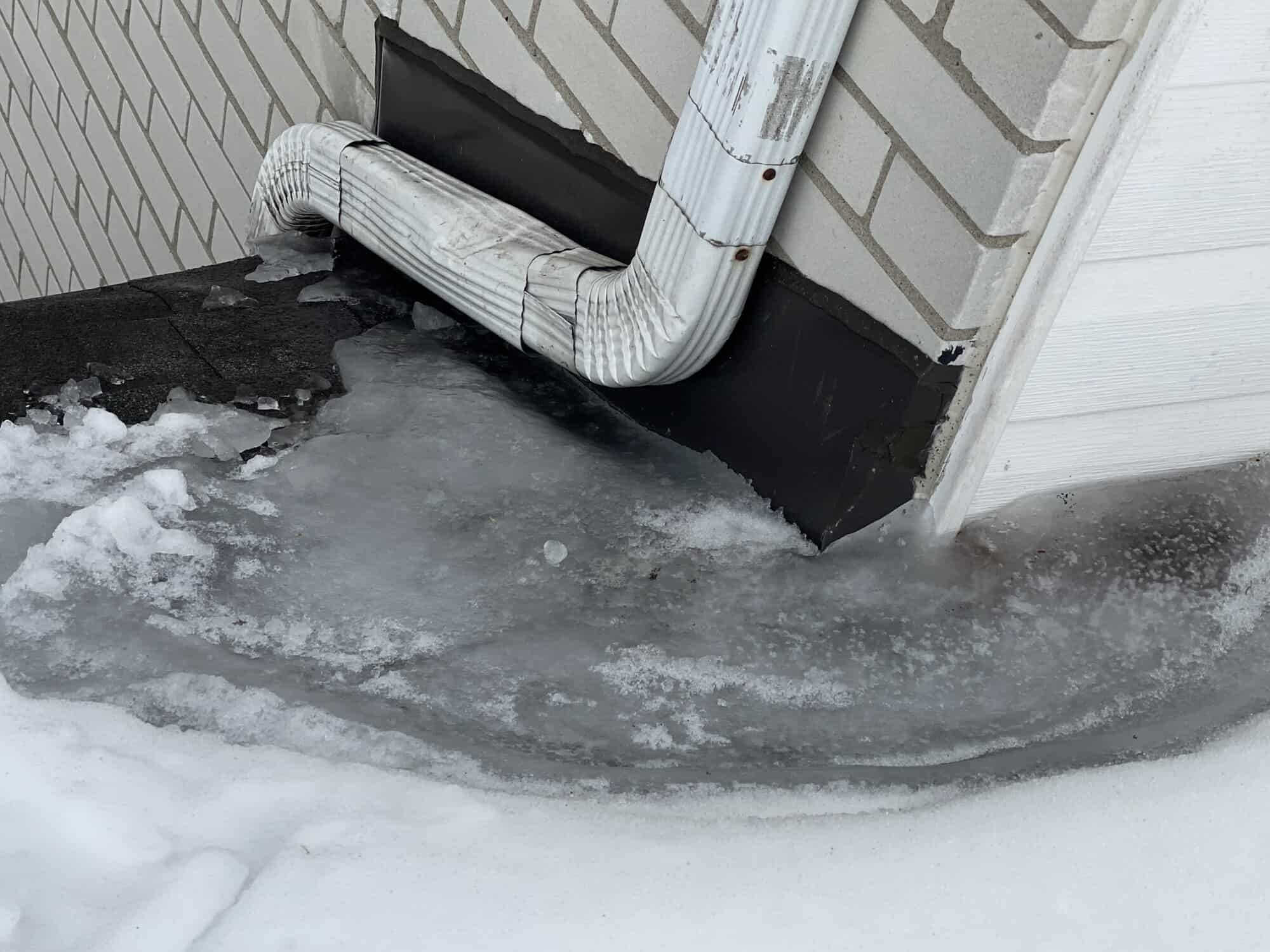
Even when meltwater reaches the roof edge without freezing, it has to get somewhere. If your eavestroughs are full of leaves from autumn, or your downspouts are already frozen at the bottom, that water backs up and freezes in the trough instead. The dam forms anyway, just a few inches lower.
This is the reason some homeowners have a roof repaired in the autumn and still get ice at the edge that winter. The roof was not the whole problem. If water cannot clear the system, it will find somewhere to sit and freeze.
Anything that keeps the full drainage path open helps: clear eavestroughs going into winter, downspouts that discharge properly rather than into a frozen elbow, and in problem areas, de-icing cables running the whole path from roof edge through the trough and down the downspout.
What to do if you think you have an ice dam
Do not try to chip it off. Hitting ice with anything hard, on a slippery roof, at height, damages shingles and eavestroughs and puts you somewhere you should not be. Salt and de-icer products sold for walkways will corrode metal and stain what is below.
If water is actively coming in, contain it inside, note where it appears, and get someone who does ice dam removal to look at it. Safe removal is usually done with low-pressure steam, which melts the ice without damaging the roof.
Once the immediate problem is handled, the question worth asking is why it formed at all. Ice that returns in the same spot every winter is telling you something about heat loss, ventilation or drainage that will keep costing you until it is dealt with.
Frequently asked questions
Do icicles mean I have an ice dam?
Not always, but they are a reliable warning. Icicles mean water is melting and refreezing at the roof edge, which is exactly the mechanism behind ice dams. A few small icicles are common. A thick band of ice along the edge with heavy icicles hanging off it is worth acting on. Large icicles over a walkway or entrance are also a safety problem in their own right.
Should I remove snow from my roof to prevent ice dams?
Clearing the lower few feet of roof can reduce the material available to form a dam, and a roof rake used from the ground is the safe way to do it. Climbing onto a snow-covered roof is not worth the risk on any home, and is not realistic on the two and three storey homes common across Toronto.
Can an ice dam form on a flat roof?
Yes. Flat and low-slope roofs are not exempt, and they bring their own version of the problem because water has less help draining. Ice can block roof drains and scuppers the same way it blocks an eavestrough, and meltwater then sits on the membrane instead of running off.
Will fixing my roof stop ice dams?
Sometimes, but often not on its own. New shingles do not change how much heat is reaching the roof deck or whether your eavestroughs and downspouts can clear water in freezing weather. If ice has formed in the same place for more than one winter, the cause is usually insulation, ventilation, drainage, or some combination.
Is ice dam damage covered by insurance?
Policies vary, and coverage often depends on whether the damage is treated as sudden or as the result of deferred maintenance. Your insurer is the only reliable source on your own policy, and photographs taken while the ice is still there tend to help.
Getting ahead of it
The homeowners who stop having this problem are generally the ones who deal with it in autumn rather than January. Clear eavestroughs, downspouts that actually discharge, and a drainage path that stays open through freeze-thaw weather remove most of the conditions an ice dam needs.
Ontario Downspout Service is a licensed and insured residential drainage specialist serving Toronto and the GTA. If you have had ice at the roof edge before, or water showing up inside during a thaw, we can look at the whole system and tell you what is actually causing it.