Homeowners should consider heating cables when their home experiences recurring ice dams, has roof areas that don’t receive enough sun to melt snow naturally, deals with frozen eavestroughs and downspouts, or has architectural features that make ice buildup likely.
For Toronto and GTA homeowners, heating cables—also called deicing cables—offer valuable protection against the ice-related problems that define local winters. While not every home needs them, houses with persistent ice dams, north-facing roof sections, or a history of winter drainage issues benefit significantly from properly installed heating cables. Understanding when heating cables make sense—and when other solutions might serve better—helps you make informed decisions about protecting your home from the roof damage and drainage problems that Toronto winters can cause.
Understanding Heating Cables and How They Work
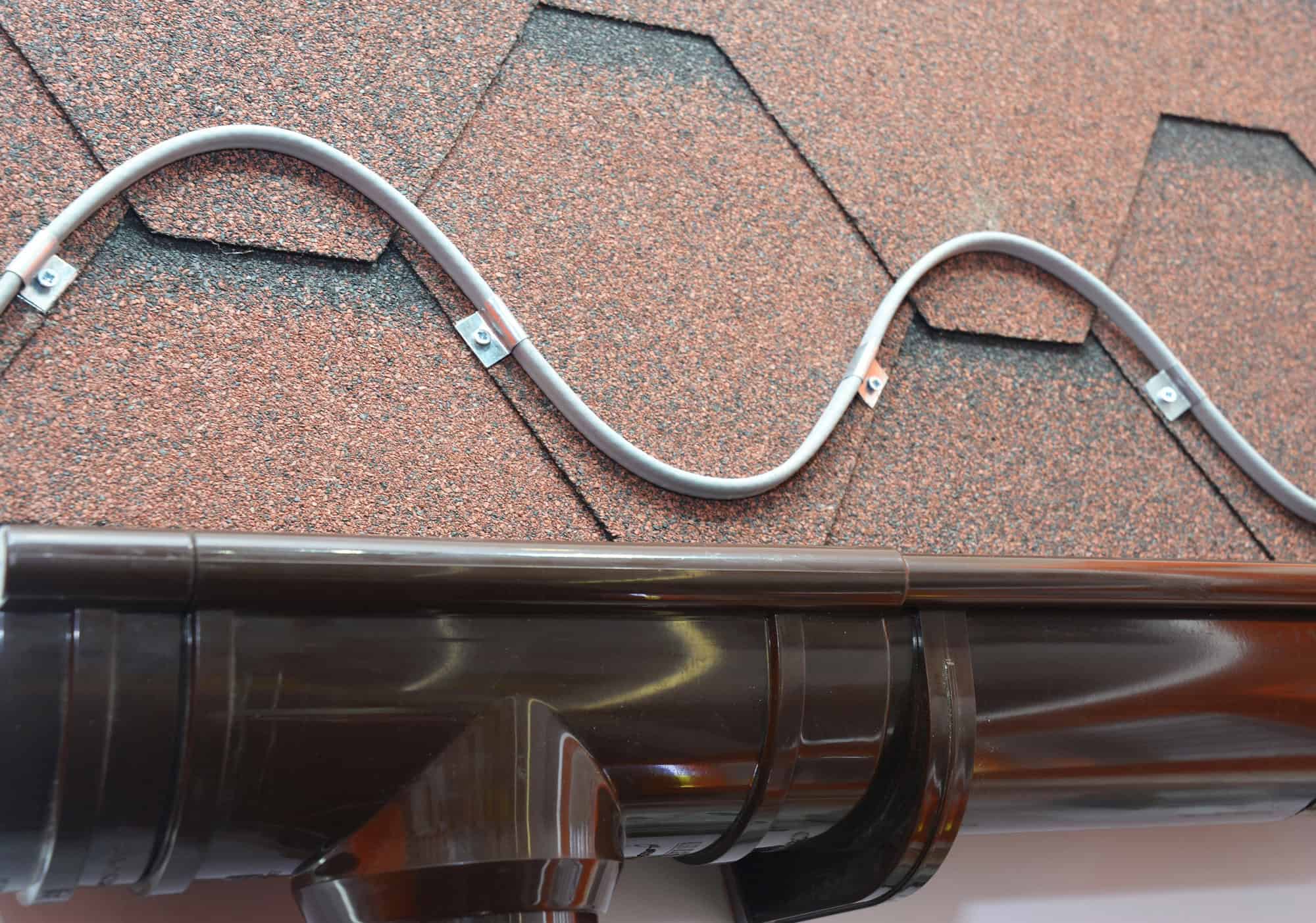
Heating cables, also known as deicing cables or heat cables, are electric heating elements installed along roof edges, in eavestroughs, and in downspouts to prevent ice buildup during winter.
When activated, these cables generate heat that melts channels through ice and snow, allowing meltwater to flow freely rather than accumulating and freezing. Typically installed in a zigzag pattern along roof edges and running through eavestroughs and downspouts, heating cables create continuous drainage paths that prevent the ice buildup responsible for ice dams and frozen drainage systems.
For Toronto homeowners, heating cables address a specific winter challenge: the freeze-thaw cycles that create ice dams and block drainage systems. By maintaining clear channels for meltwater, heating cables help protect both your roof and your drainage infrastructure during the coldest months.
It’s important to understand that heating cables address symptoms rather than underlying causes. While they effectively prevent ice buildup in the areas where they’re installed, they work best as part of a comprehensive approach to winter protection that may also include proper attic insulation and ventilation.
Signs Your Home Might Benefit from Heating Cables
Certain conditions and warning signs indicate that heating cables could provide valuable protection for your home.
Recurring Ice Dams
The most common reason to consider heating cables is a history of ice dams:
Repeated formation: If ice dams form on your roof year after year despite other measures, heating cables can prevent the ice buildup that creates them.
Visible ice buildup: Significant ice accumulation along your roof edges and in your eavestroughs indicates conditions that heating cables address.
Interior water signs: Water stains on ceilings or walls during winter often indicate ice dams forcing water under shingles—a problem heating cables help prevent.
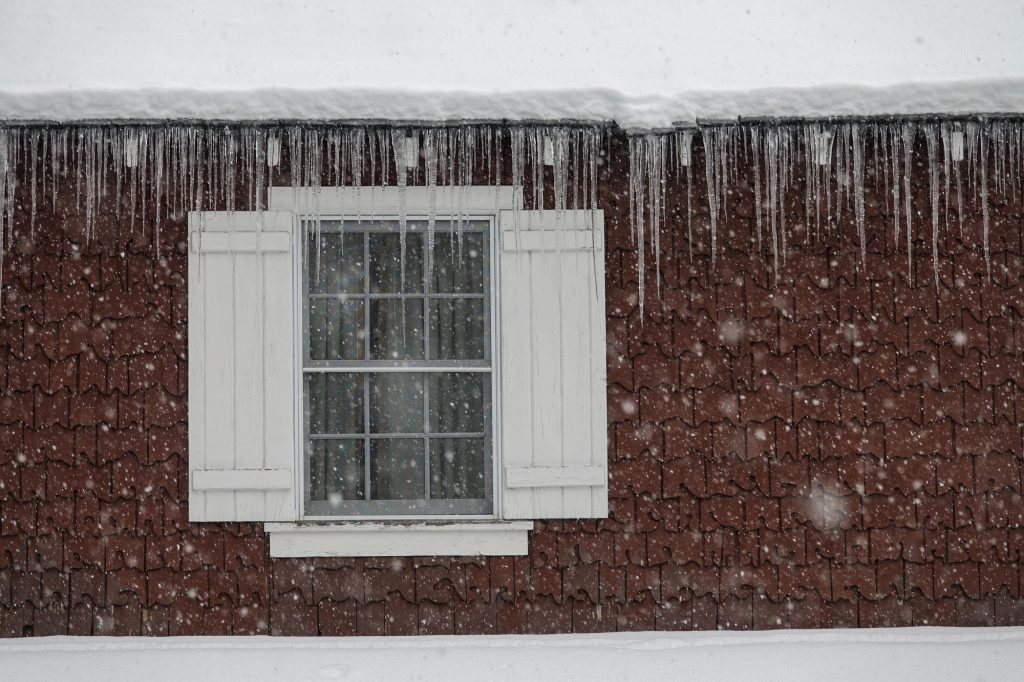
Icicle formation: Large icicles hanging from your eavestroughs, while sometimes picturesque, indicate meltwater freezing at roof edges—a warning sign of ice dam conditions.
Roof Areas That Don’t Receive Sun
Sun exposure significantly affects ice formation:
North-facing sections: Roof areas facing north receive minimal sun during winter, preventing the natural melting that clears snow and ice from sun-exposed sections. These shaded areas often experience persistent ice buildup.
Shaded areas: Sections shaded by trees, neighboring buildings, or architectural features stay colder and accumulate ice that sunnier areas avoid.
Uneven melting patterns: When part of your roof clears from sun exposure while shaded sections remain ice-covered, the resulting uneven conditions can contribute to drainage problems and ice dams.
In Toronto’s winter, the difference between sun-exposed and shaded roof sections is significant. Areas that receive winter sun often clear naturally, while shaded sections may remain ice-covered for extended periods—making these shaded areas prime candidates for heating cables.
Frozen Eavestroughs and Downspouts
Drainage system freezing indicates potential heating cable benefits:
Ice-blocked eavestroughs: When your eavestroughs fill with ice, they can’t channel meltwater, contributing to ice dams and overflow that affects your foundation.
Frozen downspouts: Downspouts blocked by ice prevent proper drainage, causing water to back up and potentially overflow onto foundations during thaw periods.
Recurring drainage issues: If your drainage system freezes reliably each winter, heating cables in eavestroughs and downspouts maintain the clear channels needed for meltwater to flow away from your home.
Architectural Features That Promote Ice Buildup
Some home designs make ice problems more likely:
Complex rooflines: Roofs with multiple valleys, dormers, and intersecting sections create areas where snow and ice accumulate, promoting ice dam formation.
Low-slope sections: Areas with minimal slope don’t shed snow effectively, allowing accumulation that leads to ice problems.
Problem valleys: Roof valleys channel significant water and snow, sometimes creating ice buildup that heating cables help manage.
When Heating Cables Make the Most Sense
Understanding specific scenarios where heating cables provide the greatest value helps you determine whether they’re right for your home.
Homes with Persistent Problems
Heating cables particularly benefit homes with ongoing issues:
History of ice dams: If your home reliably develops ice dams despite adequate attic insulation and ventilation, heating cables address the persistent problem directly.
Chronic winter leaks: Homes experiencing recurring winter roof leaks from ice dams benefit from the protection heating cables provide.
Repeated drainage freezing: When eavestroughs and downspouts freeze year after year, heating cables maintain drainage function through winter.
Situations Where Other Solutions Fall Short
Sometimes addressing underlying causes isn’t sufficient or practical:
Architectural limitations: When your home’s design inherently promotes ice buildup—regardless of insulation and ventilation improvements—heating cables provide necessary supplementary protection.
Persistent shaded areas: North-facing or permanently shaded sections that don’t benefit from sun exposure may require heating cables to prevent ice accumulation.
Targeted protection: For specific problem areas that continue experiencing ice despite other measures, heating cables offer focused solutions.
Complementing Other Winter Preparations
Heating cables work best as part of comprehensive winter protection:
Alongside proper insulation: While attic insulation and ventilation address the heat loss that causes ice dams, heating cables protect areas where these measures aren’t fully effective.
With regular maintenance: Combined with proper fall cleaning and drainage preparation, heating cables provide additional winter security.
As part of system upgrades: When upgrading drainage systems, incorporating heating cables in problem areas enhances winter protection.
Understanding the Limitations of Heating Cables
While heating cables provide valuable protection, understanding their limitations helps set appropriate expectations.
Addressing Symptoms vs. Causes
Heating cables have an important limitation:
Symptom management: Heating cables prevent ice buildup where installed, but they don’t address the underlying heat loss that often causes ice dams. For comprehensive prevention, addressing attic insulation and ventilation remains important.
Targeted coverage: Heating cables protect only the areas where they’re installed. Ice can still form in unprotected sections, meaning proper placement is essential.
Ongoing operation: Heating cables require electricity to function, adding to winter energy costs during operation.
Proper Installation Requirements
Effective heating cables demand correct installation:
Strategic placement: Cables must be installed in the specific areas where ice problems occur, requiring understanding of how ice forms on your particular roof.
Adequate coverage: Insufficient cable coverage leaves gaps where ice can still form and cause problems.
Safe electrical connection: Proper installation ensures safe operation, making professional installation valuable for both effectiveness and safety.
When Other Solutions Serve Better
Sometimes alternatives address problems more effectively:
Insulation and ventilation: For ice dams caused primarily by heat loss, improving attic insulation and ventilation may provide better long-term solutions than heating cables alone.
Drainage upgrades: If drainage capacity contributes to winter problems, upgrading eavestroughs and downspouts might address issues more comprehensively.
Combined approaches: Often, the best protection combines heating cables for problem areas with underlying improvements to insulation, ventilation, and drainage.
Making the Decision for Your Toronto Home
Determining whether heating cables are right for your home requires considering your specific circumstances.
Questions to Consider
Evaluating your situation:
- Does your home experience recurring ice dams despite other measures?
- Do you have north-facing or shaded roof sections that stay ice-covered?
- Do your eavestroughs and downspouts freeze reliably each winter?
- Does your roof architecture promote ice buildup in specific areas?
- Have you experienced winter roof leaks or drainage problems?
Affirmative answers to these questions suggest heating cables could benefit your home.
The Value of Professional Assessment
Professional evaluation helps determine the right approach:
Problem diagnosis: Experts can assess why your home experiences ice problems and whether heating cables or other solutions best address the underlying issues.
Proper placement planning: Professional assessment identifies exactly where heating cables would provide the most benefit for your specific roof and drainage configuration.
Comprehensive solutions: Rather than viewing heating cables in isolation, professionals consider how they fit within complete winter protection—including insulation, ventilation, and drainage improvements.
Safe installation: Professional installation ensures heating cables operate safely and effectively, providing the protection you need without electrical hazards.
Protecting Your Home Through Toronto Winters
Heating cables represent a valuable tool for protecting Toronto homes from the ice-related problems that define local winters. For homes experiencing recurring ice dams, dealing with shaded roof areas that don’t benefit from sun, or facing frozen eavestroughs and downspouts, deicing cables provide effective protection against roof damage and drainage issues.
However, heating cables work best as part of a comprehensive approach to winter protection. While they effectively prevent ice buildup in problem areas, addressing underlying causes—through proper attic insulation and ventilation—provides the most complete protection. For many Toronto homes, the ideal solution combines heating cables for persistent problem areas with the insulation, ventilation, and drainage improvements that address ice problems at their source.
Understanding your home’s specific challenges—whether recurring ice dams, shaded sections that don’t receive sun, frozen drainage systems, or problematic architectural features—helps you determine whether heating cables are the right investment. The GTA’s demanding winters make this protection worth considering for homes that experience persistent ice and drainage problems.
At Ontario Downspout Service, we help Toronto homeowners determine the best approach to winter protection for their specific situations. Our decade-plus experience with residential drainage throughout the GTA means we understand how Toronto winters create ice dams, frozen eavestroughs, and the drainage problems that damage homes. We assess your home’s specific challenges honestly, recommending heating cables where they provide genuine value and identifying when other solutions might serve you better.
When heating cables make sense for your home, we provide professional installation that ensures effective, safe operation in the areas where you need protection most. We also consider how heating cables integrate with your complete drainage system, ensuring comprehensive winter protection. Our 6-inch heavy-gauge aluminum eavestroughs, combined with appropriate heating cables where needed, provide superior protection through Toronto’s harshest winter conditions.
Wondering whether heating cables are right for your home? Contact Ontario Downspout Service for a professional assessment. We’ll evaluate your home’s specific ice and drainage challenges, explain your options honestly, and recommend the winter protection approach that best keeps your roof and drainage system functioning throughout Toronto’s demanding winter season.
Ontario Downspout Service is a licensed, insured, and 10-time Best of Homestars award-winning residential drainage specialist serving Toronto and the GTA. We provide expert drainage solutions, heating cable installation, and winter protection that keep homes safe throughout the Greater Toronto Area.