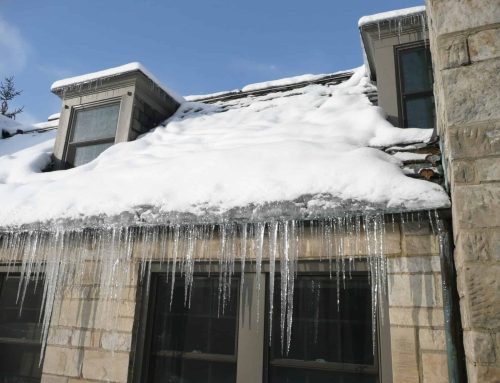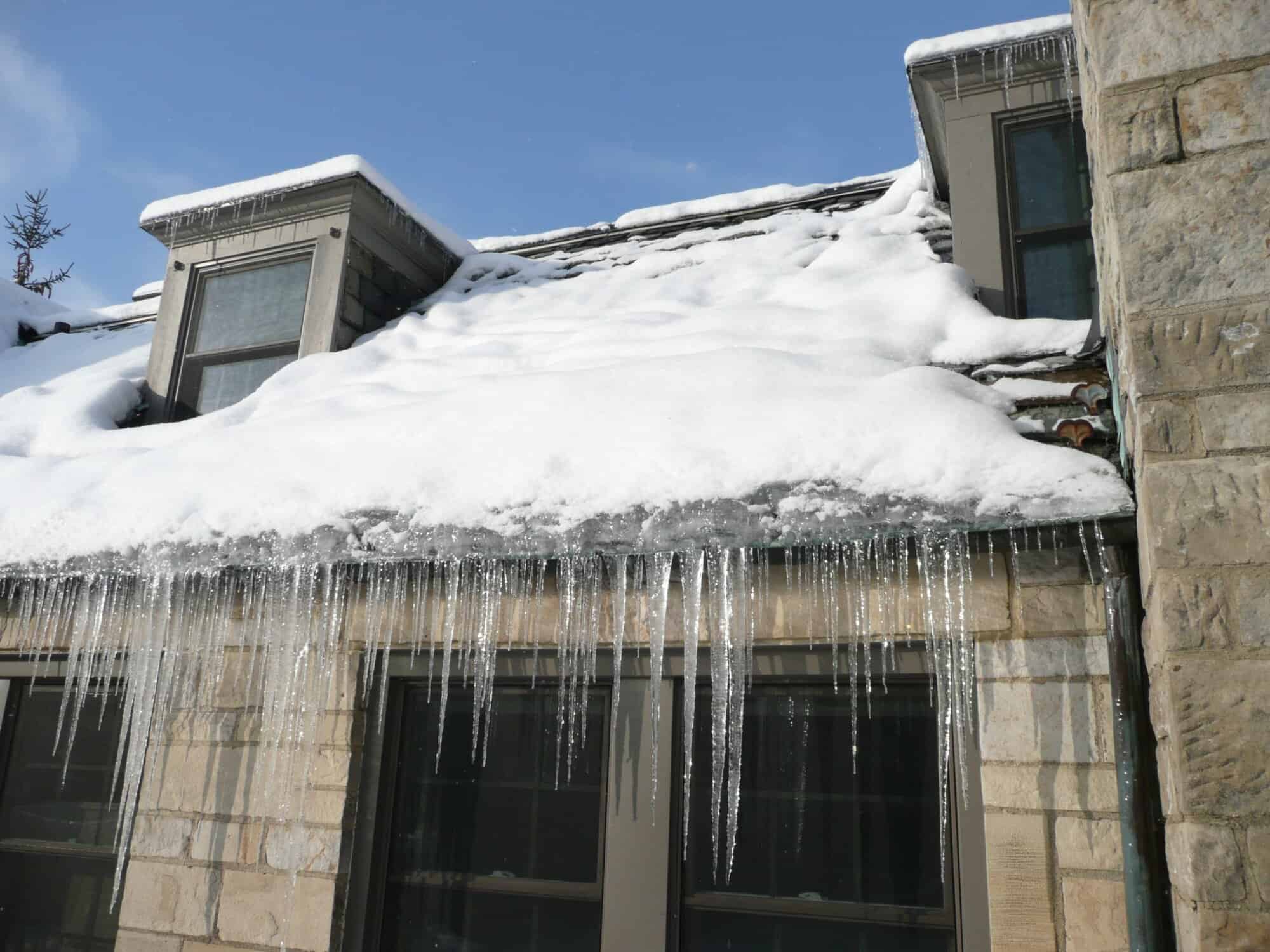

Icicles hanging over an entrance are not just a nuisance, and they are not random. They form where meltwater runs off the roof and refreezes at the edge, and they form over doorways and walkways more often than anywhere else because that is where porches, overhangs and bay windows interrupt the roofline. A heavy icicle falling from a second or third storey carries real force, and the ice sheet it drops from can take siding and eavestrough with it. The good news is that icicles are a symptom of something fixable rather than something you have to live with each winter.
Why they form over entrances specifically
Three things concentrate at a doorway, and all of them make ice.
The roofline changes shape. Porches, canopies, dormers and bay windows create edges, valleys and junctions that collect more snow and channel more meltwater to one point than a plain eave does. Water arriving at one spot in volume is water that freezes into something heavy.
There is heated space below. Entrances are usually part of the house rather than an unheated overhang, and the warmth underneath melts snow above. A porch roof tucked under a main roof gets meltwater from the larger surface as well as its own.
The drainage stops short. Eavestroughs frequently end, change direction, or discharge near an entrance. If the trough above a doorway is blocked, sagging or ends without a downspout, water spills over the front edge at exactly that point and freezes on the way down.
The risk is worth taking seriously
People tend to treat icicles as scenery. A large icicle falling from height is genuinely dangerous, and so is the slab of ice that can release from a roof edge after a mild afternoon.
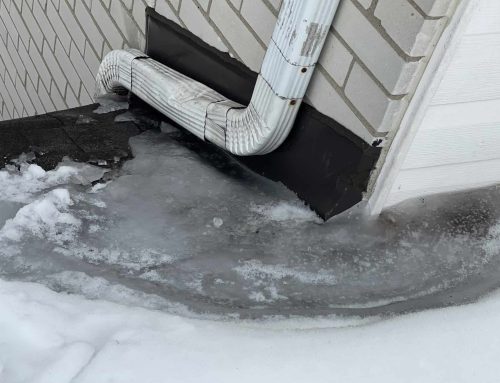
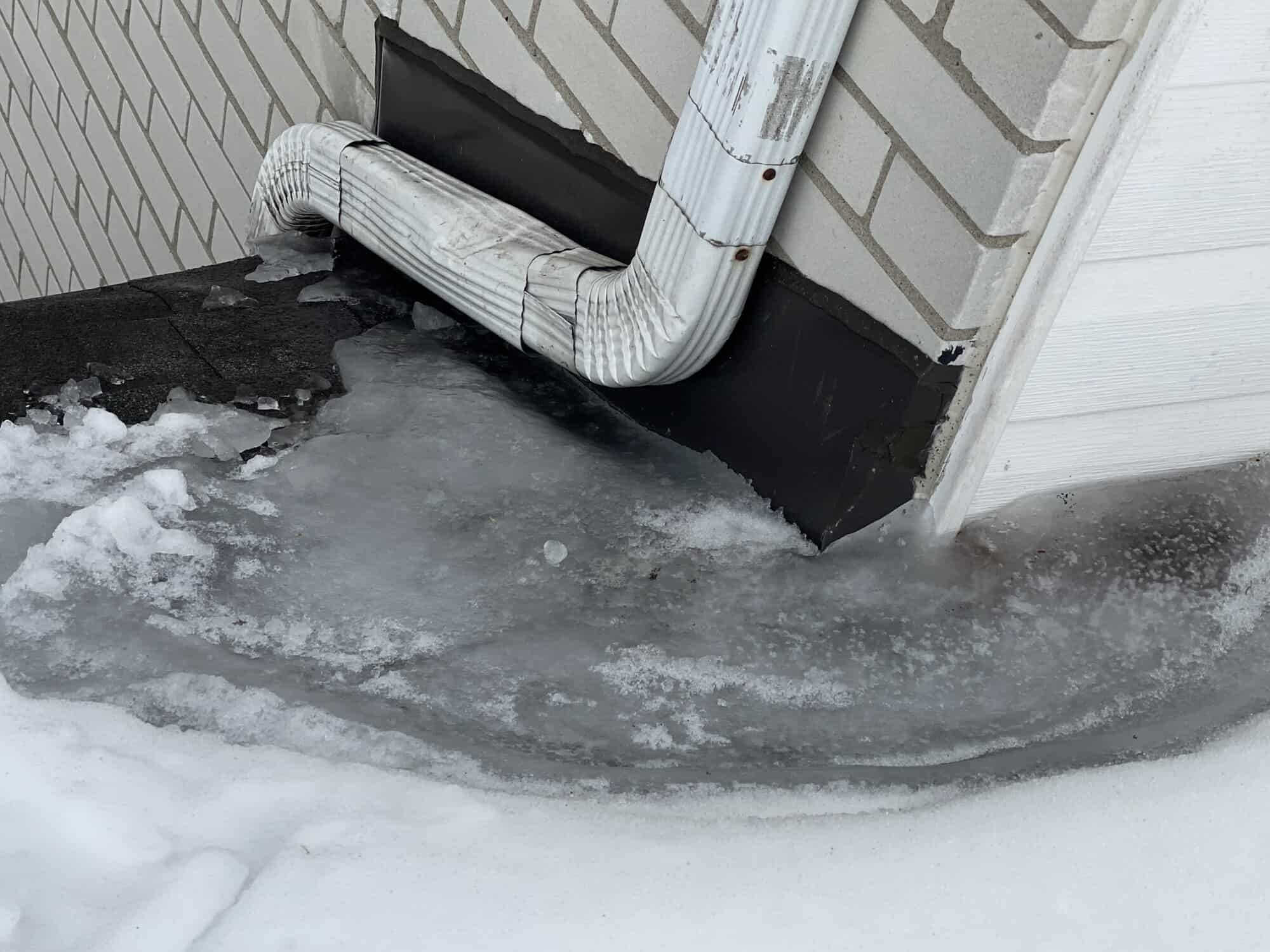
The secondary risks matter too. Ice releasing from an edge often takes the eavestrough with it, or tears fascia and siding on the way past. Water dripping over a walkway all winter builds a sheet of ice underfoot, and that is where most of the actual injuries happen, at ground level rather than from above.
If ice is currently hanging over an entrance your household uses, the sensible immediate step is to stop using that door and rope the area off until it can be dealt with properly, rather than trying to knock it down yourself. Standing underneath a loaded roof edge and hitting it is how people get hurt.
What they are telling you
Icicles mean melt and refreeze, which means the same mechanism that creates ice dams is at work. A few short icicles after a sunny day in a cold snap are ordinary. What is worth acting on:
- Icicles that return to the same place every winter — a consistent warm spot or a consistent drainage failure
- A thick band of ice along the eave with the icicles growing from it rather than from the trough lip
- Icicles hanging off the eavestrough itself, which usually means the trough is full of ice and water is going over the front
- Ice forming down an exterior wall rather than at the edge, meaning water is escaping the system further back
- Anything large enough to be a hazard over a door, path, driveway or where children play
What actually stops it
Knocking icicles down removes today’s hazard and changes nothing. They return with the next thaw, and the knocking itself damages troughs and fascia.
The durable fixes work on the causes:
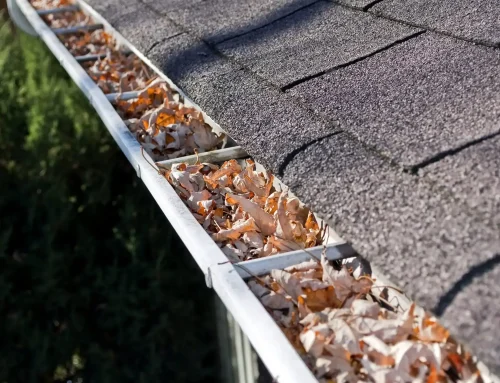
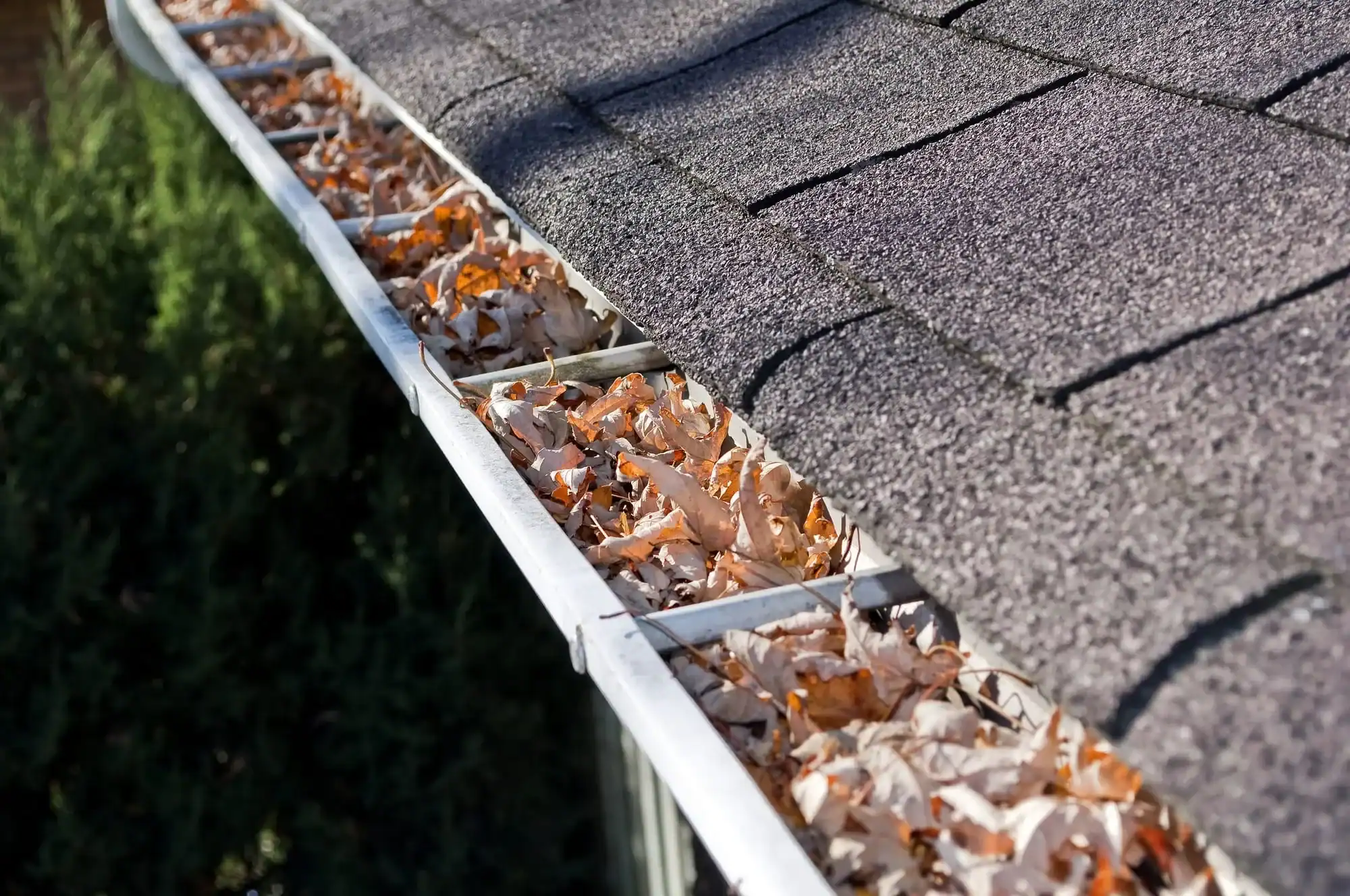
- Clear the drainage path above the entrance. Often this is all it takes. A blocked trough or a downspout that cannot discharge is the reason water is going over the edge instead of through the system.
- Fix the trough geometry. Sagging sections, wrong pitch, or a run that ends without an outlet all send water over the front edge at a predictable spot. That spot is usually where your icicles are.
- Reduce the heat below. Where the entrance sits under a heated room, air sealing and insulation slow the melting that feeds the whole cycle.
- Heat the path where geometry cannot be fixed. Porches, bay windows and roofline junctions often cannot be redesigned. De-icing cable running through the trough and down the downspout keeps a channel open so meltwater leaves rather than hanging off the edge. Over an entrance, this is frequently the most practical answer.
Frequently asked questions
Is it safe to knock icicles down myself?
Not from underneath, and not with anything that reaches. You cannot control which piece comes down or how much comes with it, you are standing in the landing zone, and the impact usually damages the eavestrough. If something has to come down urgently, clearing the area below and getting someone with the right equipment is the safer route.
Does salt help?
Not on the roof. Salt and walkway de-icer corrode aluminum troughs and fasteners, stain masonry and siding, and kill whatever is planted below. On the walkway underneath it is fine, but that treats the ground, not the cause.
Am I liable if ice falls on a visitor?
Property owners in Ontario have a duty to keep their premises reasonably safe for people who enter. How that applies to any particular situation is a question for a lawyer or your insurer, not for us, but it is a reason to treat a known hazard over an entrance as something to deal with rather than wait out.
Would gutter guards stop icicles?
No. Guards keep leaves out, which helps the trough drain, but they do nothing about melt and refreeze. Some designs let ice build on top of the guard instead, which can make the edge worse rather than better.
Will removing snow from the roof stop it?
Clearing the lower few feet with a roof rake from the ground reduces the meltwater feeding the edge and does help. It is a seasonal chore rather than a fix, and it is not practical on the taller homes where this problem is most common.
Dealing with it before it becomes urgent
Almost every case of ice over an entrance traces back to water that could not get through the eavestrough and downspout above it. That is a drainage problem with a drainage solution, and it is far easier to sort out in autumn than in the middle of a thaw.
Ontario Downspout Service is a licensed and insured residential drainage specialist serving Toronto and the GTA. If ice forms over your door, walkway or driveway every winter, we can look at what is happening above it and why the water is not draining.