You should replace downspouts rather than repair them when they show widespread corrosion, repeated failures at multiple points, significant denting or crushing that restricts flow, persistent leaking at seams, or when they’re simply too small to handle your home’s drainage needs. While minor issues like a single disconnected joint or small leak can often be repaired cost-effectively, downspouts that consistently fail, have reached the end of their lifespan, or can’t manage your roof’s water volume warrant replacement. For Toronto homeowners, this decision matters significantly—inadequate downspouts that you repeatedly patch instead of replacing leave your foundation vulnerable to water damage during the GTA’s increasingly intense storms. Understanding when repair makes sense versus when replacement is the smarter investment helps you protect your home while spending your maintenance budget wisely.
Signs Your Downspouts Need Replacement Rather Than Repair
Certain conditions indicate that replacement, rather than continued repair, represents the better choice for your home and your budget.
Widespread Corrosion and Deterioration
Material breakdown signals replacement time:
Rust on steel or galvanized downspouts: Older Toronto homes sometimes have steel or galvanized downspouts that eventually rust. Once corrosion appears in multiple locations, it will continue spreading. Patching individual rust spots rarely solves the underlying deterioration—replacement with rust-resistant aluminum makes more sense.
Material thinning: Downspouts that have thinned through years of weathering become fragile and prone to failure. When you can see light through the material or it flexes excessively, the downspout has reached the end of its useful life.
Multiple deterioration points: When corrosion or material breakdown appears at several locations rather than one isolated spot, you’re facing systemic failure that repairs can’t adequately address.
Repeated Failures at Multiple Points
A pattern of failures indicates replacement:
Chronic seam separations: If your downspouts repeatedly separate at seams despite repairs, the system has fundamental problems. Continued patching costs more over time than replacement.
Recurring leaks: Downspouts that develop new leaks after each repair indicate material fatigue or deterioration that won’t improve with continued patching.
Frequent disconnections: While extension disconnections are normal and easily fixed, downspout sections that repeatedly separate suggest mounting problems or material failure warranting replacement.
Significant Physical Damage
Some damage exceeds practical repair:
Severe denting or crushing: Downspouts crushed by ladders, ice, fallen branches, or impacts may have flow restrictions that repairs can’t fully address. Significant denting reduces capacity and creates blockage points.
Structural deformation: Downspouts bent or deformed beyond simple straightening need replacement. Attempting to repair severely deformed sections often results in continued problems.
Impact damage: Toronto’s winter conditions—ice, snow load, falling branches—can damage downspouts beyond practical repair, particularly older or thinner-gauge systems.
Capacity Inadequacy
Sometimes downspouts work but simply aren’t adequate:
Undersized for your needs: If your downspouts are too small to handle your roof’s water volume—causing backup and overflow during heavy rain—repairing them doesn’t solve the fundamental problem. Replacement with larger downspouts addresses the actual issue.
Mismatched with gutter upgrades: If you’ve upgraded to 6-inch gutters but retained standard 2×3-inch downspouts, the downspouts create bottlenecks. Replacement with appropriately sized 3×4-inch downspouts completes the system upgrade.
Insufficient for Toronto’s storms: Downspouts that were adequate for historical rainfall patterns may be insufficient for today’s intense storms. When capacity is the problem, replacement with larger systems provides the solution.
When Repair Makes Sense
Not every downspout problem requires replacement. Understanding when repair is appropriate helps you avoid unnecessary expense.
Minor, Isolated Issues
Single problems in otherwise good systems often warrant repair:
Single disconnected joint: A downspout section that has come apart at one connection can typically be reconnected easily, especially if the material remains in good condition.
Small, localized leak: An isolated leak in an otherwise sound downspout can often be sealed effectively, extending the system’s useful life.
Loose mounting brackets: Downspouts pulling away from walls due to loose brackets usually need only re-securing, not replacement.
Disconnected extensions: Extensions that have separated from downspouts—an extremely common issue—simply need reconnection, not replacement.
Newer Systems with Minor Damage
Age factors into the eavestrough repair-versus-replace decision:
Recently installed downspouts: If your downspouts are relatively new and sustain isolated damage, repair makes sense. There’s no reason to replace newer systems for problems that repairs adequately address.
Good overall condition: Downspouts in generally good condition with one specific problem are candidates for repair rather than wholesale replacement.
Quality materials: Heavy-gauge aluminum downspouts in good condition can often be repaired effectively, as quality materials respond well to proper repairs.
Cost-Effective Repair Scenarios
Sometimes the math favors repair:
Repair cost significantly below replacement: When a simple repair costs a fraction of replacement and addresses the actual problem, repair is the sensible choice.
Isolated problems in adequate systems: If your downspout system has adequate capacity and only needs minor attention at specific points, repair preserves a functional system.
The Toronto Climate Factor in Replacement Decisions
The Greater Toronto Area’s specific conditions influence when replacement makes more sense than continued repair.
Winter Stress on Downspout Systems
Toronto’s winters create unique challenges:
Freeze-thaw damage: Water trapped in downspouts freezes and expands, stressing seams and connections. Systems repeatedly damaged by winter conditions may warrant replacement with more durable heavy-gauge materials.
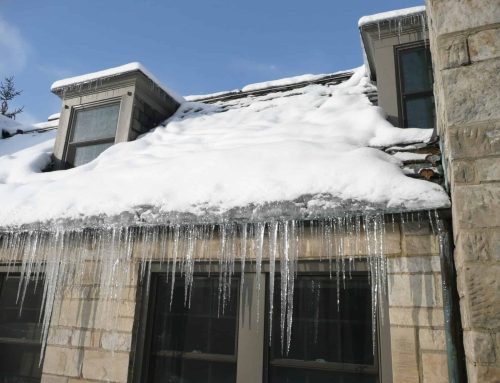
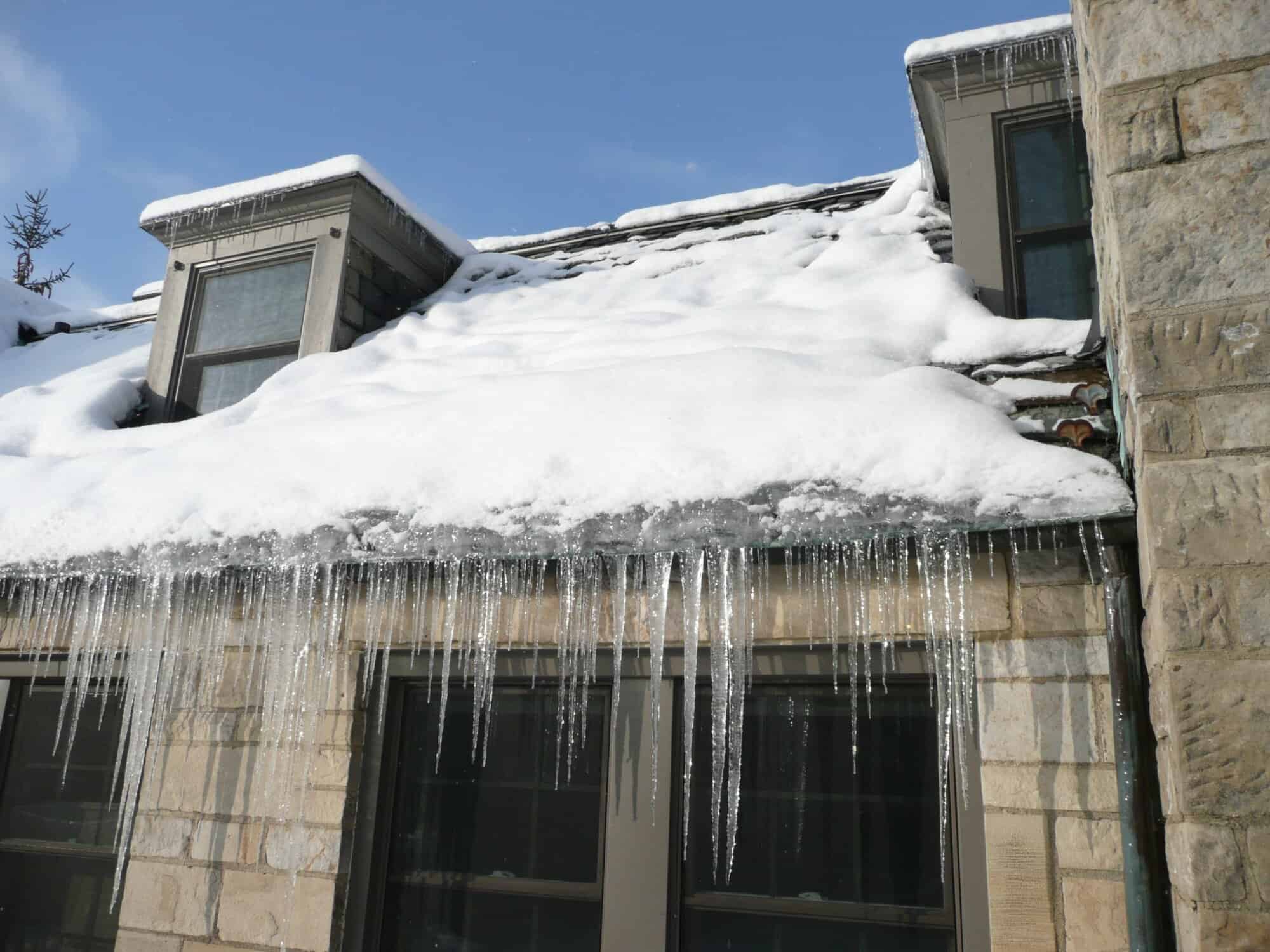
Ice weight: Accumulated ice strains downspout systems and mounting hardware. Downspouts repeatedly damaged by ice loads benefit from replacement with more robust systems.
Snow load impacts: Sliding snow from roofs can damage downspouts. Systems in areas prone to snow slides may need replacement with sturdier configurations.
Increasing Rainfall Intensity
Climate trends affect eavestrough replacement decisions:
Storm intensity increases: As Toronto experiences more intense rainfall, downspouts adequate for past conditions may now be undersized. When capacity becomes inadequate due to changing weather patterns, replacement with larger systems provides necessary protection.
Future-proofing considerations: When facing significant repairs, consider whether replacement with larger-capacity systems better positions your home for the heavy rainfall events that are becoming more common in the GTA.
Clay Soil and Foundation Vulnerability
Toronto’s soil conditions raise the stakes:
Foundation protection priority: Because the GTA’s clay soil doesn’t absorb water quickly, downspout failures that allow foundation saturation create serious risks. When downspout reliability is questionable, replacement provides peace of mind and foundation protection.
Consequences of failure: In areas where foundation water problems are common, the cost of downspout failure—basement leaks, foundation damage—far exceeds replacement costs, making proactive replacement worthwhile.
Making the Repair-vs-Replace Decision
Several practical considerations help you determine the right choice for your situation.
Age and Overall Condition Assessment
Consider your downspout system’s overall state:
System age: Downspouts approaching 20-25 years often warrant replacement rather than repair, particularly if problems are emerging. Aging systems will likely need replacement soon regardless of current repairs.
Comprehensive evaluation: Rather than addressing isolated problems, assess your entire downspout system. If multiple components show wear or inadequacy, system replacement often makes more sense than piecemeal repairs.
Integration with gutters: Consider your downspouts in context with your gutters. If both need attention, comprehensive replacement of the integrated system frequently provides better value and performance.
Cost Analysis Over Time
Look beyond immediate costs:
Cumulative repair costs: Track what you’ve spent on repeated repairs. When ongoing repair costs approach or exceed replacement value, replacement becomes the economical choice.
Future repair likelihood: Consider whether current repairs will hold or whether you’ll face additional problems soon. Systems requiring frequent attention often cost more through repeated repairs than single replacement.
Performance improvement value: Replacement often provides performance improvements—better capacity, improved reliability, enhanced foundation protection—that repairs can’t deliver.
Whole-System Considerations
Downspouts function as part of your complete drainage system:
Coordinated upgrades: If you’re addressing gutter problems or upgrading to 6-inch eavestroughs, replacing downspouts simultaneously ensures system compatibility and optimal performance.
Balanced capacity: Replacement allows you to properly size downspouts to match your gutters and roof area, creating a balanced system that performs reliably during heavy rain.
Discharge improvements: Replacement provides opportunity to improve discharge management—adding extensions, optimizing placement, ensuring water flows far enough from foundations.
The Value of Professional Assessment
Determining whether to repair or replace downspouts benefits from professional evaluation.
What Professional Assessment Provides
Accurate condition evaluation: Professionals can assess whether downspout problems represent isolated issues or systemic failure requiring replacement.
Capacity analysis: Experts calculate whether your downspouts adequately handle your roof’s water volume or whether undersizing contributes to your problems.
System integration review: Professional assessment considers how your downspouts function with your complete drainage system, identifying whether comprehensive solutions would better serve your home.
Cost-benefit guidance: Experienced contractors help you understand whether repair or replacement provides better long-term value for your specific situation.
Choosing Quality Replacement Systems
When replacement is the right choice, system quality matters:
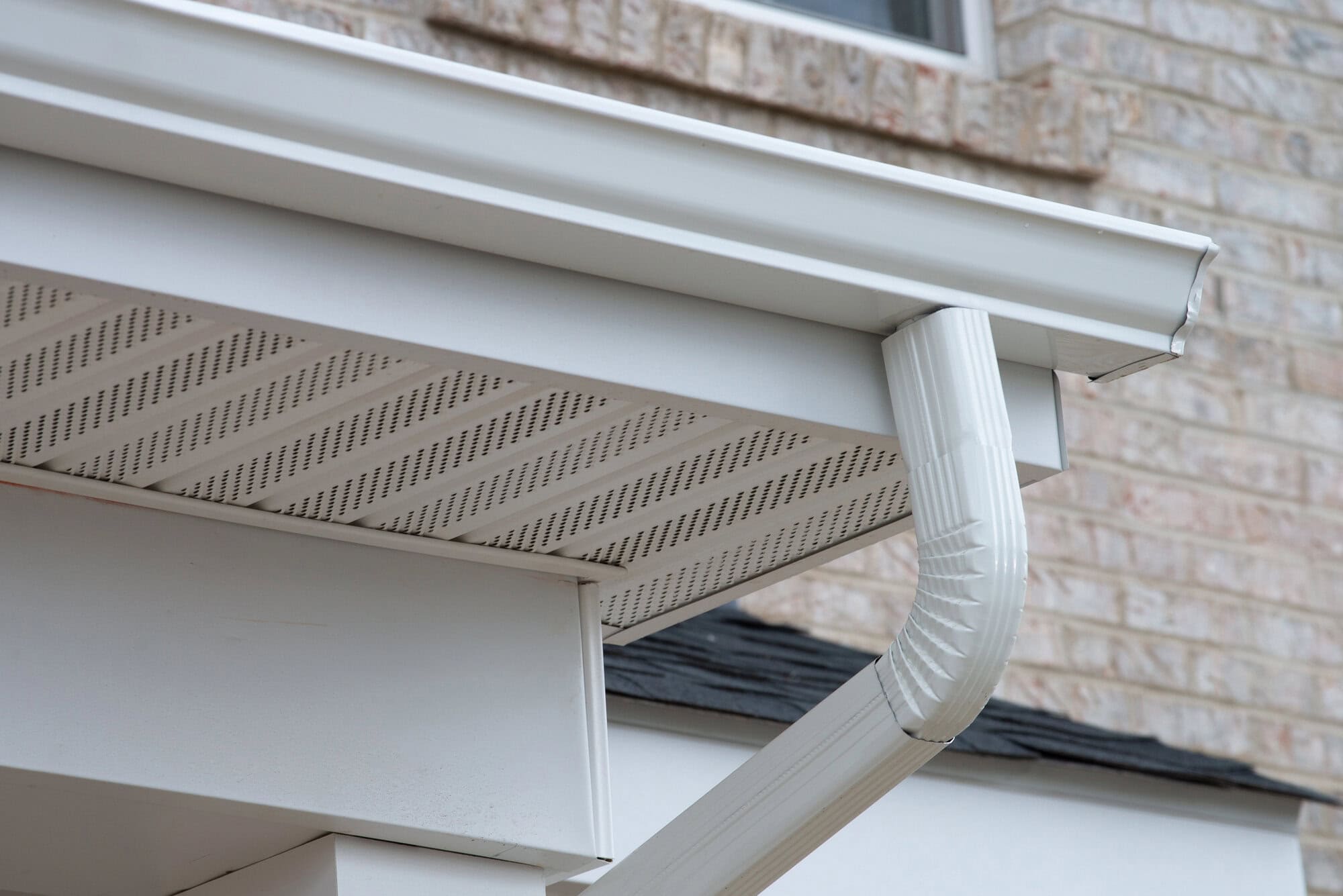
Heavy-gauge aluminum benefits: Quality heavy-gauge aluminum downspouts resist denting, corrosion, and weather damage better than lighter alternatives—providing longer service life and better value.
Proper sizing: Replacement allows correct sizing—typically 3×4-inch downspouts paired with 6-inch gutters—for adequate capacity in Toronto’s climate.
Professional installation: Proper installation ensures replacement downspouts function optimally, with correct mounting, appropriate connections, and effective discharge management.
At Ontario Downspout Service, we help Toronto homeowners make informed repair-versus-replace decisions based on honest assessment of their drainage systems. Our decade-plus experience throughout the GTA means we understand when repairs provide adequate solutions and when replacement offers better long-term value and protection.
When replacement is warranted, we install heavy-gauge aluminum downspouts properly sized to match your gutters and handle your roof’s water volume. We pair these with our 6-inch eavestrough systems to create balanced drainage infrastructure that protects your foundation through Toronto’s heaviest storms. Our approach focuses on solving the actual problem—whether that means a straightforward repair or a comprehensive system upgrade—rather than applying one-size-fits-all solutions.
Protecting Your Foundation Through Smart Downspout Decisions
The repair-versus-replace decision ultimately comes down to which choice best protects your home while making sound financial sense. Minor, isolated problems in otherwise adequate systems usually warrant repair. Widespread deterioration, repeated failures, significant damage, or capacity inadequacy point toward replacement.
For Toronto homeowners, the stakes extend beyond the downspouts themselves. Because your downspouts represent the critical discharge point for your entire roof drainage system, their reliable function directly affects your foundation and basement protection. Inadequate downspouts that you repeatedly patch instead of replacing leave your home vulnerable to the water damage that the GTA’s clay soil and intense rainfall make particularly costly.
The smart approach evaluates downspouts within the context of your complete drainage system, considers both immediate and long-term costs, and prioritizes the foundation protection that keeps your home structurally sound and your basement dry.
Unsure whether your downspouts need repair or replacement? Contact Ontario Downspout Service for a professional assessment & consultation. We’ll evaluate your downspout system’s condition and capacity, explain your options honestly, and recommend the approach that best protects your foundation while respecting your budget—whether that’s a targeted repair or a complete system upgrade.
Ontario Downspout Service is a licensed, insured, and 10-time Best of Homestars award-winning residential drainage specialist serving Toronto and the GTA. We provide expert downspout repair, replacement, and complete drainage solutions that protect foundations throughout the Greater Toronto Area.