
A French drain is a gravel-filled trench with a perforated pipe running along the bottom, designed to collect water from the surrounding soil and carry it somewhere harmless. Your home needs one when water is collecting somewhere it should not and the ground cannot move it away on its own. That usually means a yard that stays soggy for days after rain, water pooling against a foundation, or a persistently wet basement wall. It is not a first resort, and on many Toronto properties the problem turns out to be roof water that was never carried far enough from the house in the first place.
How a French drain works
The principle is simple. Water moves toward the path of least resistance, and gravel offers far less resistance than compacted clay soil. Dig a trench, line it so soil cannot wash in, lay perforated pipe, backfill with clean stone, and water in the surrounding ground finds the trench, enters the pipe through the perforations, and runs downhill to a discharge point.
Three things decide whether it works:
- Slope. The pipe has to fall continuously toward the outlet. A French drain running level is a trench that holds water.
- Somewhere for the water to go. This is the part that gets skipped. A drain has to discharge to a lower point, a dry well, or a storm connection where permitted. A drain that collects water and delivers it nowhere just moves the puddle underground.
- Filtration. Without proper fabric and clean stone, fine soil washes into the gravel and the whole thing silts up. This is the most common reason a French drain stops working a few years after it goes in.
When a home genuinely needs one
- Standing water in the yard days after rain. Common on Toronto’s heavy clay soils, which drain slowly by nature.
- Water collecting against the foundation that regrading alone cannot fix, usually where a neighbouring property or a hard surface sends water your way.
- A chronically damp basement wall on one side of the house, often the low side.
- A slope running toward the house that cannot be regraded because of a driveway, a retaining wall or a property line.
- A low spot between houses. Very common in older Toronto neighbourhoods where narrow side yards collect runoff from two roofs.
When it is the wrong answer
This is the part worth reading before you spend anything.
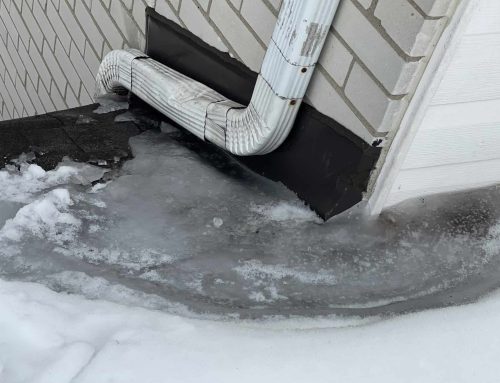
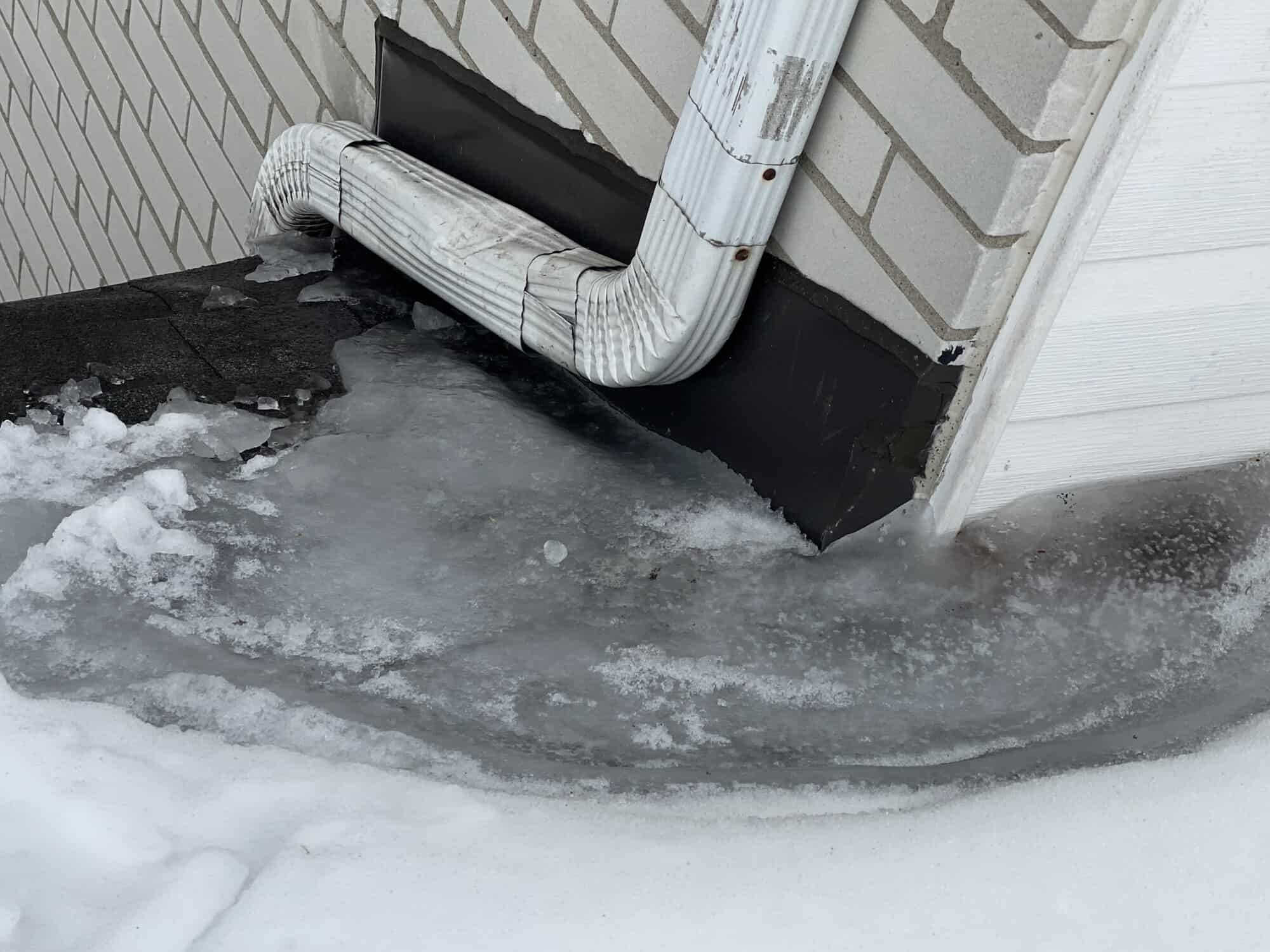
If your downspouts discharge next to the foundation, fix that first. A roof sheds an enormous volume of water during a storm, and dropping it at the base of your wall will saturate the ground faster than any drain can clear it. Extending downspouts properly is cheaper by an order of magnitude and often solves the whole problem.
If the grade slopes toward the house, regrading may be all that is needed. Soil settles over the years and the original slope often disappears.
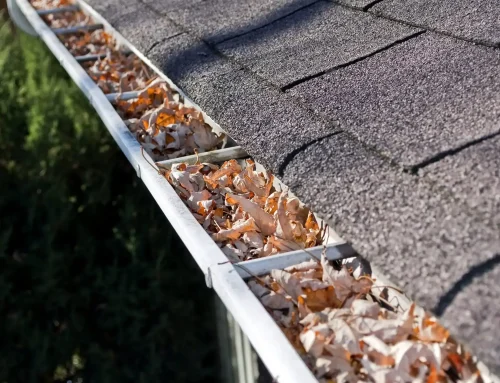
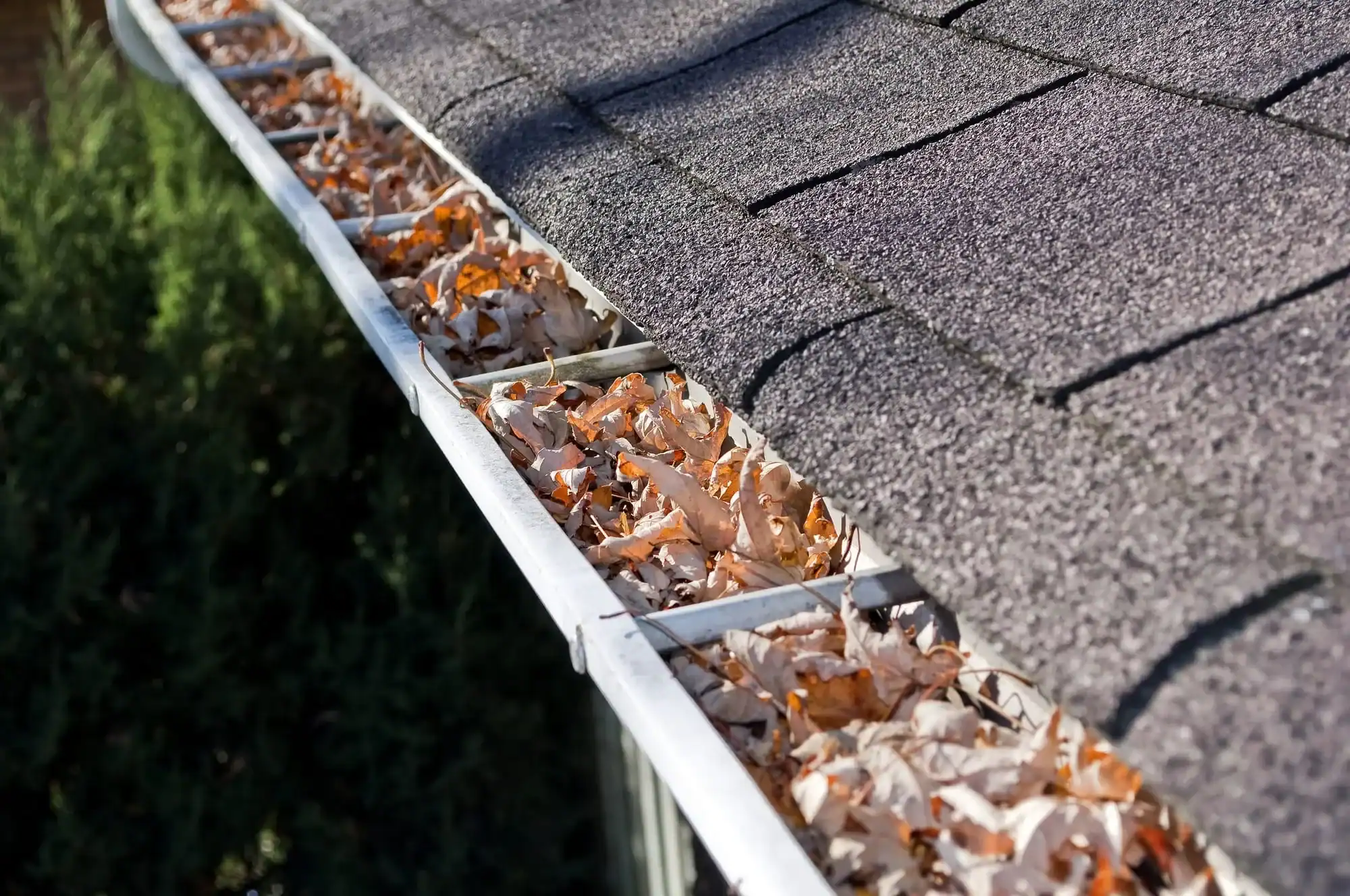
If your eavestroughs overflow, you do not have a ground water problem. You have roof water arriving in the wrong place, and no amount of trenching fixes that.
If the water is coming from inside — a failed sump, a plumbing leak, condensation — a drain outside will do nothing.
We get called about yard flooding fairly often, and a meaningful share of the time the answer is a downspout extension and a bag of topsoil rather than a trench.
French drain, weeping tile, trench drain: what is what
A French drain is the gravel trench described above, collecting water from the soil around it.
Weeping tile is the perforated pipe that runs around the footing of your foundation, below grade. It is doing a similar job but it is part of the building, installed when the house was built, and replacing it means excavating to the footing.
A trench or channel drain is the grated channel set into a driveway or patio. It collects surface water running across a hard surface rather than water in the soil.
They solve different problems and are often confused when people are quoted for work.
What goes wrong with them
Silting up. The leading cause of failure. Without correct fabric and washed stone, soil migrates in and clogs the voids.
No real outlet. A drain ending in a hole, or running to a point no lower than where it started, will fill and stay full.
Roots. Perforated pipe near mature trees attracts roots, which find the perforations and fill the pipe.
Crushing. Pipe laid under a driveway or a vehicle route without adequate cover deforms and blocks.
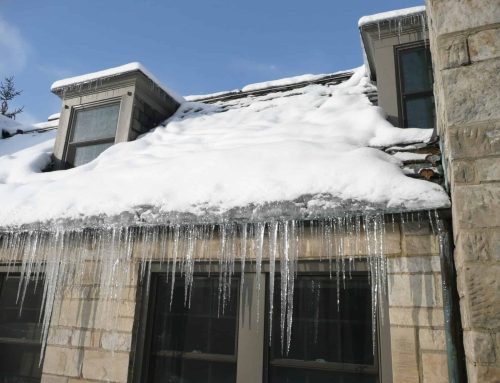
Connecting downspouts straight into it. A French drain is sized to collect groundwater slowly. Dropping a roof’s worth of storm water into it overwhelms it, and in winter that line can freeze. Roof water should generally be carried in solid pipe to a discharge point, not dumped into a collection drain.
Frequently asked questions
Do French drains freeze in winter?
A properly installed one sits below the frost line for most of its run and continues to work. The vulnerable points are the shallow ends and the outlet, which can freeze and back the system up. This is another reason the discharge point and its depth matter as much as the trench.
Can I connect my downspouts to a French drain?
Generally not directly, for the reasons above. Where roof water does need to be carried underground, it should be in solid pipe sized for storm volume, discharging well away from the house, and kept separate from a groundwater collection system.
How long does a French drain last?
Properly built, with correct fabric, clean stone and a real outlet, decades. Badly built, a few years before silting makes it useless. The variation is almost entirely down to installation rather than materials.
Do I need a permit?
It depends on the municipality, the scale of the work, and especially on where the water discharges. Connecting to municipal infrastructure is regulated across the GTA and rules differ between municipalities. Worth confirming with your local building department before work starts.
Will it fix my wet basement?
Sometimes, if the water is reaching the basement through saturated soil that the drain can intercept. It will not help if water is entering through a crack, if the weeping tile has failed, or if the real source is roof water landing at the wall. Diagnosing which it is comes before deciding.
Working out what you actually need
The useful question is not whether to install a French drain. It is where the water is coming from and why the ground cannot cope with it. Answer that and the right solution is usually obvious, and it is frequently simpler and cheaper than a trench.
Ontario Downspout Service is a licensed and insured residential drainage specialist serving Toronto and the GTA. We will tell you honestly when the answer is a French drain and when it is something far less involved.